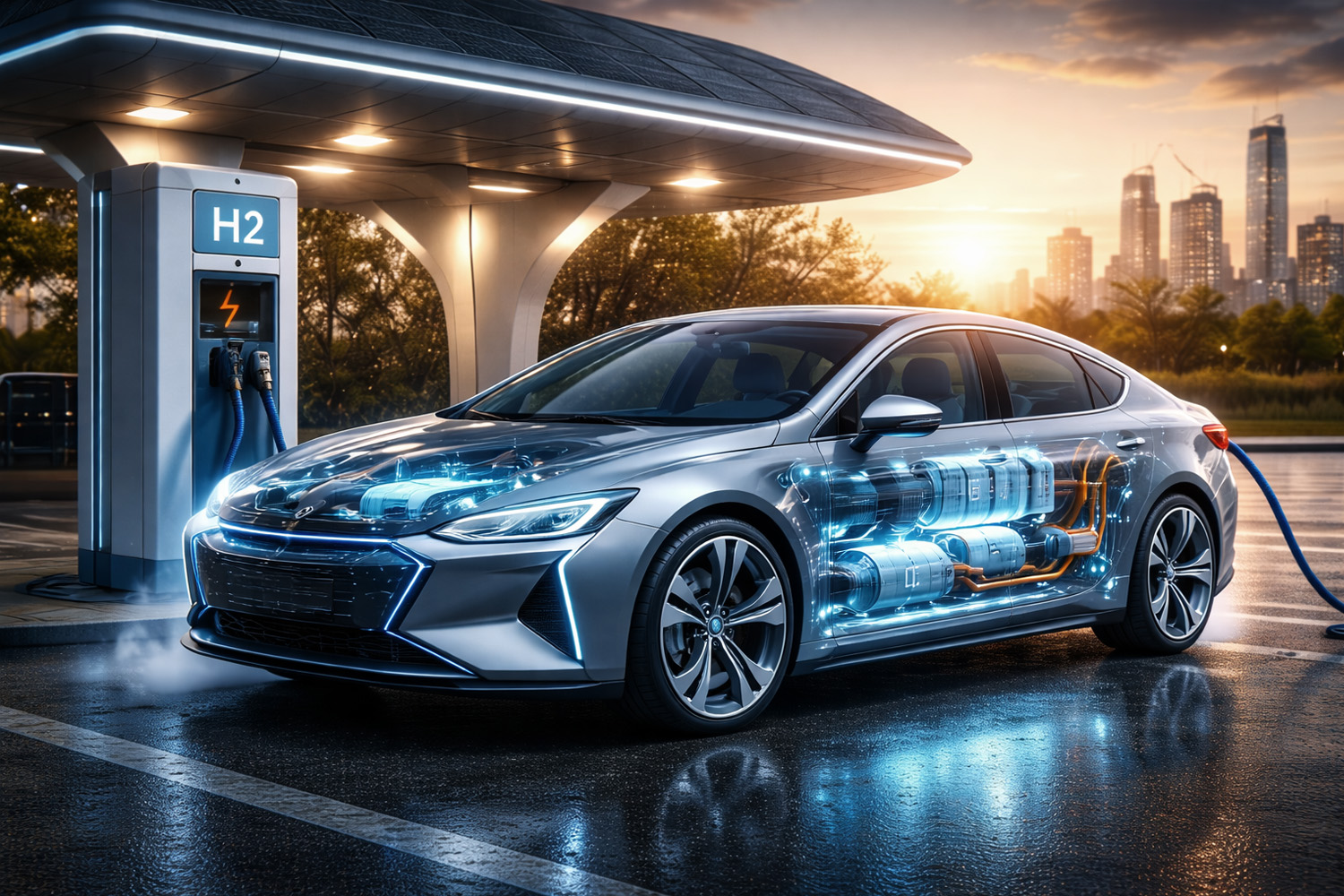
The global transportation sector is undergoing a historic transformation as governments, automakers, and energy companies search for alternatives to fossil fuels. At the center of this transition is a growing debate: battery-electric vehicles (EVs) versus hydrogen-powered transport. Both technologies promise lower emissions, but they differ sharply in infrastructure needs, efficiency, and long-term scalability.
What’s happening
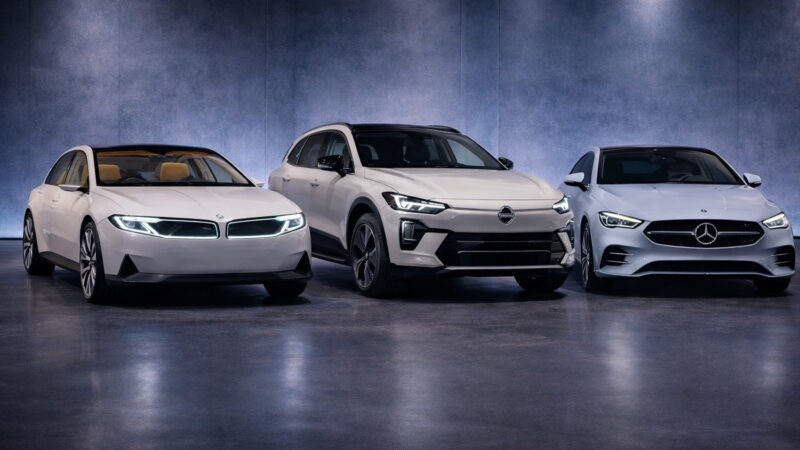
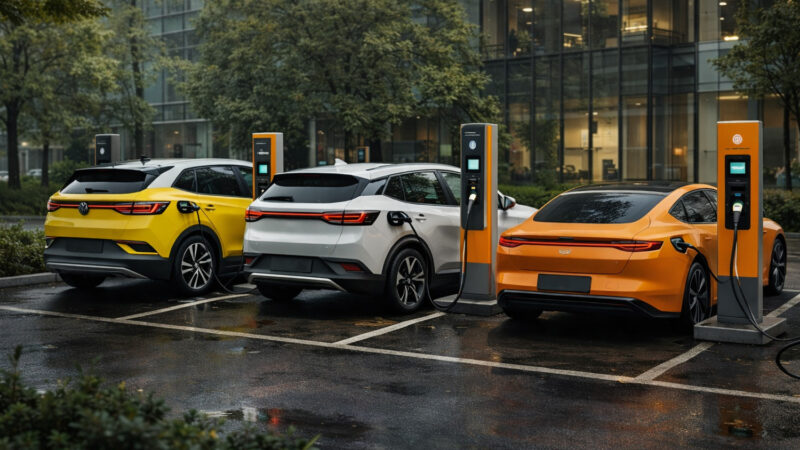
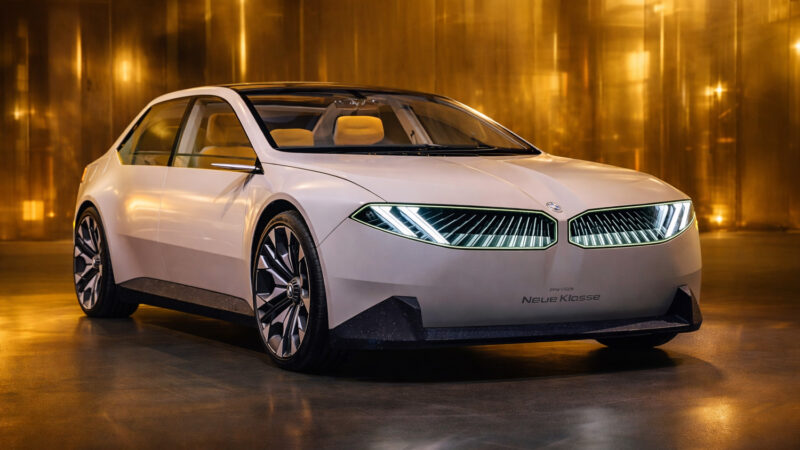
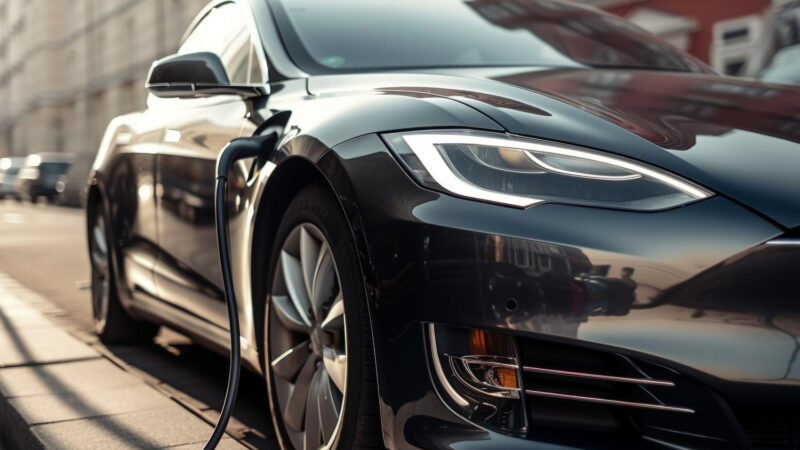
In recent years, electric vehicles have surged ahead in global adoption, supported by expanding charging networks, falling battery costs, and strong government incentives in many countries. Major automakers now offer extensive EV lineups, while some governments have announced timelines to phase out new gasoline and diesel car sales.
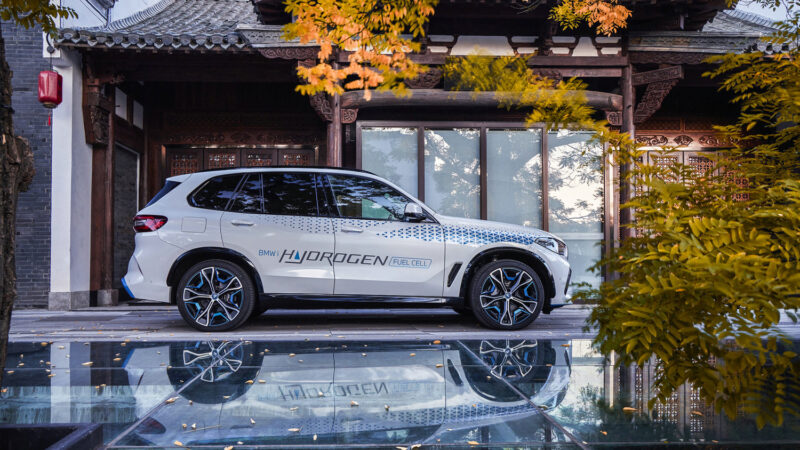
At the same time, hydrogen fuel cell vehicles (FCEVs) continue to attract attention, particularly for heavy-duty transport such as trucks, buses, ships, and potentially aviation. Hydrogen proponents argue that fuel cells offer fast refueling times and longer driving ranges, making them better suited for commercial and long-haul use where batteries face weight and charging limitations.
Why it matters
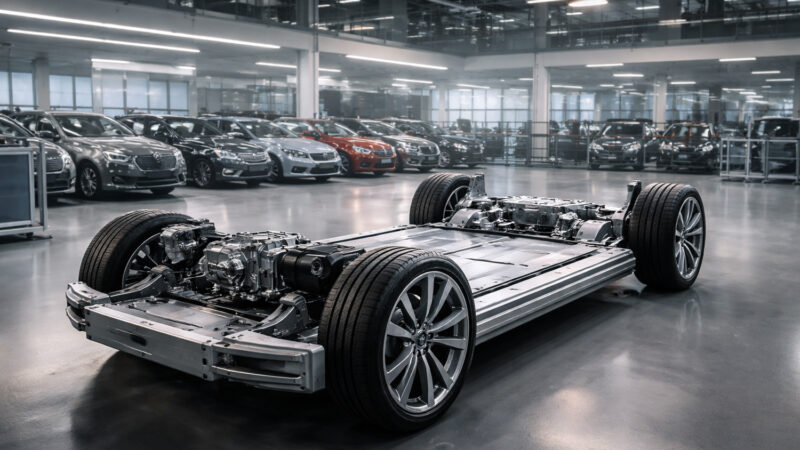
Transportation is a major contributor to global greenhouse gas emissions, making the choice of future mobility technologies a critical climate issue. Battery-electric vehicles are currently more energy-efficient, as electricity can be used directly to power motors. Hydrogen, by contrast, requires energy-intensive production, storage, and conversion processes, which can reduce overall efficiency-especially if the hydrogen is not produced from renewable sources.
However, hydrogen’s flexibility could prove valuable. It can be stored for long periods, transported across regions, and used in sectors where batteries struggle. For countries seeking energy security and alternatives to imported oil, hydrogen may offer strategic advantages despite higher costs.
Trend impact
The likely outcome is not a single winner, but a split future for transport. Electric vehicles are increasingly dominant in passenger cars and urban mobility, where charging infrastructure is practical and efficiency matters most. Hydrogen, meanwhile, may carve out a role in heavy transport, industrial logistics, and regions where electrification is difficult.
The competition between hydrogen and electric technologies is also shaping investment decisions, infrastructure planning, and industrial policy. Governments must balance short-term practicality with long-term innovation, ensuring that public funds support technologies that are both environmentally and economically sustainable.
As the race continues, the future of transport will depend less on ideology and more on real-world performance, cost, and the ability to scale clean energy solutions globally.