Lamborghini has continued to strengthen its position in the global ultra-luxury automotive segment, demonstrating resilience despite inflationary pressures, geopolitical uncertainty, and shifting trade policies. The Italian supercar maker remains one of the strongest performers in the high-end automotive market as demand for exclusive, limited-production vehicles stays robust.
In recent years, Lamborghini has reported record or near-record annual deliveries, with sales volumes consistently exceeding pre-pandemic levels. Industry data show that Lamborghini crossed the 10,000-vehicle annual delivery threshold for the first time earlier in the decade, marking a historic milestone for the brand. Since then, demand has remained elevated, supported by a strong order backlog and multi-year waiting lists for several models.
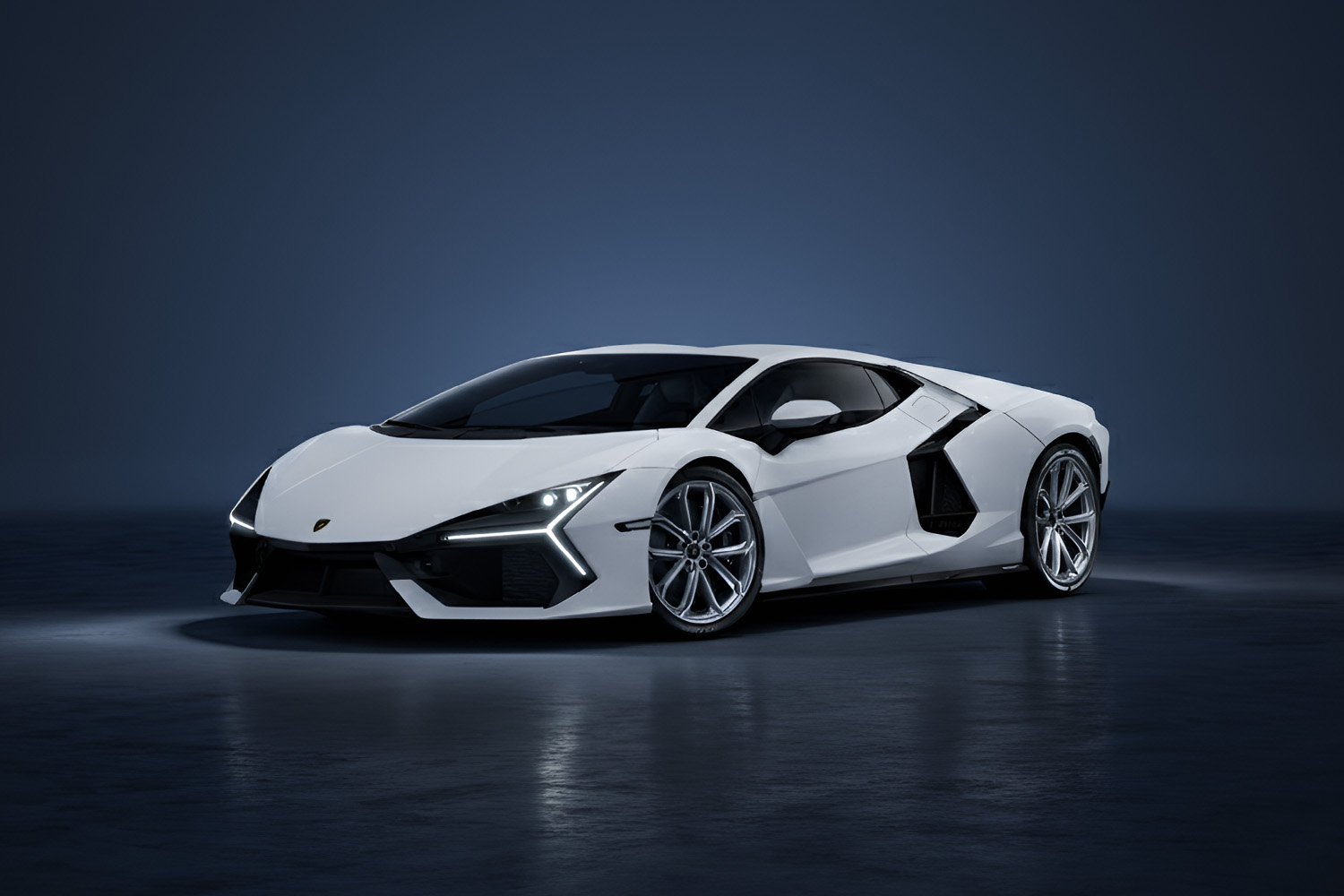
The company’s performance has been driven largely by its SUV lineup, particularly the Urus, alongside flagship supercars such as the Huracán and Revuelto. These models account for the majority of global sales, with the Americas and Asia-Pacific regions showing particularly strong growth. Europe remains a stable core market despite economic headwinds.
Unlike mass-market automakers, Lamborghini has been less affected by inflation and tariffs, as its customer base is less price-sensitive. Average transaction values have continued to rise, supported by customization programs and limited-edition models. As a result, revenue growth has outpaced unit sales growth, reinforcing profitability even in volatile market conditions.
Although the broader automotive industry has faced slowing demand since the post-pandemic rebound, Lamborghini has maintained momentum into 2025. Analysts note that the brand’s controlled production strategy, electrification roadmap, and focus on exclusivity have helped preserve long-term demand and brand value.
Overall, Lamborghini’s recent performance underscores the resilience of the ultra-luxury car segment, which continues to outperform much of the global auto market despite economic uncertainty.