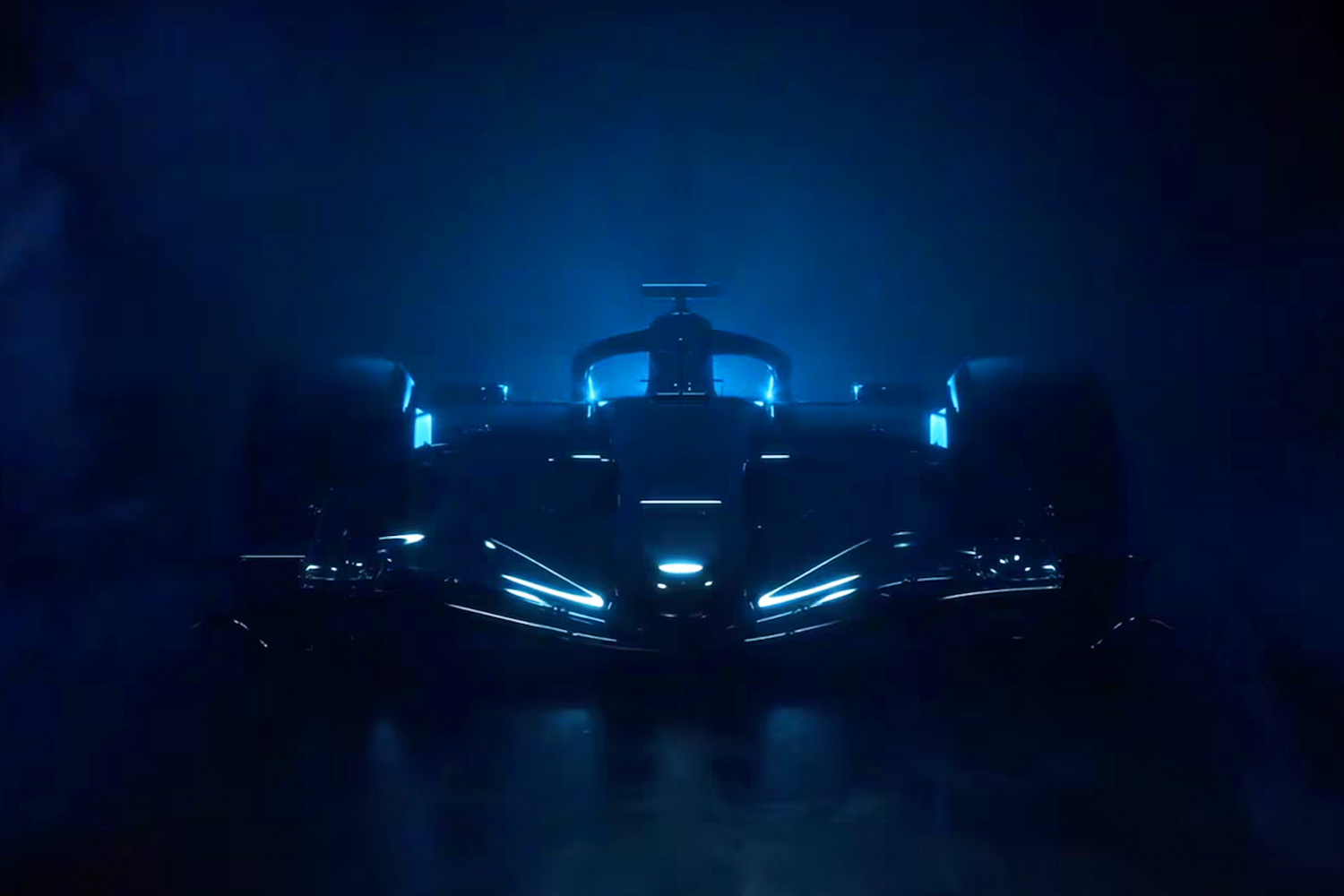
Cadillac, backed by General Motors (GM) and TWG Motorsports, has formally been approved by the FIA and Formula 1 Management to join the F1 grid as the 11th team starting with the 2026 season.
They’ve completed the necessary sporting, technical, and commercial evaluations required by the governing bodies.
Key Details & Context
- Partners & Ownership: The team is a collaboration between GM and TWG Global (TWG Motorsports).
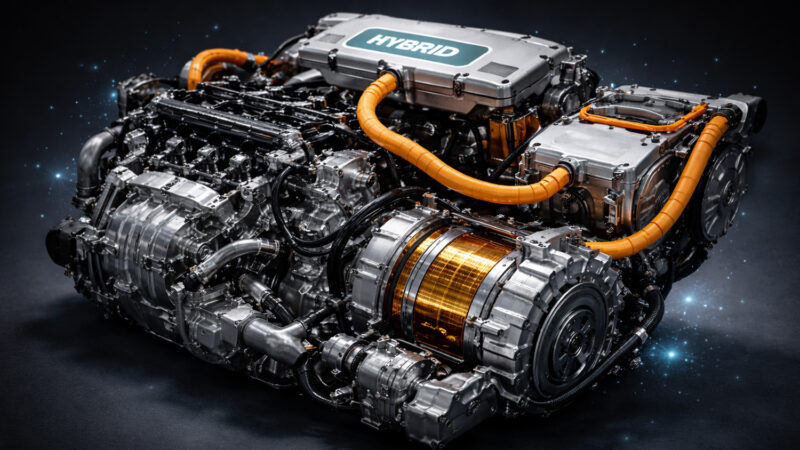
- Interim Engine Supply: For 2026, Cadillac will run as a “customer team,” using engines and gearboxes supplied by Ferrari. They plan to develop their own power units by 2028.
Leadership & Infrastructure:
- Graham Lowdon has been named the Team Principal.
- Russ O’Blenes will head up the power units programme under GM’s oversight.
- Facilities are planned in several locations: Silverstone (UK), alongside operations in the US (Indiana, Michigan, North Carolina) for various engineering, chassis, aerodynamics and simulation teams.
Why This Matters
- Grid Expansion: This is the first time since Haas (2016) that a completely new team enters F1 (i.e., not a takeover) – raising the grid from 10 to 11 teams.
- Alignment with New Regulations: The timing is significant – F1 is entering a new regulatory era in 2026 (new power unit rules, technical changes) and Cadillac’s entry aligns with that shift.
- US Influence & Market Interest: Cadillac/GM’s entry increases American involvement in F1, feeding into F1’s growing popularity in the US and potential for greater commercial sponsorship and audience engagement.
- Technology Development: Building their own power units (by 2028) means more R&D, more engineering jobs, and possibly competition in powertrain supply in the future.
What to Watch
- Which drivers Cadillac will sign. There’s speculation about American talent, but nothing confirmed yet.
- How quickly their car (chassis + aerodynamics) and powertrain efforts will catch up. New teams tend to have steep learning curves.
- Their performance in the first few races of 2026 will be under scrutiny (reliability, pace) as they’ll be starting from zero compared to more established teams.
- How other teams react commercially, sponsorship-wise, and whether this moves F1 further toward more manufacturers building own power units.