As 2026 gets underway, consumer spending and retail behavior continue to shift in response to economic pressures, changing preferences and new shopping technologies. While spending hasn’t collapsed worldwide, patterns reflect a more selective and value-oriented shopper. Below is the latest snapshot of what consumers are buying less of, how premium and budget trends are evolving, and how online vs. physical stores are performing in the current retail landscape.
What People Are Buying Less Of
Recent consumer research indicates that many shoppers are tightening their belts and rethinking discretionary purchases:
- A broad survey of U.S. holiday spending in 2025 found that consumers planned to cut back by around 5 % compared with the previous year, the largest decline in several years, signaling more cautious discretionary spending.
- Many consumers are reducing spending on non-essential services and experiences. For example, a significant portion of younger shoppers say they intend to cut back on dine-outs, clothes purchases and alcohol, opting instead for basic needs or cost-efficient alternatives.
- Broader sentiment surveys have shown that a substantial share of consumers feel economic pressure and are focusing on value and essentials rather than lifestyle or trend-driven spending.
In practice, this means less frequent purchases of large or non-essential items, especially when prices are high or economic uncertainty looms.
Premium vs Budget Trends
Consumer spending behavior in early 2026 reflects an interesting duality: price sensitivity alongside selective splurging.
- Many shoppers are trading down on everyday items – choosing private-label or lower-cost alternatives that offer similar function at reduced prices. In global surveys, a large percentage of consumers say they value affordability and value for money, with some willing to shift away from familiar brands to cheaper options.
- At the same time, premium spending hasn’t disappeared entirely. Certain categories like wellness, experiences (such as travel and live events), and personal care remain resilient even as overall budgets tighten. Some consumers prioritize these areas over routine purchases, reflecting a “smart splurge” mindset where they limit quantity but not quality.
- In luxury retail, there has been a notable trend toward discounting and outlet offers, as brands respond to price-sensitive customers after years of inflation-driven price increases. This has resulted in higher discount levels and softer luxury margins, with many shoppers using promotions and outlet stores to access premium goods.
Overall, spending behavior in early 2026 is more deliberate: basic necessities and value options hold priority, but consumers are still allocating money selectively to categories they perceive as valuable or uplifting.
E-Commerce vs Physical Stores: Who’s Winning?
The balance between online and in-store shopping continues to evolve but remains far from simple.
E-Commerce Growth
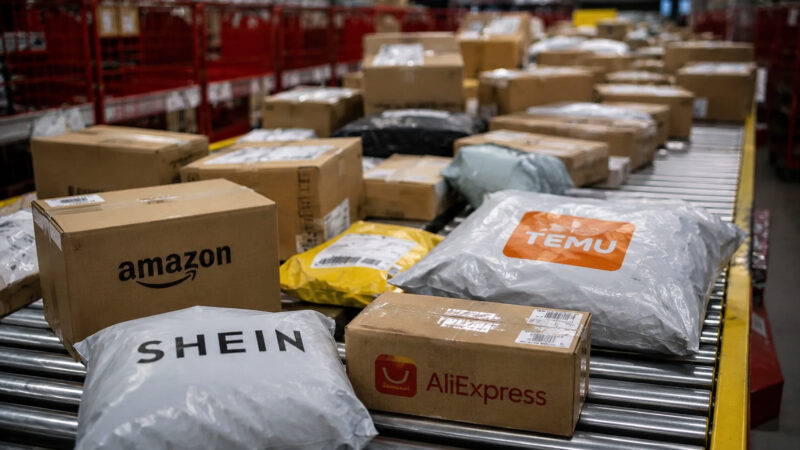
- E-commerce remains an important force, accounting for roughly 20.5 % of global retail sales in 2025, with projections for further growth in the coming years as digital strategies and online shopping tools improve.
- Consumers increasingly use AI recommendations, mobile shopping-or social commerce-to discover and buy products, and many retailers are adopting technologies like click-and-collect (buy online, pick up in store) and seamless returns to integrate digital and physical channels.
Physical Retail Still Matters
- Despite ongoing growth in e-commerce, a sizeable majority of retail transactions still occur in brick-and-mortar stores, especially for products where customers want a tactile experience or expert advice.
- Data shows that while consumers visit physical stores frequently, their average in-store basket value tends to be lower than online – indicating a cautious approach where shoppers may browse or make smaller purchases in person, but spend more per transaction online.
Many industry experts describe the evolving landscape not as “e-commerce vs. physical,” but a hybrid model where omnichannel experiences – digital discovery plus physical fulfillment – become the norm in 2026.
Broader Consumer Trends Shaping 2026 Spending
Several overarching trends are influencing retail dynamics this year:
- Consumers continue to value experiences over goods in some categories, with travel, events and social activities drawing spending even amid tighter budgets.
- Sustainability and ethical concerns are shaping purchase decisions, with many buyers willing to pay more for brands that align with environmental values.
- Retailers are adopting AI-powered tools to personalize shopping and streamline fulfillment, reducing friction for both in-store and online customers.
Conclusion
As 2026 begins, consumer spending reflects a blend of caution and creativity. While people buy less on non-essentials and are more price-conscious, they are largely not abandoning quality or the retail experience altogether. Instead, shoppers are finding ways to balance budgets with meaningful purchases – opting for value brands, strategic splurges, and integrated digital-physical shopping journeys.
This nuanced behavior is shaping how retailers plan inventory, marketing and customer engagement this year, and underscores a broader trend toward deliberate, experience-focused spending in the post-pandemic economy.