On November 28, 2025, CME Group – the world’s largest derivatives exchange operator – suffered a major disruption when a cooling-system failure at a data centre operated by CyrusOne forced trading across global futures and options markets to halt for over 11 hours.
What Happened
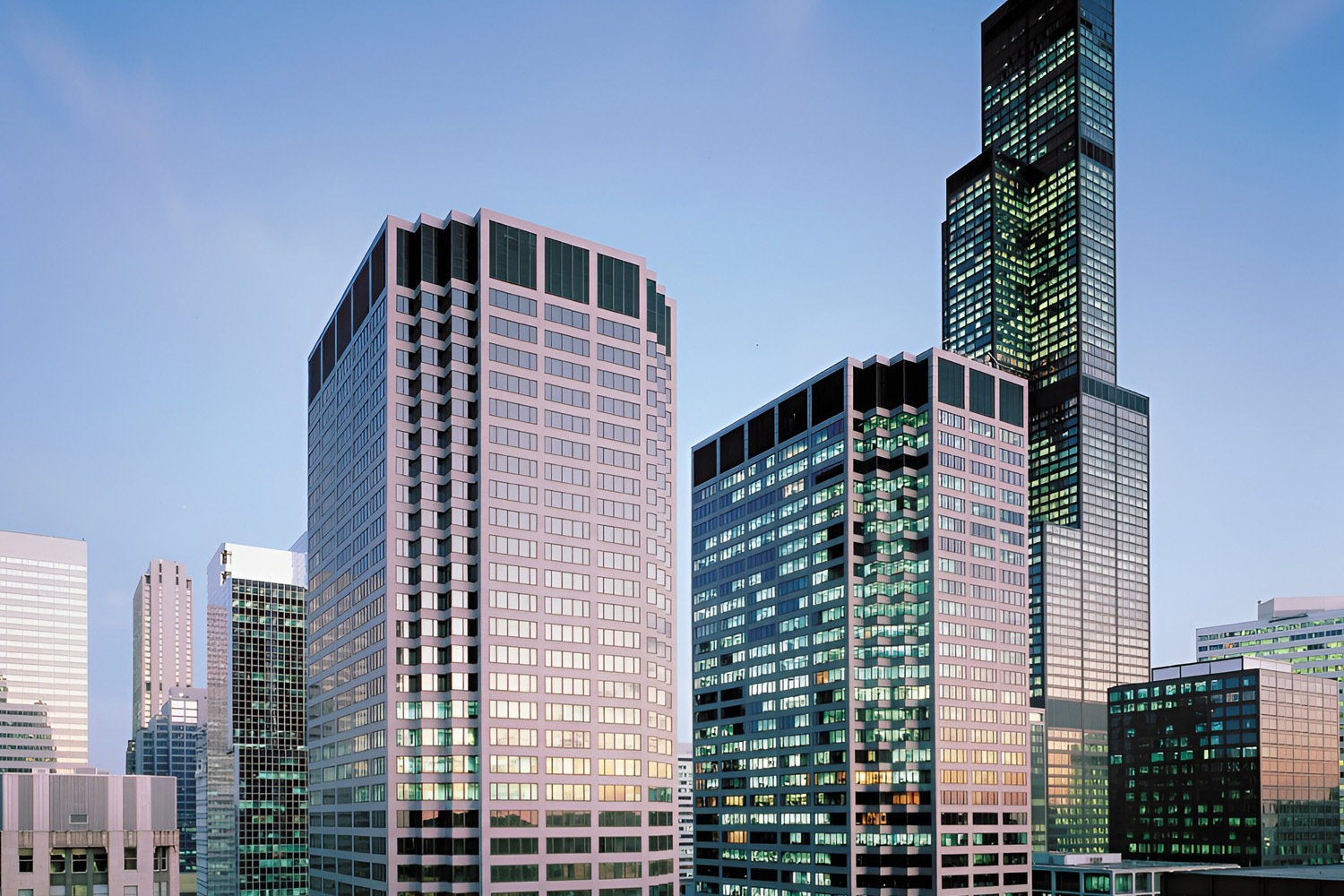
- The malfunction occurred at the Chicago-area CyrusOne data centre that supports CME’s electronic trading platform, Globex. According to CyrusOne, a chiller-plant failure caused multiple cooling units to go offline.
- As a result, trading on key markets – including futures and options for stock indexes, commodities, currencies, interest rates, and energy – stopped entirely. Price feeds for benchmarks such as crude oil, gold, U.S. Treasury futures, and major equity-index futures froze.
- The exchange issued a statement noting that the outage affected most of its markets. Trading gradually resumed as temporary cooling was restored, with full reopening reported later in the day.
Global Market Impact
The outage disrupted trading across continents, affecting markets from the U.S. to Asia and Europe. Futures for energy (WTI crude, natural gas), metals (gold, silver), commodities, equities, currencies, and interest-rate products all froze – creating a liquidity vacuum and making real-time price discovery impossible.
Many brokerage firms described the incident as a “nightmare scenario,” with some forced to rely on internal quotes when official pricing was unavailable.
The outage came at a sensitive time – around the end of the month, when many portfolios are rebalanced. Combined with already thin trading volumes due to the U.S. Thanksgiving holiday, the disruption has raised concerns over potential volatility as markets reopen.
What the Outage Reveals About Market Infrastructure
- Single-point failure risk: The event underlines how reliant global markets are on a few data centres – a cooling fault at one facility frozen a large portion of global futures trading.
- Vulnerability beyond cyber threats: This was not a hack or cyberattack – it was a physical infrastructure failure. It shows that even as cybersecurity improves, more conventional failures (power, cooling, environment control) remain a significant risk.
- Need for redundancy and contingency planning: Many traders and analysts are now calling for better backup systems, redundant data-centres, and improved risk-management plans to avoid similar future disruptions.
What Happened Afterwards
By late Friday, CME had restored functionality across its platforms. Trade resumed, and most contracts began to update prices again. Still, all “day” and “GFS” (good-for-session) orders from the outage period were canceled as a precaution.
Market participants and regulators are now evaluating the causes and preparing for possible structural reforms to reduce reliance on single-point infrastructures.
The outage at CME reminds the global financial community that despite advances in technology and trading automation, markets remain vulnerable to traditional infrastructure risks. It underscores the urgency of resilient architecture and redundancy – crucial safeguards for stability in a highly interconnected financial system.