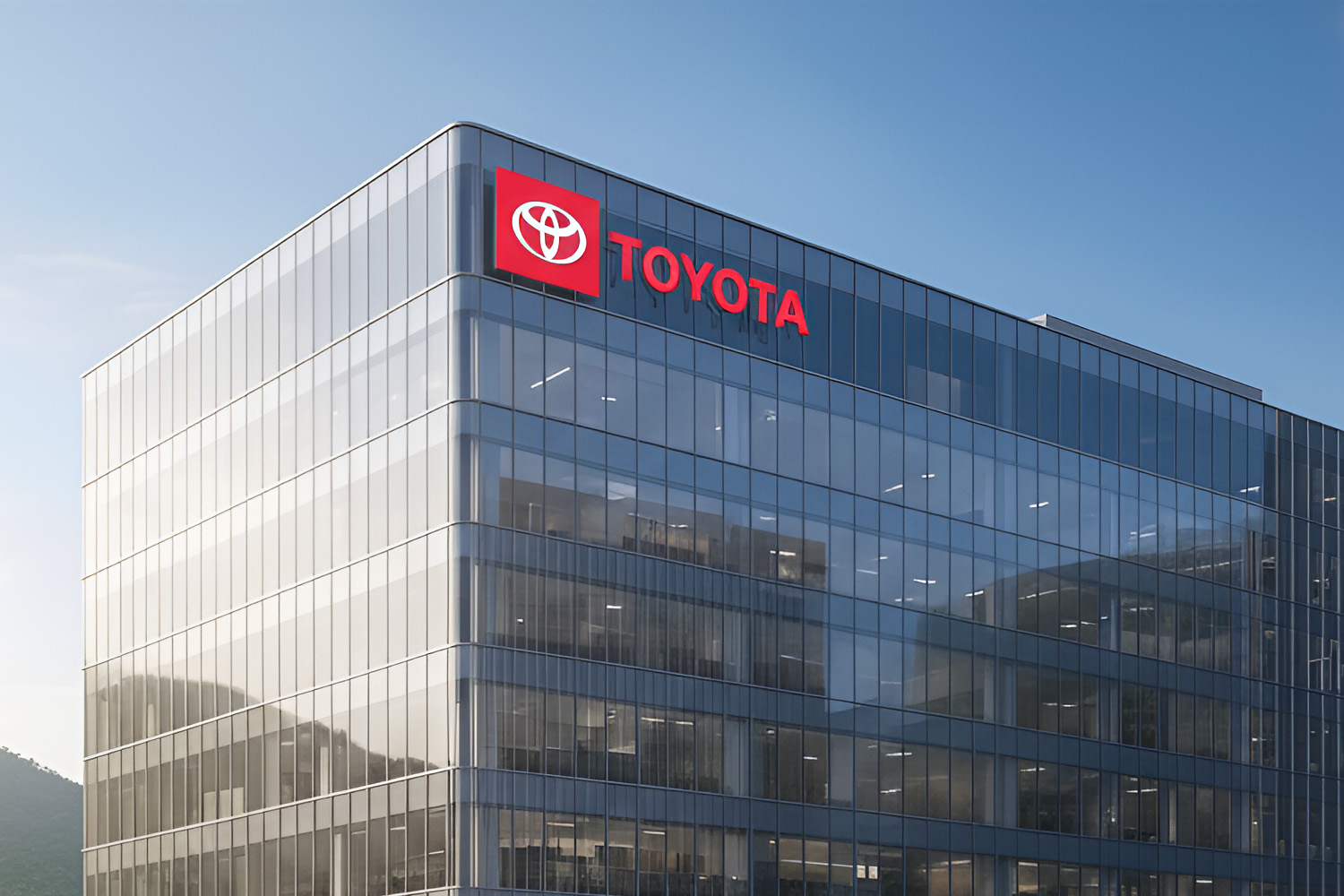
Japanese automaker Toyota Motor Corporation announced on November 12, 2025 that it will invest up to US $10 billion in its U.S. manufacturing operations over the next five years.
Key details
- The investment supports mobility and electrification efforts and builds upon Toyota’s recent launch of its battery facility in Liberty, North Carolina – officially a $13.9 billion project and Toyota’s first battery-manufacturing site outside Japan.
- The North Carolina facility spans 1,850 acres, will eventually house 14 battery production lines with an annual capacity of 30 GWh, and is projected to create up to 5,100 new jobs.
- Toyota noted that the new $10 billion commitment brings its total U.S. investment to nearly US $60 billion since beginning American operations nearly 70 years ago.
Why it matters
- The decision highlights Toyota’s strategy to localize battery and EV-component production in the U.S., responding to rising global demand for electrified vehicles and potential trade or supply-chain disruptions.
- The North Carolina plant strengthens the state’s role in the automotive supply chain and adds high-tech manufacturing jobs and infrastructure.
- For Toyota, the U.S. investment signal also reinforces its “multi-pathway” electrification approach – combining hybrids, plug-in hybrids and full battery-electric vehicles – and aligns with evolving regulatory and market conditions in North America.
What’s next
- The company will continue ramping up production at the Liberty facility; full operations with all production lines are expected by 2030.
- Suppliers and regional partners in North Carolina and nearby states may benefit from expansion announcements, as Toyota builds out its domestic battery ecosystem.
- The broader U.S. automotive sector may see increased competition and investment momentum in battery manufacturing, EV-related infrastructure and workforce development.