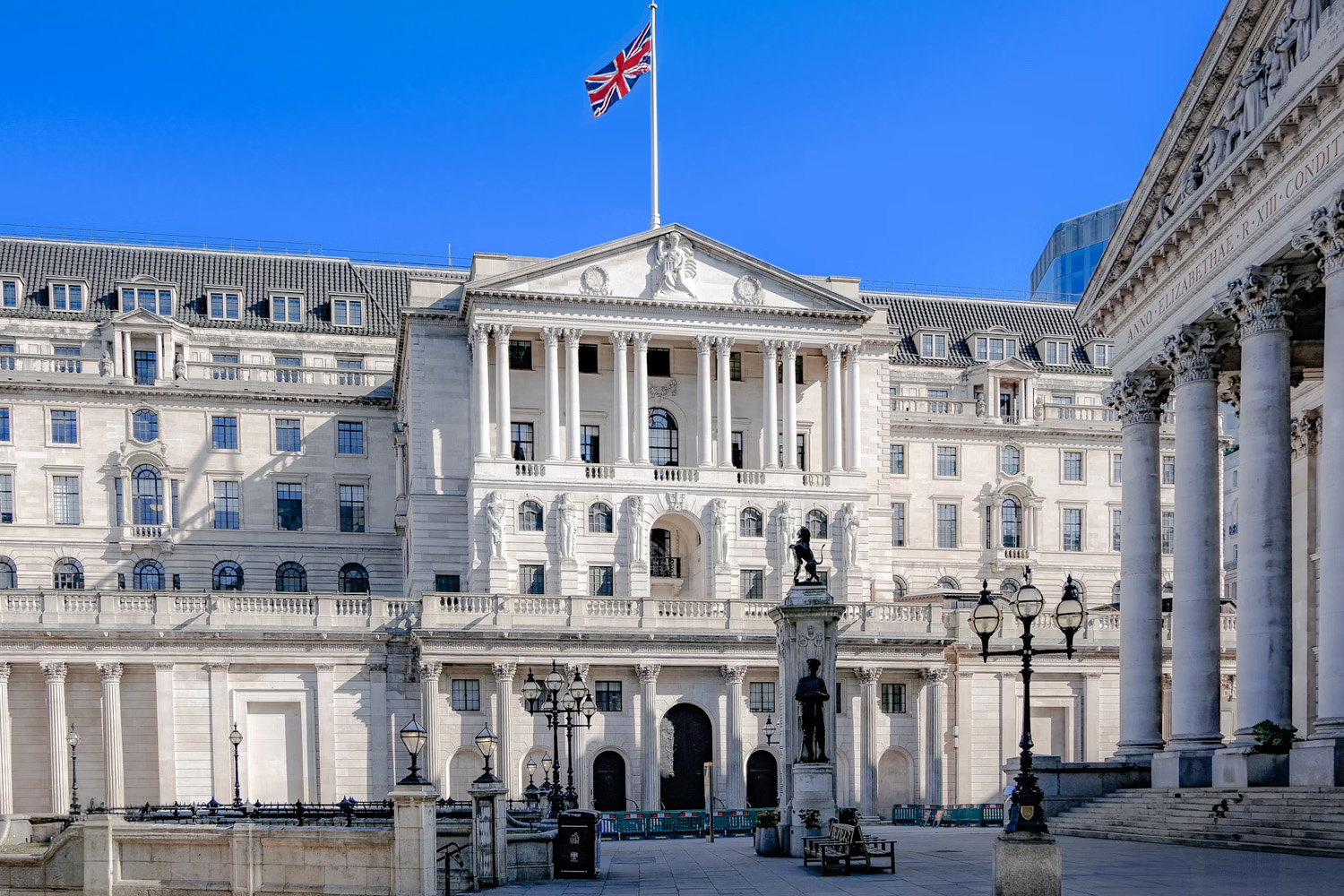
On 10 November 2025, the Bank of England (BoE) published a consultation paper outlining a new regulatory regime for “sterling-denominated systemic stablecoins.” Under the proposals, issuers of stablecoins deemed systemically important would be allowed to hold up to 60% of their backing assets in short-term UK government debt securities (“gilts”), while the remaining 40% must be held in unremunerated deposits at the Bank of England.
Previously, the BoE had proposed that backing assets be held entirely at the Bank of England, but industry feedback prompted the revised approach.
Key Elements of the Proposal
- The new framework applies to stablecoins that are recognised by HM Treasury as “systemic” (i.e., widely used for retail or wholesale payments) and thus subject to joint regulation by the BoE (prudential/financial-stability risks) and the Financial Conduct Authority (consumer protection and conduct).
- For issuers entering the regime from the FCA’s non-systemic framework, a transitional “step-up” regime would permit up to 95% backing assets in government debt securities initially, reducing to 60% once the issuer reaches scale.
- The BoE also proposes temporary holding limits for individuals and businesses: up to £20,000 per person and £10 million per business in a given coin, while the system transitions.
- The consultation is open until 10 February 2026, and final Codes of Practice are expected to follow later in 2026.
Why This Change Matters
- The shift to allow significant government-debt backing improves the commercial viability of stablecoins in the UK by enabling issuers to invest a portion of reserves in yield-bearing assets rather than zero-interest deposits at the central bank.
- It signals a more innovation-friendly stance from the BoE, aligning the UK’s stablecoin policy more closely with global trends while retaining safeguards for financial stability.
- By formally recognising stablecoins as part of the UK payments ecosystem, the proposal may pave the way for more competition, faster payments and modernisation of retail and wholesale payment infrastructure.
- The requirement of backing assets that are high-quality, liquid and UK-domiciled reflects the BoE’s view that trust in stablecoins must match that of bank deposits – especially when used at scale.
Risks & Limitations
- Although the backing rule is eased to 60% gilts, the remaining 40% must stay in non-yielding deposits at the BoE, placing a cost burden on issuers.
- Critics argue that borrowing short-term government debt still poses liquidity risk if large redemptions occur and the secondary market for gilts is thin.
- The holding limits for individuals/businesses, while temporary, may deter adoption and scale of UK-based stablecoins compared to more permissive regimes elsewhere.
- The rules apply only to “systemic” sterling-denominated stablecoins; many stablecoins used for trading or non-payment purposes will remain under FCA solo-regulation and might not benefit from the BoE’s framework.
What to Watch Next
- Responses to the consultation and any adjustments prior to finalisation in late 2026.
- The designation of specific stablecoin issuers as “systemic” by HM Treasury and how the rule applies to large global issuers.
- Whether the BoE introduces liquidity-backstop facilities (lender of last resort) for stablecoin issuers, as signalled in the proposals.
- How the UK’s regulatory regime will compare with the US, EU and other major jurisdictions – particularly in market competitiveness and innovation.
In summary: the Bank of England’s 2025 proposals mark a major evolution in UK stablecoin regulation, allowing up to 60% backing in government debt and setting clear pathways into the framework. They balance innovation and market viability with prudence and stability – but final implementation and competitive impact will depend on upcoming regulatory decisions and industry response.