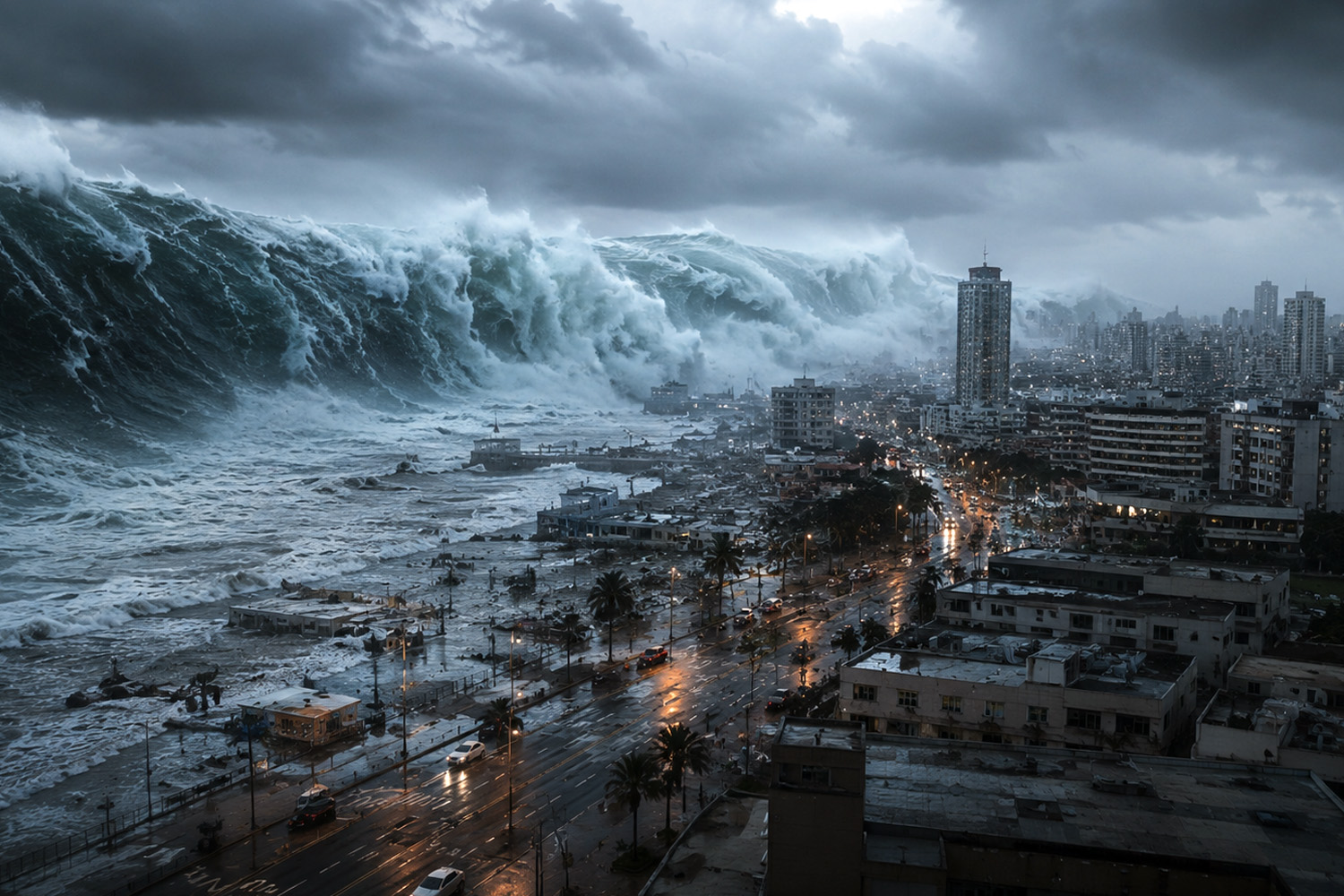
For decades, apocalyptic films have remained one of entertainment’s most resilient genres. Whether depicting viral pandemics, climate disasters, artificial intelligence uprisings, nuclear conflict, or extraterrestrial invasions, stories about the collapse of civilization consistently attract global audiences. While technology, filmmaking techniques, and cultural concerns evolve, one constant remains: viewers continue returning to narratives that imagine the end of the world.
At first glance, this may seem paradoxical. In an era already filled with political uncertainty, economic volatility, environmental anxiety, and nonstop news cycles, audiences might be expected to seek lighter forms of entertainment. Instead, apocalyptic content often thrives during precisely these periods.
This enduring popularity reveals something important about both modern audiences and the entertainment industry. Apocalyptic stories are no longer simply disaster spectacles-they have become psychological explorations, cultural reflections, and commercially valuable intellectual properties that satisfy emotional, social, and strategic demands across multiple media platforms.
The Evolution of the Modern Apocalypse
The earliest disaster films largely focused on spectacle. Giant earthquakes, asteroid impacts, or nuclear war served primarily as vehicles for visual effects and large-scale destruction. Character development often took a back seat to cinematic scale.
Over the past two decades, however, the genre has evolved significantly.
Modern apocalyptic storytelling increasingly emphasizes ordinary individuals navigating extraordinary circumstances. Rather than asking, “How does the world end?” contemporary films explore more nuanced questions:
- How do people adapt when institutions fail?
- What happens to morality under extreme pressure?
- Which relationships survive societal collapse?
- What defines humanity when civilization disappears?
The apocalypse itself frequently functions as a narrative backdrop rather than the central attraction.
This shift reflects broader changes in audience expectations. Viewers increasingly value emotionally grounded storytelling, even within high-concept genres. Spectacle alone rarely guarantees sustained interest, particularly as audiences have become accustomed to sophisticated visual effects.
Instead, emotional realism has become the defining feature of successful apocalypse narratives.
Why Fear Can Become Entertainment
One of the most fascinating aspects of apocalyptic cinema is the psychological contradiction at its core.
People voluntarily consume stories built around fear, uncertainty, and catastrophe-not because they enjoy suffering, but because fictional danger creates a controlled emotional environment.
Psychologists often describe this as a form of “safe threat.” Audiences experience anxiety while knowing they remain physically secure. This allows viewers to confront fears without facing real-world consequences.
Apocalyptic films also provide something many real crises cannot: narrative structure.
Real disasters are often confusing, prolonged, and unpredictable. Fictional catastrophes typically offer clear causes, identifiable threats, heroes, conflicts, and resolutions.
This narrative clarity can feel emotionally satisfying, even when the stories themselves are bleak.
In many cases, audiences are not seeking destruction-they are seeking meaning within uncertainty.
Reflecting Contemporary Cultural Anxiety
Every generation imagines its own version of the apocalypse.
During the Cold War, nuclear annihilation dominated disaster cinema.
Following the rise of biotechnology, pandemics became increasingly common.
As climate change entered mainstream political discussion, environmental collapse emerged as a recurring cinematic theme.
More recently, advances in artificial intelligence have inspired stories about autonomous systems, digital control, and technological displacement.
These shifts demonstrate that apocalyptic films rarely predict the future. Instead, they translate current societal concerns into fictional narratives.
The monsters change because collective fears change.
Entertainment industries closely monitor these evolving anxieties. Successful studios rarely invent audience concerns-they amplify ones that already exist.
This responsiveness allows apocalyptic films to remain culturally relevant despite changing historical contexts.
Streaming Has Reinvented the Genre
Streaming platforms have fundamentally transformed how apocalypse stories are produced and consumed.
Traditional theatrical releases typically favored large-budget disaster spectacles designed to maximize box office revenue over a short release window.
Streaming services operate under different incentives.
Platforms benefit from content that encourages prolonged engagement, binge viewing, and subscriber retention. Apocalyptic settings are particularly well suited to serialized storytelling because they naturally generate ongoing conflict, evolving societies, and long-term character arcs.
Instead of resolving disaster within two hours, streaming series can examine years-or decades-after civilization collapses.
This format allows creators to explore political systems, social reconstruction, resource scarcity, and evolving communities in greater depth.
As a result, audiences become invested not merely in survival but in the rebuilding of civilization itself.
The shift from event-based films to long-form storytelling has expanded the genre beyond action into drama, political commentary, science fiction, horror, and even family narratives.
The Economics of Catastrophe
From an industry perspective, apocalyptic stories offer unusually flexible business opportunities.
Unlike franchises tied to specific historical periods or geographic locations, end-of-the-world settings can support diverse narratives across multiple countries and cultures.
A single concept can generate:
- Films
- Television series
- Video games
- Graphic novels
- Interactive experiences
- Merchandise
- Expanded fictional universes
The visual appeal of ruined cities, abandoned infrastructure, and transformed landscapes also translates well across international markets, where dialogue may matter less than universally recognizable imagery.
Studios increasingly seek intellectual property that supports long-term ecosystem development rather than one-time ticket sales.
Apocalyptic worlds naturally lend themselves to sequels, prequels, spin-offs, and anthology formats because countless survival stories can emerge from the same fictional catastrophe.
From a financial perspective, the genre offers significant scalability.
Audience Participation Extends Beyond Viewing
Modern audiences rarely stop engaging with entertainment after the credits roll.
Apocalyptic stories generate unusually active online communities.
Fans debate survival strategies, speculate about fictional timelines, analyze scientific plausibility, create fan art, and imagine alternative outcomes.
This participatory culture extends the lifespan of entertainment properties.
Social media platforms amplify discussion by rewarding emotionally charged content, moral dilemmas, and speculative questions.
“Would you survive?”
“What would society actually look like?”
“Who made the right decision?”
These conversations transform passive viewing into active engagement.
Streaming platforms increasingly recognize that audience discussion itself becomes part of a title’s value proposition.
High engagement generates algorithmic visibility, attracting additional viewers through recommendations and social sharing.
Escapism Through Collapse
Although apocalyptic films appear pessimistic, they often contain surprisingly optimistic themes.
Many narratives strip away modern complexity.
Careers disappear.
Social status becomes irrelevant.
Consumer culture collapses.
Technology becomes unreliable.
Survival depends on cooperation, practical skills, trust, and resilience.
For many viewers living in highly structured, digitally connected societies, these simplified environments can hold unexpected appeal.
This does not mean audiences desire societal collapse.
Rather, they may be drawn to stories that remove everyday pressures and reduce life to fundamental human priorities.
These narratives explore questions people rarely ask during ordinary routines:
What truly matters?
Who would we become without modern systems?
Which relationships would endure?
In this sense, apocalypse stories often function as philosophical thought experiments rather than pure disaster entertainment.
Global Appeal in an Interconnected World
Apocalyptic storytelling has become increasingly international.
Streaming platforms distribute content across dozens of countries simultaneously, exposing audiences to disaster narratives produced outside Hollywood.
Different regions bring unique cultural perspectives.
Some emphasize community survival.
Others focus on government response, family relationships, technological risks, or historical trauma.
Despite these differences, the central themes remain remarkably universal.
Fear, hope, resilience, sacrifice, and adaptation resonate across cultures because they reflect fundamental aspects of the human experience.
This universality makes apocalyptic narratives particularly valuable for global streaming services seeking content with cross-border appeal.
Technology Is Raising Audience Expectations
Advances in visual effects have dramatically increased realism.
Destroyed cities, collapsing infrastructure, digital environments, and large-scale disasters now appear more convincing than ever.
Ironically, however, technological improvements have made audiences more demanding.
Visual spectacle alone is no longer sufficient.
Viewers increasingly expect believable characters, emotionally authentic performances, scientifically coherent premises, and sophisticated world-building.
The entertainment industry has responded by investing more heavily in writing, production design, and long-form narrative development rather than relying exclusively on visual effects.
The most successful recent apocalypse stories combine cinematic scale with intimate emotional storytelling.
This balance has become the genre’s defining competitive advantage.
What Comes Next?
The future of apocalyptic entertainment will likely become even more psychologically complex.
Rather than depicting sudden extinction events, future stories may increasingly focus on gradual societal transformation.
Artificial intelligence, climate adaptation, demographic shifts, biotechnology, cybersecurity, and digital identity offer fertile ground for new forms of speculative storytelling.
Interactive entertainment may also play a larger role.
Video games, immersive experiences, and personalized narratives allow audiences not only to witness societal collapse but to participate in rebuilding fictional worlds.
Meanwhile, advances in generative media and virtual production may lower production costs, enabling a broader range of creators to explore ambitious post-apocalyptic settings.
As distribution becomes increasingly global, audiences will also encounter more culturally diverse visions of survival, moving beyond familiar Western disaster narratives.
Conclusion
Apocalyptic films continue to resonate because they satisfy multiple needs simultaneously. They provide thrilling entertainment while offering emotional frameworks for understanding uncertainty, change, and resilience. Rather than simply portraying catastrophe, they explore how individuals and societies respond when familiar structures disappear.
For the entertainment industry, these stories represent commercially adaptable intellectual property capable of supporting theatrical releases, streaming series, interactive media, and global franchises. Their flexibility aligns well with evolving business models that prioritize long-term audience engagement over one-time consumption.
For viewers, the appeal runs deeper than spectacular destruction. Apocalyptic narratives create a space to confront collective fears, test ethical boundaries, and imagine alternative futures from the safety of fiction. As real-world technological, environmental, and geopolitical changes continue to reshape public consciousness, the genre is likely to remain not just relevant, but increasingly significant.
The enduring success of apocalyptic films ultimately reflects a simple truth about storytelling: audiences are not merely fascinated by the end of the world-they are deeply interested in what remains, who survives, and what kind of society might emerge afterward.