The Escalation of Streaming Budgets
Over the past decade, the rise of streaming platforms has fundamentally reshaped the economics of television production. Companies such as Netflix, Amazon, and HBO have aggressively invested in original content to secure global audiences. This competition-often referred to as the “streaming wars”-has led to unprecedented production budgets, rivaling and in some cases exceeding those of major Hollywood films.
The shift toward high-budget series reflects a strategic calculation: premium, cinematic television can attract subscribers, retain audiences, and strengthen brand identity. However, these investments also raise questions about sustainability, return on investment, and long-term industry implications.
The Most Expensive Streaming Series: Verified Examples
Several productions stand out as the most expensive television series ever made, based on publicly reported and verified figures.
The Lord of the Rings: The Rings of Power
Widely regarded as the most expensive series in history, this Amazon Prime Video production reportedly cost approximately $465 million for its first season alone. The overall commitment, including multiple seasons and rights acquisition, is estimated to exceed $1 billion.
Key cost drivers include:
- Rights acquisition from the Tolkien estate
- Extensive visual effects and CGI
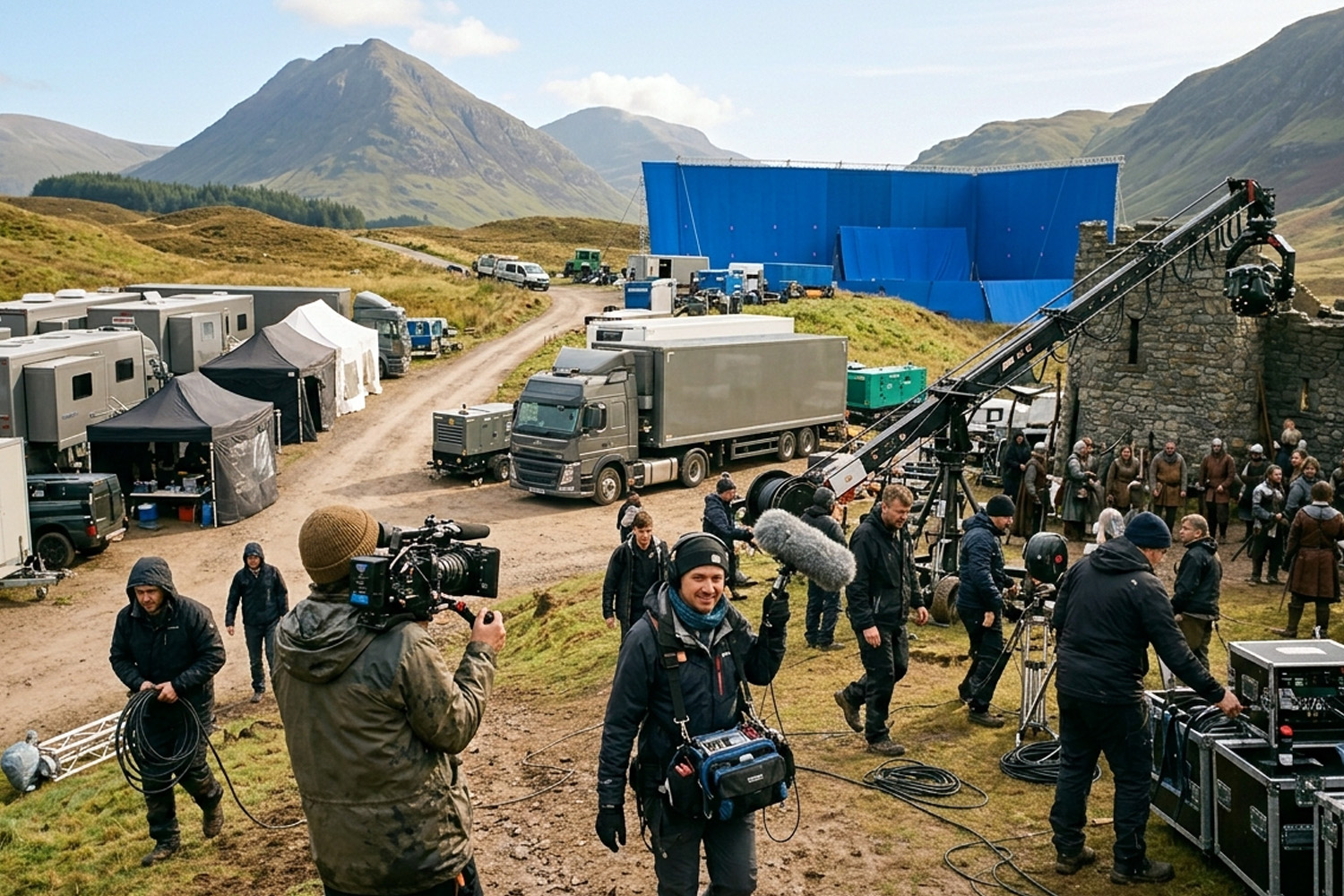
- Large-scale set construction and global filming locations
- A sizable ensemble cast and production crew
Citadel
Another major investment by Amazon, Citadel reportedly had a budget exceeding $300 million for its first season. The series was conceived as a global franchise with multiple international spin-offs, significantly increasing its financial scope.
Key factors:
- Complex action sequences and international filming
- High-profile production team, including the Russo Brothers
- Multi-market strategy requiring localized adaptations
Stranger Things (later seasons)
While earlier seasons were relatively modest, later installments of Stranger Things reportedly reached costs of up to $30 million per episode.
Key factors:
- Increasing scale of visual effects
- Higher salaries for cast members as the show gained popularity
- Extended episode runtimes and cinematic production values
House of the Dragon
A prequel to Game of Thrones, this series reportedly cost around $20 million per episode for its first season.
Key factors:
- Elaborate world-building and period design
- High-end CGI (notably dragons and battle scenes)
- Established franchise expectations
What Drives Such High Costs? Structural Factors Explained
The escalation in production budgets is not arbitrary; it is the result of several structural changes in the industry.
1. Global Competition for Subscribers
Streaming platforms operate on subscription-based models. High-budget series serve as flagship content to attract and retain users across multiple regions.
2. Cinematic Production Standards
Modern streaming series increasingly resemble feature films in quality. This includes:
- Advanced CGI and visual effects
- High-resolution filming formats
- Complex stunt choreography and location shooting
3. Intellectual Property (IP) Acquisition
Well-known franchises command significant licensing fees. For example, securing rights to established universes like Tolkien’s works dramatically increases upfront costs.
4. Talent and Labor Costs
As competition intensifies, top actors, directors, and producers command higher salaries. Long-running shows also face rising costs due to contract renegotiations.
5. Extended Production Timelines
High-end series often require longer development and post-production periods, increasing labor and operational expenses.
Industry and Cultural Impact
The rise of ultra-expensive streaming series has had a measurable impact on both the entertainment industry and audience expectations.
Industry-Level Effects
- Budget inflation: Mid-tier productions struggle to compete as resources concentrate on blockbuster projects.
- Risk concentration: A single high-budget failure can significantly impact a platform’s financial performance.
- Shift in creative priorities: Platforms prioritize globally appealing content over niche storytelling.
Audience-Level Effects
- Higher expectations: Viewers increasingly expect cinematic quality from television.
- Global accessibility: High-budget productions are often distributed worldwide simultaneously, shaping shared cultural experiences.
- Franchise dominance: Established intellectual properties gain prominence over original concepts.
Sustainability and Strategic Trade-Offs
The era of the highest-budget streaming series reflects both opportunity and risk. While productions like The Rings of Power and Citadel demonstrate the scale of modern television, they also highlight the financial pressures facing streaming platforms.
In the short term, high-budget series function as strategic assets-driving subscriptions, enhancing brand value, and competing for global attention. However, the long-term sustainability of such spending remains uncertain. Platforms must balance large-scale investments with consistent returns, particularly as market growth stabilizes and competition intensifies.
Ultimately, the trajectory of streaming budgets will depend on whether these flagship productions continue to deliver measurable value. If they do, blockbuster television may remain the industry standard. If not, a recalibration toward more cost-efficient models could redefine the next phase of streaming entertainment.
The Most Expensive Television Series in History (Top 10)
| Rank | Series | Platform | Estimated Budget | Notes |
|---|---|---|---|---|
| 1 | The Lord of the Rings: The Rings of Power | Amazon Prime Video | ~$465M (Season 1) | Highest single-season budget ever |
| 2 | Citadel | Amazon Prime Video | ~$300M (Season 1) | Global franchise strategy |
| 3 | Stranger Things (Season 4) | Netflix | ~$30M per episode | High VFX and cast costs |
| 4 | The Witcher | Netflix | ~$10–15M per episode | Fantasy production scale |
| 5 | House of the Dragon | HBO | ~$20M per episode | Game of Thrones prequel |
| 6 | Game of Thrones (Final Seasons) | HBO | ~$15M per episode | Large-scale battle sequences |
| 7 | The Crown | Netflix | ~$13M per episode | Historical accuracy and sets |
| 8 | The Mandalorian | Disney+ | ~$15M per episode | Virtual production technology |
| 9 | WandaVision | Disney+ | ~$20–25M per episode | Marvel cinematic integration |
| 10 | The Pacific | HBO | ~$200M total | High-cost war production |