Context: From Infinite Streaming to Finite Ownership
In today’s streaming-dominated ecosystem, music is effectively infinite-millions of tracks accessible instantly, often for the price of a single album per month. This abundance has stripped music of its traditional scarcity. As a result, the concept of ownership has shifted from necessity to luxury.
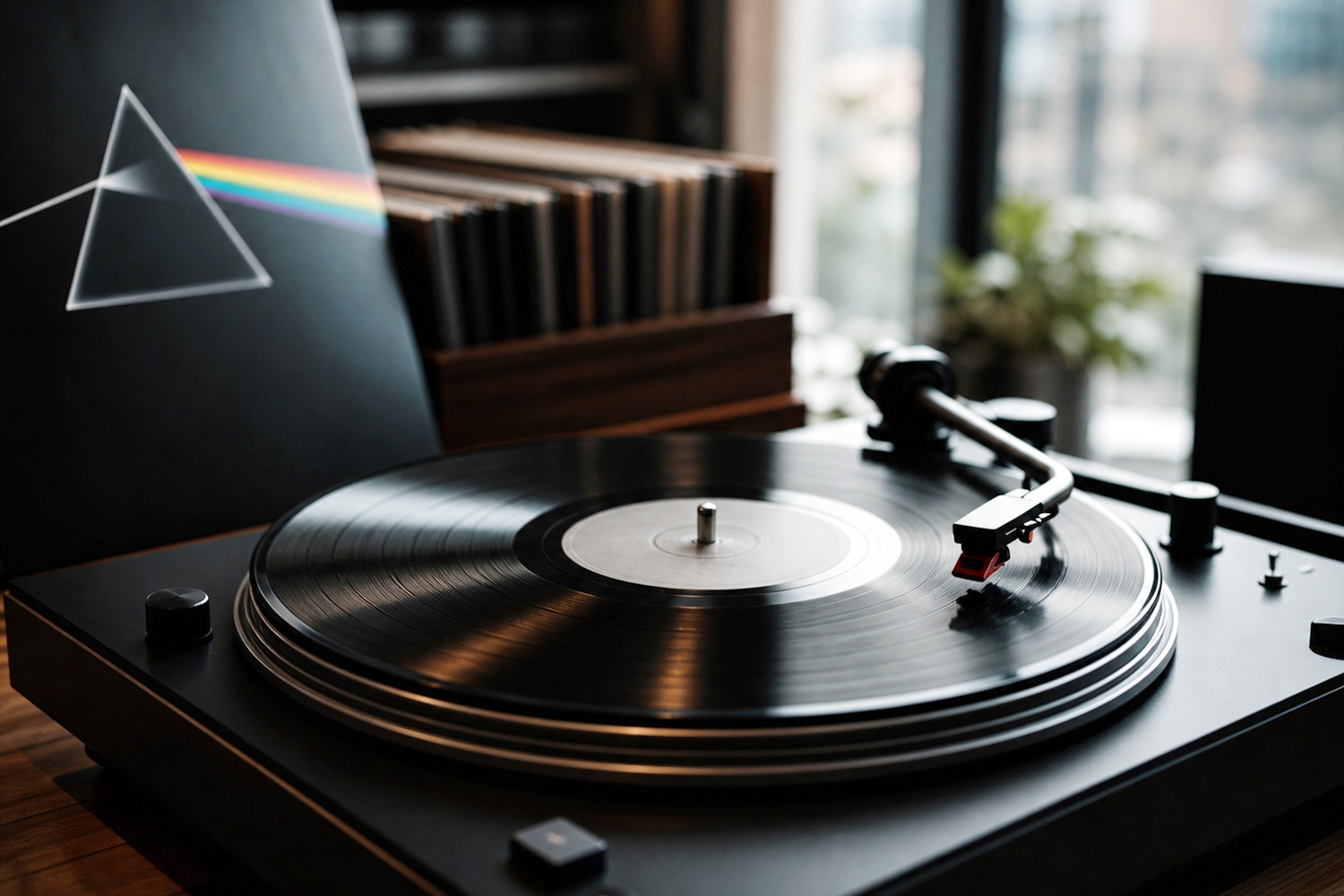
Music collectibles now occupy that luxury space. Rare vinyl, unreleased albums, one-of-a-kind pressings, and artist-owned archives have become high-value assets, traded in auctions and private sales. What defines this market is not just nostalgia, but controlled scarcity, provenance, and cultural significance.
Collectors are no longer simply fans-they are investors, curators, and status-seekers operating within a global niche market that intersects entertainment, art, and finance.
The Most Valuable Music Collectibles and Their Owners
1. Once Upon a Time in Shaolin – The $2 Million One-of-One Album
Perhaps the most famous modern music collectible, this album by Wu-Tang Clan was produced as a single physical copy. It was sold in 2015 for approximately $2 million to Martin Shkreli, making it one of the most expensive music items ever.
After legal issues surrounding Shkreli, the album was seized and later acquired by the digital collective PleasrDAO for around $4 million.
Why it matters:
This album represents the extreme end of artificial scarcity-music treated as fine art. Its value lies not in listenership, but exclusivity and narrative.
2. The Beatles (White Album) No. 0000001 – Owned by Ringo Starr
The first-ever pressing of the White Album (serial number 0000001) is owned by Ringo Starr. It sold at auction in 2015 for approximately $790,000.
Market insight:
The value is driven by provenance (ownership by a Beatle) and historical significance. Early pressings with unique serial numbers are highly sought after, but ownership history dramatically multiplies value.
3. Double Fantasy Signed Copy
A copy of this album signed by John Lennon just hours before his death sold for around $150,000–$200,000.
Why collectors care:
Emotional and historical context can outweigh rarity. This item is not unique in production, but its story makes it irreplaceable.
4. My Happiness – The First Recording
This acetate recording, featuring Elvis Presley as a teenager, was sold to Jack White for $300,000.
Market dynamic:
“Origin artifacts” (first recordings, demos) carry exceptional value because they represent the birth of cultural icons.
5. The Freewheelin’ Bob Dylan
A rare withdrawn pressing of this album by Bob Dylan-featuring tracks later removed-has sold for over $35,000.
Key factor:
Unreleased or altered content creates scarcity within otherwise mass-produced albums.
6. Prince’s Vault – Owned by Prince Estate
The legendary vault of unreleased recordings by Prince contains thousands of tracks. While not fully monetized, analysts estimate its potential value in the hundreds of millions of dollars.
Industry significance:
This is not a single collectible but an archive-demonstrating how exclusivity at scale can become a long-term strategic asset.
Market Value Trends: What Drives Prices?
The music collectibles market has grown steadily over the past decade, with vinyl sales reaching levels not seen since the 1980s. But the high-end collectibles segment operates under different rules than mass-market vinyl resurgence.
1. Scarcity and Supply Control
Items like Once Upon a Time in Shaolin show that scarcity can be engineered. The fewer copies exist, the higher the potential ceiling-provided there is cultural relevance.
2. Provenance and Ownership History
An item owned by a legendary artist or tied to a historic moment can multiply in value several times over. Ownership is often as important as the object itself.
3. Cultural Impact
Albums tied to major shifts in music history-such as those by The Beatles or Elvis Presley-retain long-term value due to their foundational influence.
4. Condition and Authenticity
Collectors demand near-perfect condition, original packaging, and verified authenticity. Certification and documentation are essential in high-value transactions.
Audience Psychology: Why Collectors Pay Premium Prices
At the core of this market is not just investment logic, but emotional and psychological motivation.
Collectors are driven by:
- Identity signaling: Owning rare music artifacts reflects taste and cultural knowledge
- Exclusivity: The fewer people who own something, the more desirable it becomes
- Connection to artists: Physical objects create a tangible link to intangible music
- Narrative value: Stories behind items often outweigh their physical form
In a digital world where music is endlessly replicable, collectibles restore a sense of uniqueness and personal ownership.
Business Implications: How the Industry Monetizes Exclusivity
Artists and labels have recognized the potential of collectibles as a premium revenue stream.
Limited Editions and Drops
Modern artists frequently release:
- Limited vinyl variants
- Signed editions
- Exclusive merchandise bundles
These are often sold directly to fans, bypassing traditional distribution channels.
Auction Houses and Private Sales
Companies like Sotheby’s and Christie’s have expanded into music memorabilia, legitimizing it as an investment category.
Digital Collectibles
While still evolving, blockchain-based music ownership attempts to replicate scarcity in digital form. Though volatile, it reflects the same underlying demand for exclusivity.
Conclusion: Music as Asset, Artifact, and Identity
The market for music collectibles is no longer a niche-it is a structured, high-value segment of the entertainment economy. What began as fan-driven nostalgia has evolved into a hybrid market combining culture, finance, and identity.
The key shift is this: music itself may be infinite, but meaningful ownership is not. As long as audiences continue to seek deeper, more personal connections to artists, the demand for rare and exclusive music artifacts will persist.
In the future, the most successful collectibles will not simply be rare-they will tell compelling stories, carry cultural weight, and offer something that streaming never can: a sense of possession in a world of access.
Related Analysis:
Music as a Business: NFTs, Web3 And the New Economics in 2025