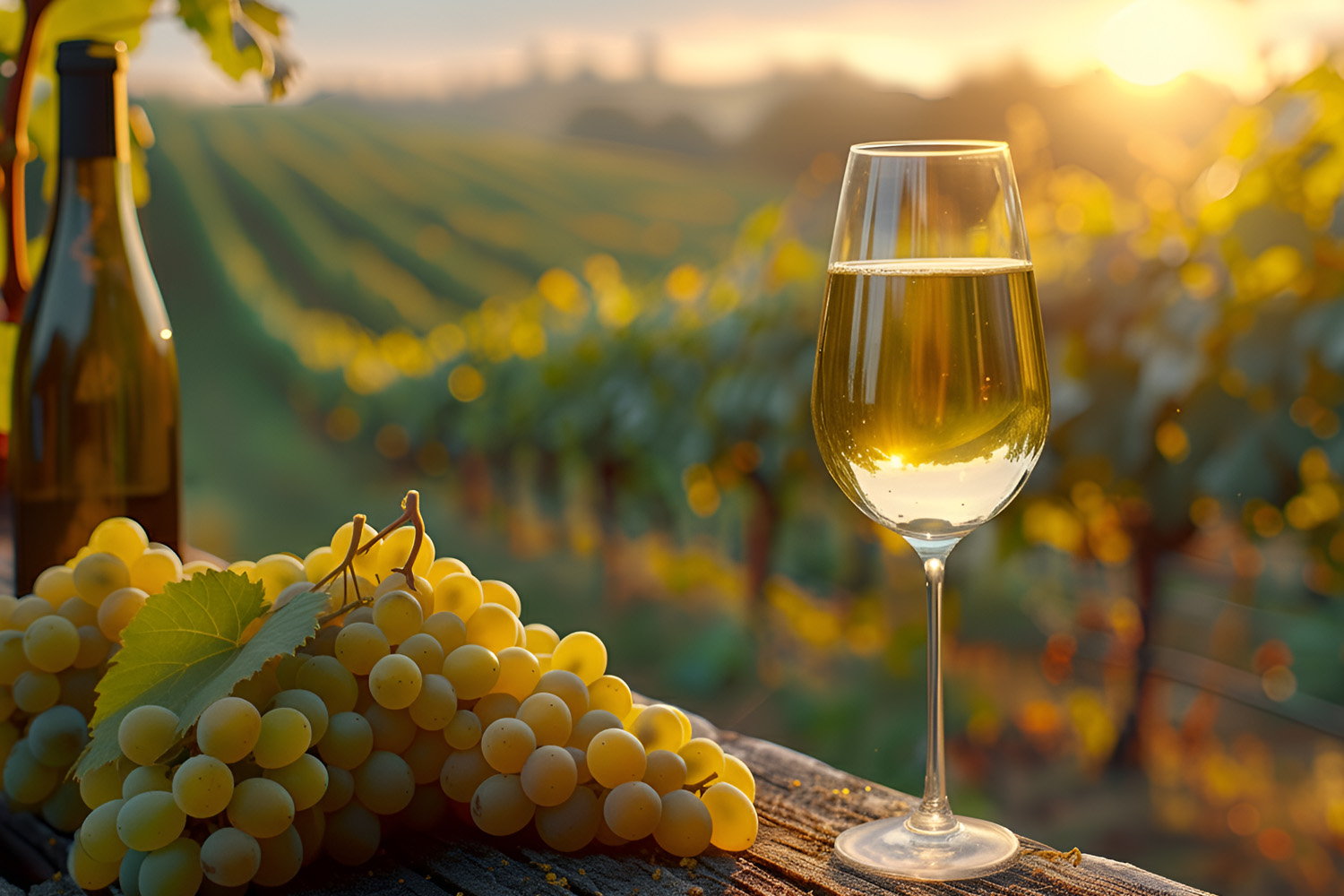
Introduction – Georgia: the cradle of wine
Georgia is widely recognised as the homeland of wine: archaeologists and winemakers point to thousands of years of continuous viticulture, and modern sources report about 525 indigenous Georgian grape varieties, a richness that underpins the country’s global wine legacy.
Below is Top 10 of the world’s best grape varieties and the most famous wines made from them. For each variety you’ll find: country of origin, grape color, concise tasting characteristics and one (or two) of the most famous wines made from that variety with an indicative price range (retail/auction prices vary by vintage, region and merchant).
1. Rkatsiteli (Georgia) – White
Origin: Georgia.
Color: White (often used to make amber/orange qvevri wines).
Overview: Rkatsiteli is Georgia’s flagship white grape and one of the world’s oldest varieties, with archaeological evidence linking Georgian winemaking traditions to over 8,000 years of history. Grown mainly in Kakheti, Rkatsiteli produces crisp, aromatic wines that can range from refreshing whites to amber “qvevri” styles fermented on the skins.
Taste profile: Crisp acidity, green apple, quince, citrus peel, sometimes herbal/tea notes; when qvevri-made (skin maceration) it develops tannic, orange, nutty, dried-fruit layers.
Famous wines & price: Natural/qvevri Rkatsiteli from producers such as Pheasant’s Tears (Kakheti) commonly retail in export markets in the ~$20–$50 range for recent vintages (prices vary by market and bottling).
2. Saperavi (Georgia) – Red
Origin: Georgia (Kakheti region).
Color: Deep ruby to inky purple.
Overview: Saperavi is Georgia’s iconic red grape – deeply pigmented and capable of producing both dry and semi-sweet wines. Known for its structure and ageability, it’s also a teinturier grape (red flesh), rare in the wine world.
Taste profile: Intense black-fruit (blackberry, black cherry), ripe plum, firm tannins, lively acidity and great ageing potential; styles range from semi-sweet PDO wines (Kindzmarauli) to robust dry Mukuzani and qvevri reds.
Famous wines & price: Well-known Georgian Saperavi bottlings (Mukuzani, Kindzmarauli, qvevri Saperavi) are widely available; many quality regional Saperavi wines retail in the $15–$50 range, while select verticals/older reserves can cost more.
3. Cabernet Sauvignon (France, Bordeaux) – Red
Origin: Southwest France (Girondes/Bordeaux region).
Color: Deep ruby to garnet.
Overview: Cabernet Sauvignon is the world’s most planted premium red grape, renowned for structure, longevity, and its role in Bordeaux blends. It thrives in many regions, from France to California and Australia.
Taste profile: Blackcurrant, cedar, tobacco, graphite, firm tannins and ability to age remarkably well. Blended frequently (Merlot, Cabernet Franc), but stands alone in single-varietal bottlings and in the world’s most celebrated châteaux.
Famous wines & price: First-growth Bordeaux (Cabernet-dominant wines such as Château Lafite Rothschild) retail depending on vintage and release; premium vintages commonly trade in the high hundreds to several thousands of dollars per bottle on international markets.
4. Pinot Noir (France, Burgundy) – Red
Origin: Burgundy, France.
Color: Pale ruby (lighter than many reds).
Overview: Elegant and complex, Pinot Noir is famous for its delicacy and ability to express terroir, producing the world’s most coveted red Burgundies.
Taste profile: Red cherry, raspberry, earth, mushroom, floral (rose), bright acidity, delicate tannins and extraordinary terroir expression; top Burgundy pinots are among the most sought-after wines in the world.
Famous wines & price: Grand-cru Burgundy such as Domaine de la Romanée-Conti (Romanée-Conti) can command extremely high prices at release and auction – market examples show Romanée-Conti bottles often selling for many thousands to tens of thousands of dollars depending on vintage and provenance.
5. Chardonnay (France, Burgundy) – White
Origin: Burgundy, France (Chablis, Côte de Beaune, Montrachet).
Color: Pale straw to golden.
Overview: The most versatile white grape, Chardonnay yields both mineral Chablis and rich, buttery Burgundies – and thrives globally.
Taste profile: Green apple, pear, citrus in cooler sites; richer notes of butter, toasted almond, vanilla and stone fruit in oak-aged Grand Crus. Extremely versatile – crisp to full-bodied.
Famous wines & price: Top Montrachet and other Grand-Cru whites (Domaine Leflaive, Domaine de la Romanée-Conti’s Montrachet holdings, etc.) appear at auction and retail with many bottles in the four-figure range for prized vintages; top Leflaive Grand Crus commonly trade in the low-to-mid four-figures for sought years.
6. Merlot (France, Bordeaux – Pomerol) – Red
Origin: Bordeaux, France (historically Left & Right Bank; Pomerol notable for Merlot).
Color: Ruby to deep garnet.
Overview: Merlot is beloved for its smooth texture and ripe fruit flavors. It’s the foundation of many Bordeaux right-bank wines and a global favorite.
Taste profile: Plush plum and black cherry, chocolate, soft tannins (when ripe); excellent for both smooth single-varietal bottlings and blends.
Famous wines & price: Petrus (Pomerol) – the most famous Merlot-led wine – routinely trades at premium market values; recent prime vintages often price in the low thousands to several thousands of dollars per bottle depending on year and condition.
7. Nebbiolo (Italy, Piedmont) – Red
Origin: Piedmont, Italy (Langhe; Barolo and Barbaresco zones).
Color: Light garnet with orange rim as it ages.
Overview: Nebbiolo is Italy’s noble red grape, producing Barolo and Barbaresco – long-aged, aromatic wines prized by collectors.
Taste profile: High acidity, powerful tannins, floral (rose), tar, cherry, red fruit, anise and leather; famous for long ageing and complexity.
Famous wines & price: Top Barolo Riserva wines (e.g., Giacomo Conterno Monfortino) are collectors’ items – typical market prices for celebrated Monfortino vintages often sit in the multiple-hundreds to low-thousands of dollars per bottle depending on vintage.
8. Syrah / Shiraz (France, Rhône / Australia) – Red
Origin: Rhône Valley (northern Rhône: Hermitage, Côte-Rôtie).
Color: Deep ruby to purple.
Overview: Syrah (Shiraz in Australia) produces bold, spicy reds with dark fruit and savory notes, excelling in both the Rhône and Barossa Valley.
Taste profile: Blue/black fruits, smoked meat, black pepper, olive, leather and savory/earthy complexity; styles vary from powerful and peppery to plush and ripe (e.g., Australian Shiraz).
Famous wines & price: Côte-Rôtie La Landonne (E. Guigal) and other northern Rhône icons often appear in the high hundreds per bottle for top vintages (many flagship La Landonne vintages average several hundred to low-thousand dollars in specialist markets).
9. Riesling (Germany – Mosel, Rheingau, etc.) – White
Origin: Germany (Mosel, Rheingau, Nahe).
Color: Pale straw to deep gold (in sweeter, older wines).
Overview: Riesling is one of the most aromatic white grapes, known for balance between sweetness and acidity, and its mineral complexity.
Taste profile: Racy acidity, citrus, stone fruit, petrol/mineral complexity in aged examples; styles range from dry (Trocken) to lusciously sweet Auslese/Beerenauslese/TBA.
Famous wines & price: Mosel top producers such as Weingut Egon Müller (Scharzhofberger) produce Auslese/Spätlese and other sweet Rieslings that can retail from several hundred to several thousand dollars per bottle for the most rare, historic vintages.
10. Tempranillo (Spain – Rioja, Ribera del Duero) – Red
Origin: Iberian Peninsula (Spain; Rioja and Ribera del Duero are star regions).
Color: Ruby to garnet.
Overview: Tempranillo is Spain’s signature red grape, forming the backbone of Rioja and Ribera del Duero wines.
Taste profile: Cherry, plum, leather, tobacco, vanilla from oak ageing; flexible from modern fruit-forward styles to long-aged, savory reservas and grandes reservas.
Famous wines & price: Spain’s Vega Sicilia Único (Ribera del Duero) – a Tempranillo-led icon – typically retails in the hundreds of dollars per bottle for current labels and can rise significantly for special editions and older vintages.
Short buying guide & notes on prices
• Price ranges are indicative. The values listed above are typical retail/auction levels for well-known producers and desirable vintages; actual cost varies by vintage, provenance, condition and retailer. For many of the world’s “icon” bottles (Romanée-Conti, Petrus, top First-Growth Bordeaux), auction and specialist-retailer prices can reach four, five or even six figures for rare vintages; everyday expressions of the same grape (regional or newer producers) are far more affordable.
• Georgia’s Rkatsiteli and Saperavi are exceptional for both value and cultural heritage: you’ll find classic, drinkable Rkatsiteli and Saperavi in the under-$50 bracket from many Georgian producers, while rare cellars/long-aged bottlings can cost more.
Conclusion
This Top-10 list blends historical importance, global influence and market prestige. Georgia – the world’s ancestral wine cradle with some 525 native varieties – rightly leads the list with Rkatsiteli and Saperavi, but the remainder of the ranking reflects grapes that shaped modern global wine culture: Cabernet Sauvignon, Pinot Noir, Chardonnay, Merlot, Nebbiolo, Syrah, Riesling and Tempranillo. Whether you seek collector-level bottles (Romanée-Conti, Petrus, Monfortino) or outstanding everyday wines (Georgian qvevri reds and whites, classic Rioja, Barolo and Rhône), each variety has a spectrum of styles and prices for every kind of wine lover.