Architecture firms shape the skylines and public spaces of our world-not just with singular buildings, but through their enduring design philosophies. Below are five globally renowned firms, with a sampling of their most famous projects, their typical styles, and what makes each special.
1. Foster + Partners (United Kingdom)
Style: High-tech / modernist with clean lines, structural expression, glass and steel.
Famous works & values:
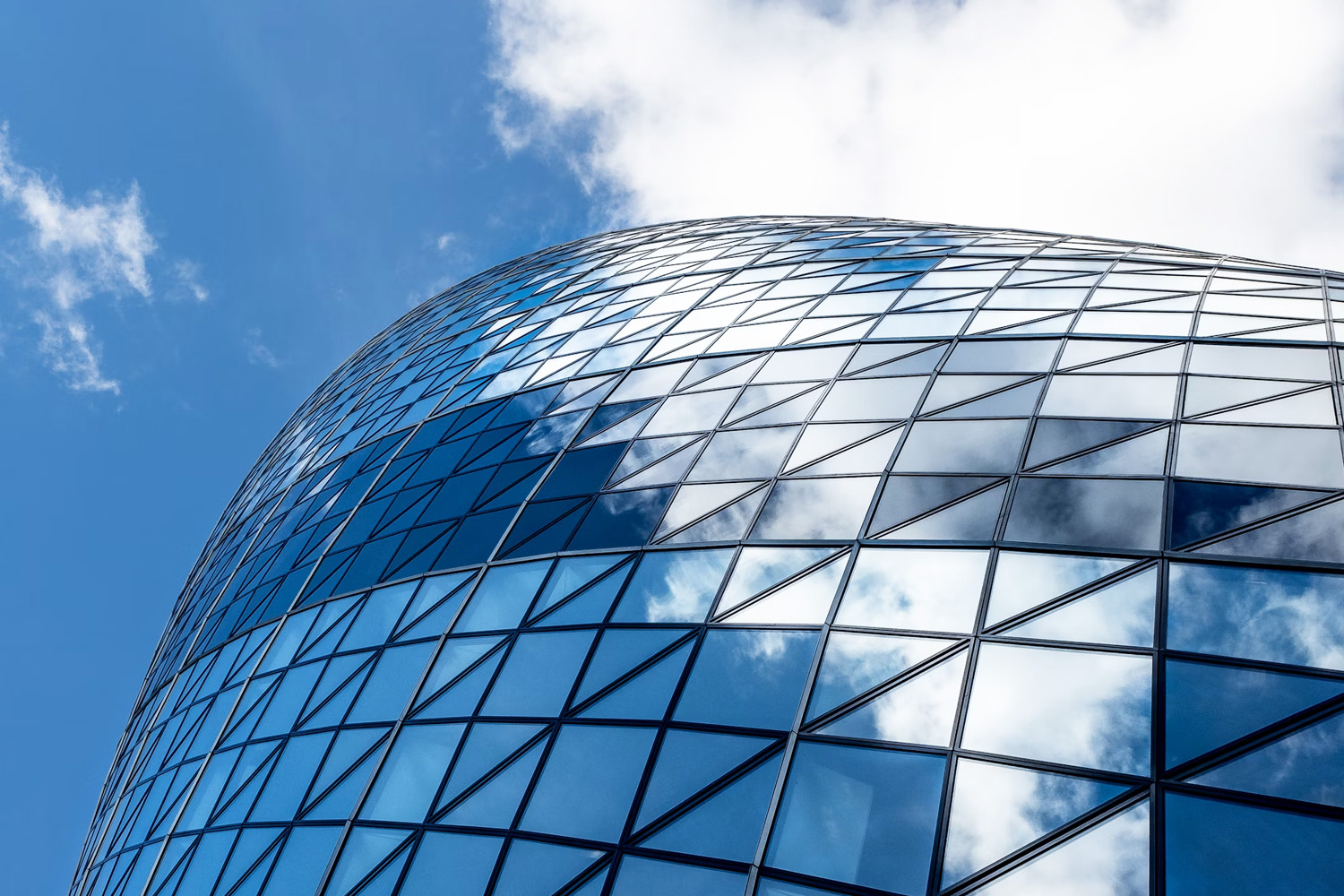
- 30 St Mary Axe (“The Gherkin”, London) – a landmark aerodynamic tower in London’s financial district.
- Apple Park (Cupertino, California) – a ring-shaped glass campus developed for Apple Inc.; exemplifies sustainability and modern corporate headquarters.
- Reichstag Dome (Berlin, Germany) – the glass dome atop the German Parliament building symbolises transparency and integrates passive ventilation.
Why it matters: Foster + Partners pioneered merging engineering and architecture, making high-tech aesthetics accessible and global in scale.
2. Zaha Hadid Architects (United Kingdom)
Style: Parametric-fluid, neo-futurist, bold curves and dynamic forms, often sculptural.
Famous works & values:
- Guangzhou Opera House (China) – opened 2010, cost approx. US$200 million, and celebrated for its sweeping, deconstructivist façade.
- Heydar Aliyev Center (Baku, Azerbaijan) – designed by ZHA in 2012, the fluid forms blend architecture and landscape in symbolic cultural context.
- Vitra Fire Station (Weil am Rhein, Germany) – Zaha Hadid’s early built work (1993), known for sharp angular planes and the deconstructivist aesthetic.
Why it matters: ZHA expanded what architecture could look like, creating expressive forms that often became iconic landmarks and redefined expectations of modern building design.
3. Herzog & de Meuron (Switzerland)
Style: Material-rich, context-aware, sometimes industrial-heritage reuse, blending refinement with pragmatic architecture.
Famous works & values:
- Beijing National Stadium (“Bird’s Nest”, China, 2008) – co-designed with artist Ai Weiwei; major Olympic venue and global symbol.
- Tate Modern (London, UK, 2000) – transformed a former power station into a major cultural institution, showcasing adaptive reuse.
- Allianz Arena (Munich, Germany, 2005) – sports stadium famous for its façade lighting and stadium engineering.
Why it matters: Herzog & de Meuron marry high architecture with everyday functions; their work shows how iconic design can serve both place-making and performance.
4. Bjarke Ingels Group (BIG, Denmark)
Style: “Pragmatic utopianism” – playful, sustainable, hybrid functions that mix programmes, often bold geometry and ecological integration.
Famous works & values:
- 8 House (Copenhagen, Denmark) – a mixed-use “figure-8” development combining housing, retail and offices in 61,000 m² and retail 10,000 m².
- Amager Bakke (Copenhagen, Denmark) – a waste-to-energy plant that doubles as a ski slope and recreation facility, illustrating sustainable architecture.
Why it matters: BIG demonstrates how architecture can respond to environmental, social and economic challenges with inventive form and function, extending beyond conventional typologies.
5. Gensler (United States)
Style: Global corporate architecture, pragmatic but design-led, integrated services (architecture, interior, urban design, sustainability).
Famous works & values:
- Shanghai Tower (China) – 128-storey mixed-use skyscraper, one of the tallest in the world, developed with Gensler as design architect.
- CityCenter (Las Vegas, USA) – major large-scale mixed-use “city within a city” (18 million ft²) where Gensler served as executive architect.
Why it matters: Gensler represents scaling architecture practice globally; their ability to deliver across typologies reflects the evolution of architecture in a global marketplace.
Common Values Across These Firms
- Contextual sensitivity: Even landmark projects engage culture, place and environment in meaningful ways.
- Sustainability and innovation: Many recent projects prioritise energy efficiency, adaptive reuse, integrated social spaces and future-proofing.
- Design ambition: These firms push form, materials, technology and the role of architecture beyond mere building to cultural and symbolic infrastructure.
- Global reach: Each firm (and their signature works) spans continents and typologies-from cultural centres to skyscrapers, public infrastructure to mixed-use urban developments.
Final Thoughts
Architecture is more than buildings-it is cultural expression, technical mastery and visionary thinking. The firms above illustrate how architecture can combine art, engineering and social purpose on a global stage. Whether through the sleek high-tech towers of Foster + Partners, the fluid sculptural shapes of Zaha Hadid Architects, the material subtlety of Herzog & de Meuron, the playful sustainability of BIG, or the global system-scale delivery of Gensler-they represent the major currents shaping 21st-century architecture.