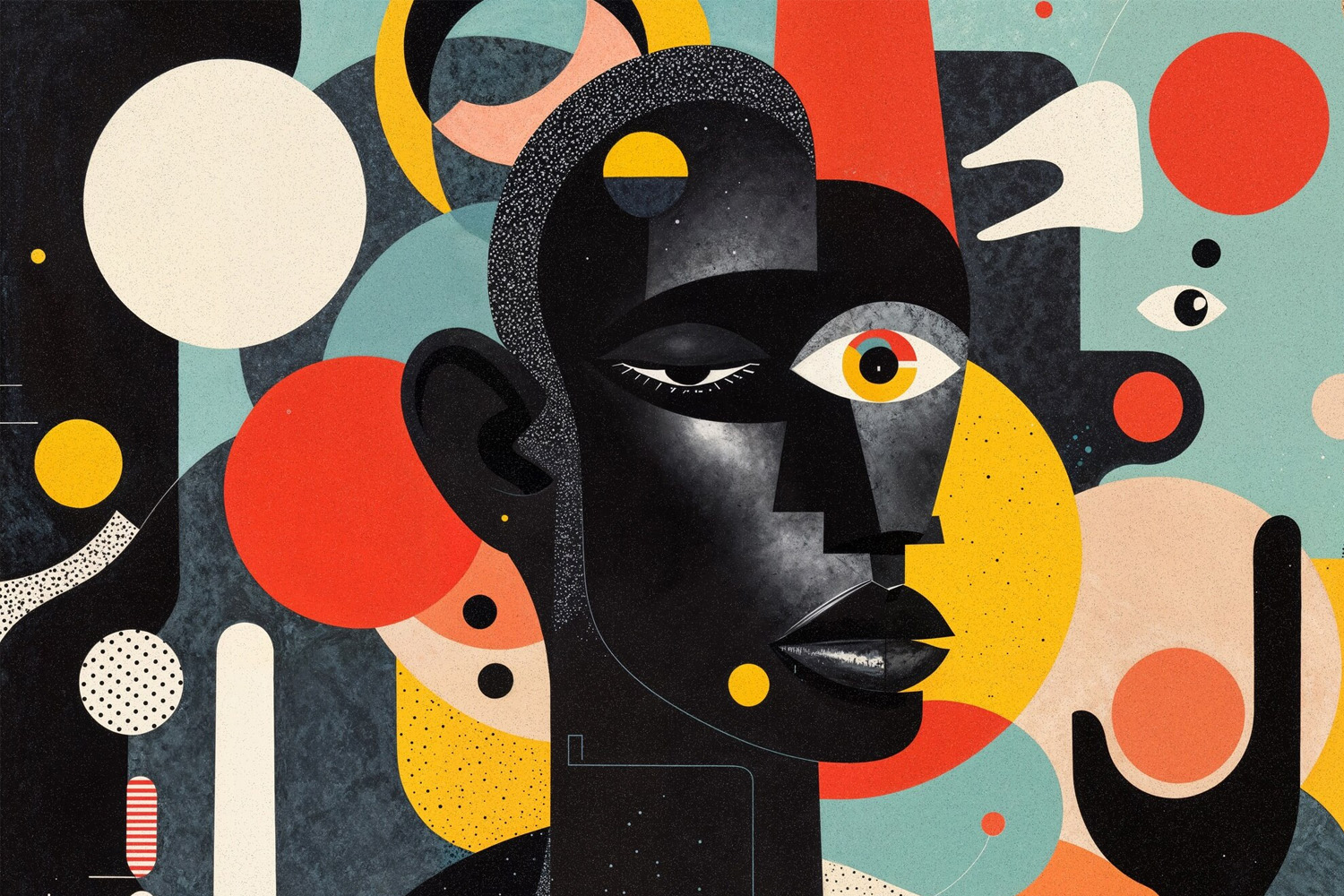
Exploring the Evolution of Modern Art: Key Movements and Influences
Modern art represents one of the most transformative periods in human creativity. Emerging in the late 19th century, it marked a break from traditional artistic conventions and reflected profound social, political, and technological changes. From Impressionism to Postmodernism, the evolution of modern art mirrors the evolution of society itself-constantly redefining how we see and interpret the world.
Impressionism: Capturing Light and Moment
In the 1870s, artists like Claude Monet, Pierre-Auguste Renoir, and Edgar Degas challenged the academic norms of painting. Impressionists focused on light, color, and everyday life, using quick brushstrokes to capture fleeting moments. Their work rejected strict realism, paving the way for individual artistic expression.
Expressionism: Emotion Over Reality
In the early 20th century, Expressionist artists such as Edvard Munch and Egon Schiele turned inward, using distorted forms and intense colors to convey emotion and psychological depth. This movement reflected the uncertainty of a rapidly changing world before World War I.
Cubism: Breaking Down Perspectives
Pioneered by Pablo Picasso and Georges Braque, Cubism deconstructed objects into geometric forms, showing multiple viewpoints at once. This radical rethinking of space and form had a lasting impact on architecture, design, and abstract art.
Surrealism: The Power of Dreams
In the 1920s and 1930s, Surrealism emerged under the influence of Sigmund Freud’s theories of the subconscious. Artists like Salvador Dalí, René Magritte, and Max Ernst explored dream imagery, irrational juxtapositions, and fantasy, blurring the line between imagination and reality.
Abstract Expressionism: Freedom and Energy
After World War II, the art world’s center shifted to New York. Artists such as Jackson Pollock, Mark Rothko, and Willem de Kooning emphasized spontaneity, emotion, and large-scale expression. Abstract Expressionism celebrated freedom of form and became a defining moment in modern American art.
Pop Art: Everyday Icons Become Art
In the 1950s and 1960s, Pop Art challenged the elitism of traditional art by embracing popular culture. Figures like Andy Warhol and Roy Lichtenstein turned consumer goods, comic strips, and advertising into high art-reflecting society’s growing obsession with media and mass production.
Postmodernism: Questioning Everything
By the late 20th century, Postmodernism blurred boundaries between art, culture, and politics. Artists such as Cindy Sherman, Jean-Michel Basquiat, and Jeff Koons questioned originality, meaning, and identity. This movement celebrated diversity, irony, and reinterpretation in art.
The Continuing Evolution of Art
Modern art laid the foundation for today’s diverse art scene-where digital media, installation art, and AI-generated works continue to expand creative possibilities. Its evolution reminds us that art is not static; it reflects the human experience in all its complexity and constant change.
Final Thoughts
From the brushstrokes of Impressionism to the conceptual layers of Postmodernism, modern art tells the story of humanity’s shifting vision. Each movement built on the last, shaping how we define beauty, truth, and creativity in the modern age.