The global wrestling scene is entering a new era – and it’s not just about medals or rankings anymore. Promotions around the world are competing aggressively for star power, bringing together Olympic champions, world medalists, and even UFC fighters under the same spotlight. For fans, it means dream matchups. For the sport, it signals a shift in identity and ambition.
A New Battleground for Combat Stars
Wrestling has always been the foundation of many elite MMA careers. But today, the movement is going both ways. Promotions are actively courting crossover names to generate buzz and expand their audience.
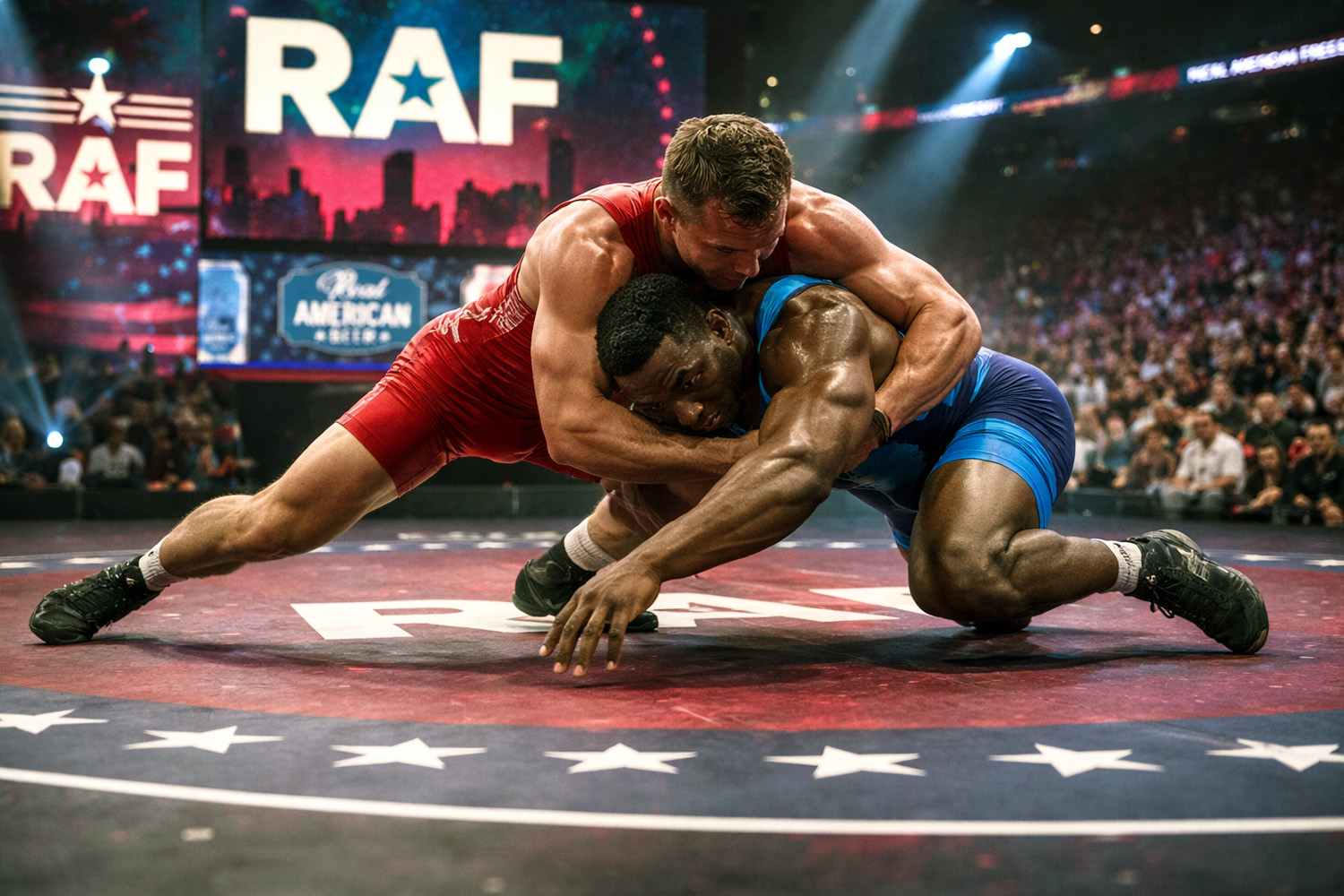
One of the most talked-about formats in this space is Real American Freestyle (RAF) – an initiative designed to spotlight elite freestyle wrestling while welcoming athletes from other combat disciplines. The appeal is obvious: high-level grappling without the constraints of traditional tournament structures, and matchups that fans rarely see elsewhere.
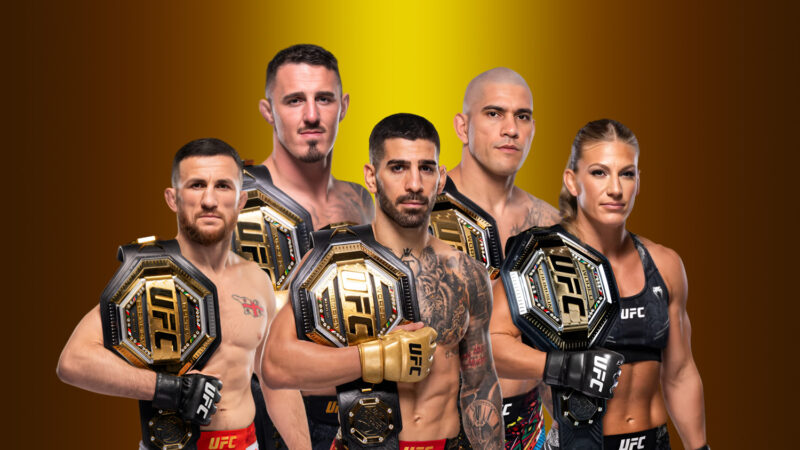
Names linked to this crossover wave include:
- Merab Dvalishvili – A UFC bantamweight champion-level contender with a strong wrestling base.
- Henry Cejudo – An Olympic gold medalist in freestyle wrestling who later became a two-division UFC champion.
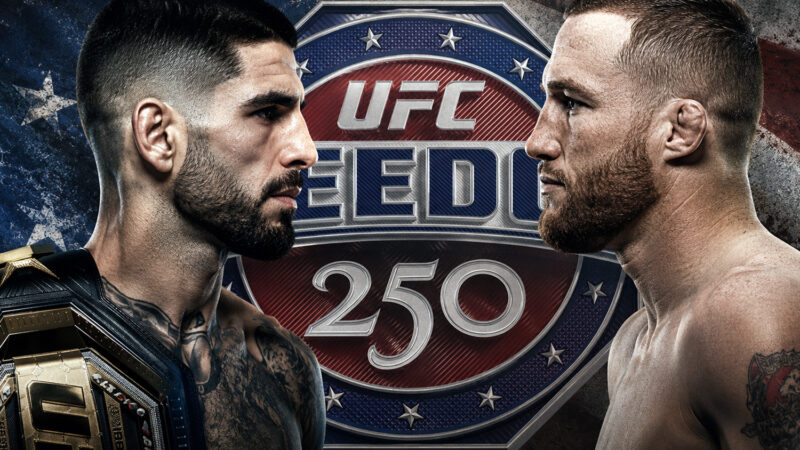
- Arman Tsarukyan – A top UFC lightweight known for elite grappling ability.
On the pure wrestling side, decorated champions such as:
- Givi Matcharashvili – World-level freestyle competitor.
- Vladimer Khinchegashvili – Olympic gold medalist and former world champion.
These athletes represent different worlds – Olympic mats, UFC cages, world championship podiums – now intersecting more frequently than ever.
Why It Matters for Fans
For sports fans, this isn’t just administrative maneuvering. It changes the spectacle.
First, it raises the competitive ceiling. When an Olympic gold medalist can potentially face a UFC champion with a deep wrestling pedigree, the narrative becomes bigger than a single promotion. It becomes a test of eras, styles, and career paths.
Second, it brings visibility to freestyle wrestling. MMA has global mainstream exposure, while wrestling – despite its Olympic prestige – often struggles for year-round media attention. Crossover events create new storylines and draw casual fans into the technical beauty of wrestling exchanges.
Third, it fuels national pride. Countries with strong wrestling traditions – including Georgia, the United States, and others – see their champions compete not just for medals, but for global recognition in new arenas.
The Trend Impact
The competition for talent signals a broader evolution in combat sports:
- Disciplines Are Blending
The line between wrestling and MMA continues to blur. Many elite fighters began as wrestlers; now wrestling promotions are leveraging that fame to elevate their own platforms. - Athletes Have More Leverage
Top competitors are no longer limited to one pathway. An Olympic champion can pursue traditional world titles, transition to MMA, or participate in special-format wrestling events. Career flexibility is increasing. - Entertainment Value Is Rising
Fans want high-stakes matchups, not just bracketed tournaments. Special events and showcase cards provide that adrenaline boost without replacing traditional competition. - Global Attention Is Expanding
Social media and streaming platforms amplify these crossover stories instantly. A single high-profile matchup can trend worldwide, giving wrestling a broader cultural footprint.
The Bigger Picture
Wrestling is not abandoning its roots – Olympic qualification cycles and world championships remain the sport’s backbone. But the emergence of events like RAF and the willingness to feature MMA stars alongside world-class wrestlers suggest something important:
The sport is adapting.
In an era where attention is fragmented and combat sports compete for the same audience, wrestling promotions are learning that star power matters as much as technique. The result is a more dynamic, unpredictable landscape – one that benefits fans who crave elite grappling, compelling rivalries, and the collision of worlds.
For now, the talent race is only intensifying. And for wrestling supporters, that means one thing: bigger names, bigger stages, and potentially unforgettable matchups.