UFC, Politics, and Cultural Power
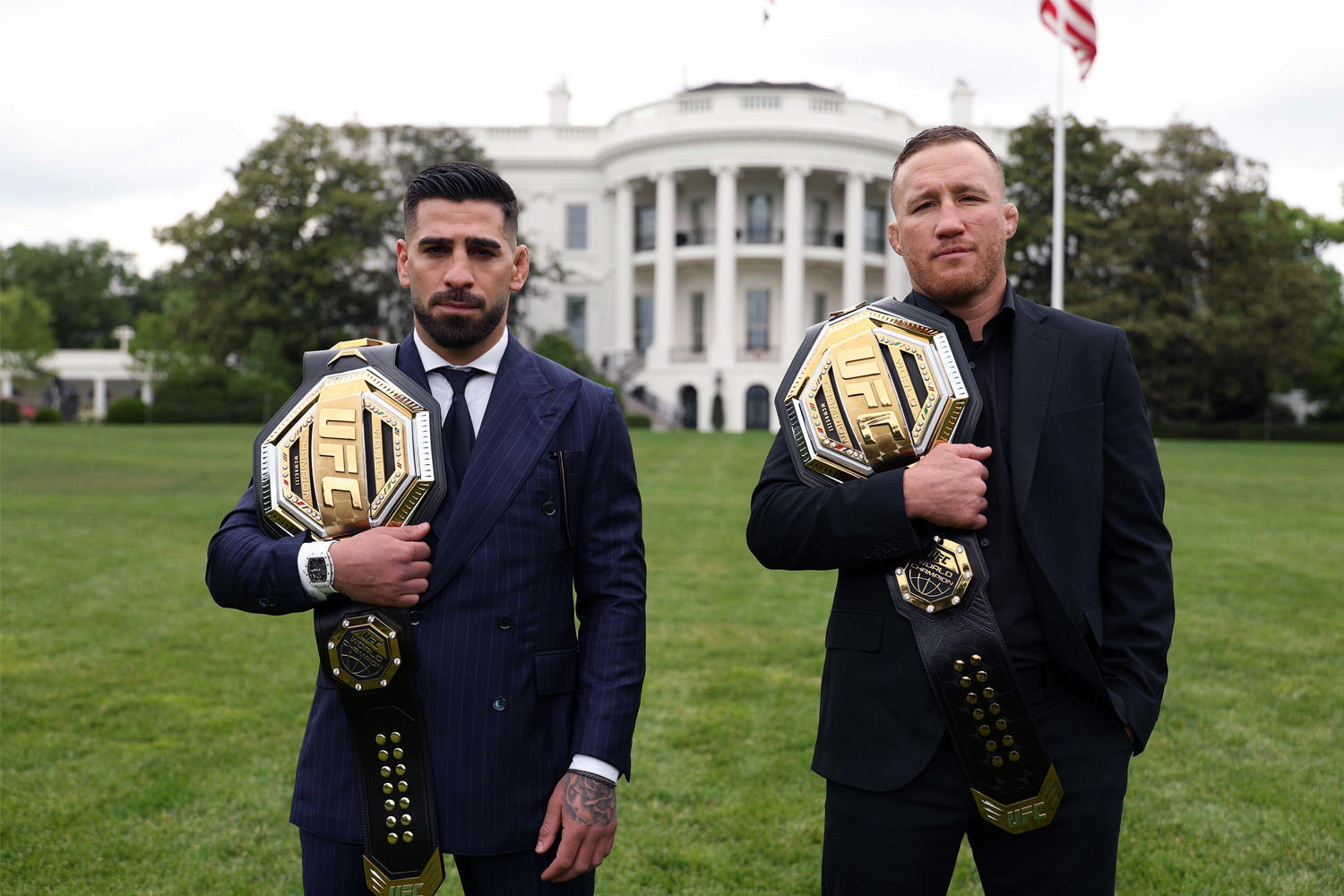
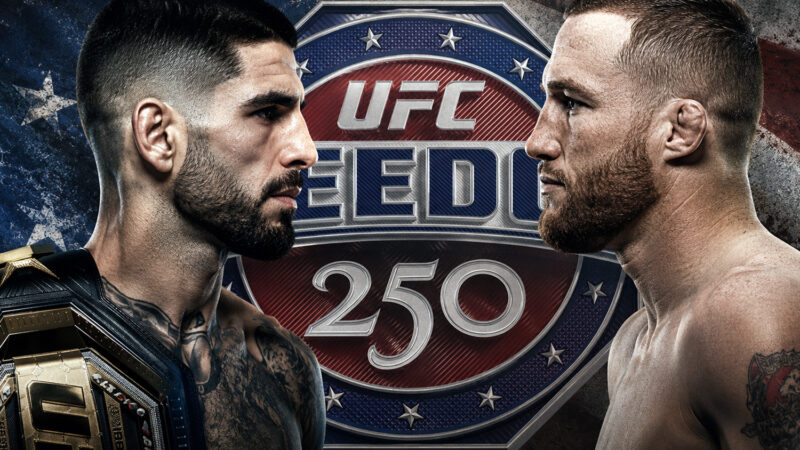
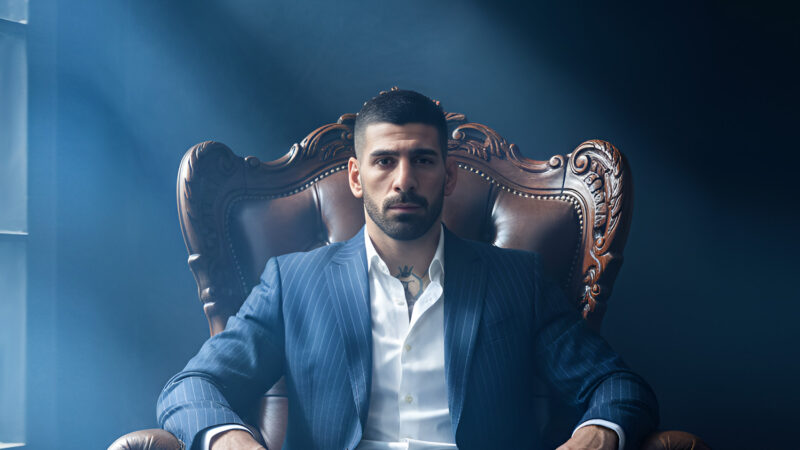
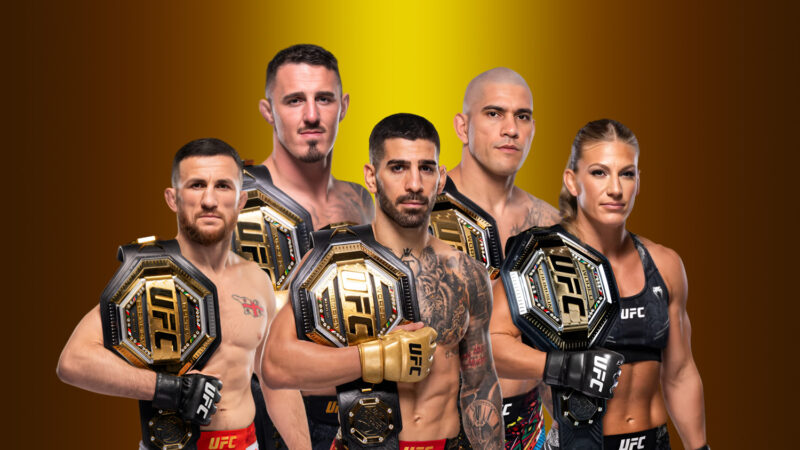
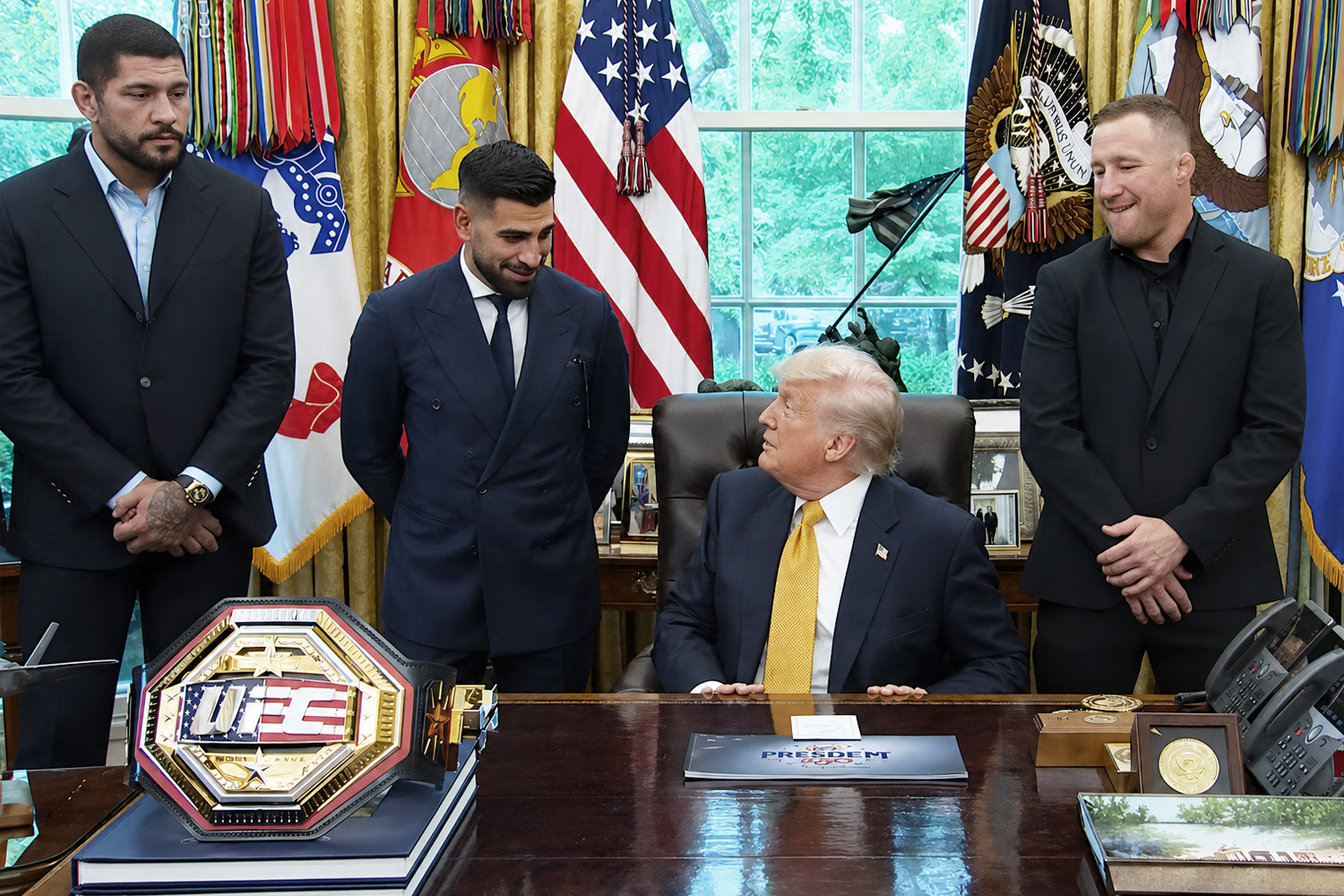
When Ilia Topuria appeared at the White House alongside other UFC fighters and Donald Trump, the meeting represented far more than a ceremonial photo opportunity. In modern sports culture, visits between elite athletes and political leaders function as symbolic exchanges of influence, legitimacy, and media power. For the UFC specifically, such appearances reveal how mixed martial arts has evolved from a niche combat product into one of the most commercially influential sports brands in the world.
The UFC’s relationship with politics – especially with Donald Trump – is unique compared to other major sports leagues. While athletes from the NBA, NFL, or European football often interact with presidents through championship ceremonies or national campaigns, UFC’s association with Trump has been built over decades through mutual branding, media visibility, and audience overlap.
For fighters like Ilia Topuria, whose popularity is rapidly expanding beyond hardcore MMA audiences, appearances at the White House are not simply political moments. They are indicators of the UFC’s transformation into a global cultural institution capable of influencing conversations far outside sports.
The larger question is not whether athletes should meet presidents. The real question is what these meetings reveal about the changing economics, media dynamics, and strategic positioning of modern sports.
From Marginal Sport to Political Visibility
The UFC’s path to mainstream legitimacy has been dramatically different from traditional American sports leagues. In the late 1990s and early 2000s, MMA was often dismissed as excessively violent and commercially risky. Regulatory battles limited television exposure, sponsorship opportunities, and athletic commission support.
Donald Trump became one of the early high-profile business figures willing to host UFC events at his venues during a period when many mainstream arenas avoided the promotion. That historical relationship matters because it established a long-term alliance between UFC leadership and Trump years before politics entered the picture.
Today, UFC fighters appearing at the White House signals how completely the sport’s reputation has changed. MMA is now broadcast globally, backed by billion-dollar media deals, and consumed by audiences across Europe, the Middle East, Latin America, and Asia. The UFC no longer seeks legitimacy – it now seeks influence.
That distinction is critical.
Sports organizations traditionally grow through competition success, broadcasting rights, and merchandising. The UFC, however, has expanded through personality-driven marketing, social media virality, and cultural positioning. Meetings with political leaders reinforce the idea that MMA has entered the same symbolic territory once dominated by the NFL, NBA, or Olympic sports.
Why Ilia Topuria Represents a New UFC Era
Ilia Topuria’s presence is especially significant because he represents several of the UFC’s current strategic priorities simultaneously.
First, he embodies the globalization of MMA talent. Born in Germany to Georgian parents and proudly competing under the Georgian flag, Topuria reflects the UFC’s increasingly international structure. While representing his roots, his deep ties to Spain allow the organization to aggressively target both European and Hispanic markets. Topuria fits perfectly into these diverse demographics, serving as a bridge between multiple fanbases.
Second, Topuria’s rise reflects a broader performance trend inside the UFC: the dominance of technically complete fighters. Earlier MMA eras often rewarded specialists – wrestlers, strikers, or submission experts. Modern champions succeed because they integrate multiple systems seamlessly.
Topuria’s style demonstrates this evolution. He combines elite boxing mechanics, pressure fighting, grappling efficiency, and tactical patience. His success is not built on athletic explosiveness alone but on adaptability and controlled aggression. That reflects how MMA itself has matured strategically.
The UFC benefits commercially from athletes like Topuria because they are easier to market internationally. Fighters with multilingual appeal, disciplined media presentation, and crossover charisma help the promotion attract sponsors beyond traditional combat sports industries.
A White House appearance amplifies that branding value. It transforms fighters from sports figures into recognizable public personalities.
The Tradition of Athletes Visiting Presidents
The relationship between athletes and the White House is deeply rooted in American sports culture.
Championship teams across the NFL, NBA, MLB, NHL, and NCAA have long participated in presidential visits. Figures such as Michael Jordan, Tom Brady, Tiger Woods, Muhammad Ali, Kareem Abdul-Jabbar, and the U.S. Olympic teams have all interacted with presidents in different political eras.
Combat sports also have a long history of presidential attention.
Muhammad Ali met several U.S. presidents and became one of the most politically influential athletes in modern history. Mike Tyson visited political figures during the peak of boxing’s global popularity. Floyd Mayweather and Conor McGregor later demonstrated how combat athletes could generate massive media attention beyond sporting performance.
The UFC’s political visibility increased dramatically during the Trump era because Dana White publicly supported Trump and consistently positioned the UFC within broader cultural debates around masculinity, entertainment, and American identity.
This strategy differs from leagues like the NBA, which often emphasize institutional neutrality or player-driven activism. UFC branding is more personality-centered and less centralized around collective messaging. That flexibility allows the organization to align more directly with political figures without the same internal resistance seen in other leagues.
Sports, Media, and the Attention Economy
Modern sports success increasingly depends on attention rather than competition alone.
The UFC understands this better than most organizations.
In traditional sports, league value was historically tied to local fan bases, ticket sales, and television contracts. Today, digital media has changed the equation. Viral clips, social media interactions, podcasts, political appearances, and celebrity connections generate enormous commercial value.
A White House meeting functions as a media multiplier.
Even audiences that do not follow MMA suddenly encounter UFC fighters through political news coverage, social platforms, and mainstream discussion. This expands athlete recognition beyond the sport’s core audience.
The UFC’s business model thrives on this crossover exposure because it relies heavily on star-driven economics. Unlike team sports, where league brands often outweigh individual athletes, UFC pay-per-view performance is directly connected to fighter visibility and personality.
Conor McGregor demonstrated this model at its peak. His commercial value came not only from fighting success but from his ability to dominate headlines across entertainment, politics, and internet culture.
The UFC now seeks to replicate that effect with multiple fighters simultaneously. Topuria is one of the strongest candidates because he combines undefeated momentum with international appeal and polished communication skills.
The Commercialization of Fighter Identity
Another important trend revealed by White House appearances is the increasing commercialization of athlete identity.
Modern athletes are no longer marketed only through competition results. They are brands, content creators, influencers, and cultural ambassadors.
For UFC fighters, political visibility can expand sponsorship opportunities, especially in industries connected to lifestyle branding, apparel, energy drinks, technology, and betting partnerships.
To see the real-world financial impact of this trend, explore our detailed analysis of the Top 5 UFC Fighters: Highest Earners from Sponsorships and Endorsements (2025).
The UFC itself benefits because politically connected visibility strengthens its negotiating position with broadcasters and advertisers. Sponsors increasingly value athletes who can drive conversation across multiple audience segments.
However, this strategy also carries risks.
Political association can polarize fans, especially in global sports. The UFC audience is geographically diverse, and not all markets respond positively to overt political alignment. European and international audiences often consume MMA differently than American viewers, focusing more on technical competition than political identity.
The UFC must therefore balance visibility with universality.
Too much political branding could limit expansion in certain regions. Too little personality-driven marketing could reduce the promotional energy that makes MMA commercially effective.
This tension will likely define the next phase of the UFC’s global growth strategy.
What This Means for the Future of MMA
Ilia Topuria’s White House appearance ultimately symbolizes the UFC’s arrival as a major cultural institution rather than simply a sports promotion.
The organization now operates at the intersection of entertainment, politics, celebrity culture, and digital media. Fighters are becoming international personalities whose influence extends far beyond the octagon.
Strategically, this reflects several broader industry trends:
- MMA is becoming increasingly globalized
- Athlete branding is becoming more important than ever
- Media attention now drives commercial growth as much as sporting success
- Political and cultural visibility are part of modern sports marketing
For fighters, these appearances create opportunities to expand personal brands and long-term earning potential. For the UFC, they reinforce the organization’s image as a culturally dominant sports entity capable of shaping mainstream conversation.
The future of combat sports will likely depend not only on who wins championships, but on who commands attention across politics, media, and global culture.
And in that environment, meetings at the White House are not side stories.
They are part of the business model itself.