Introduction: When “Bad Cardio” Is Actually Bad Breathing
In high-intensity sports, athletes often misinterpret fatigue. The most common assumption is insufficient cardiovascular endurance. However, in many cases-especially in disciplines such as mixed martial arts (MMA)-the root cause is inefficient breathing.
Consider a typical fight scenario:
- During combinations, the athlete subconsciously holds their breath
- Under pressure, breathing becomes shallow or stops entirely
- After landing strikes, the body tenses, further restricting airflow
The outcome is predictable:
- Muscles fatigue rapidly
- Limbs feel heavy and unresponsive
- Reaction time slows
- Decision-making deteriorates
This pattern is frequently labeled as “poor cardio.” In reality, it reflects a breakdown in respiratory control under stress.
The Physiology of Breath Holding Under Stress
Breathing is not only a passive process; it is central to energy production. When breathing becomes irregular or restricted, several physiological disruptions occur simultaneously.
Oxygen Delivery and Carbon Dioxide Imbalance
The human body relies on a balance between oxygen (O₂) intake and carbon dioxide (CO₂) removal. When an athlete holds their breath:
- Oxygen supply to working muscles decreases
- Carbon dioxide accumulates in the bloodstream
- Blood pH begins to drop (increased acidity)
This leads to a condition where muscles cannot efficiently produce energy through aerobic metabolism. As a result, the body shifts prematurely toward anaerobic pathways, accelerating fatigue.
Muscle Tension and Energy Inefficiency
Breath holding is often accompanied by involuntary muscle contraction. This creates two key problems:
- Increased energy expenditure for the same movement
- Reduced fluidity and coordination
In sports like MMA, where efficiency and timing are critical, this tension disrupts technique and increases energy cost per action.
Neurological Impact and Cognitive Decline
The brain is highly sensitive to oxygen levels. Reduced oxygen availability affects:
- Reaction speed
- Tactical awareness
- Emotional control under pressure
This explains why athletes who “gas out” often make poor decisions-they are not only physically fatigued but cognitively impaired.
Why MMA Exposes Breathing Deficiencies More Than Other Sports
While improper breathing can affect any athletic discipline, MMA provides a particularly clear example due to its intensity and unpredictability.
Key factors include:
- Intermittent explosive activity: Short bursts of high power require rapid oxygen exchange
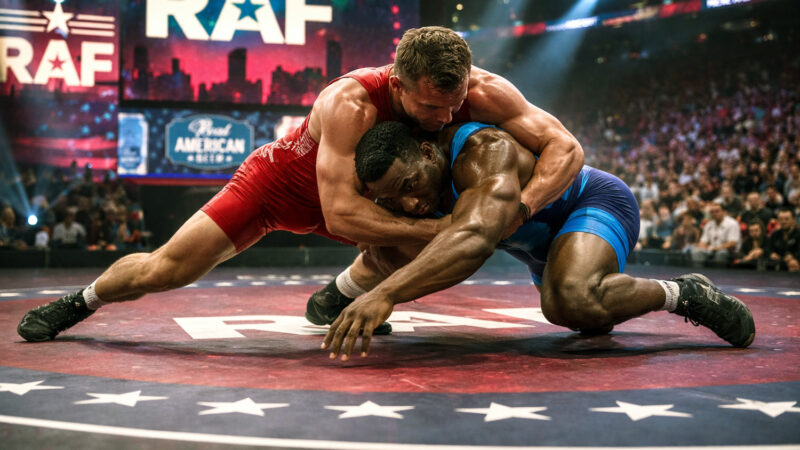
- Physical compression: Clinch work and grappling restrict chest expansion
- Psychological stress: Adrenaline spikes disrupt normal breathing patterns
Unlike steady-state endurance sports (e.g., distance running), MMA constantly alternates between maximal exertion and brief recovery windows. This makes breath control-not just cardiovascular capacity-a decisive factor in performance.
Correcting Breathing Patterns: Practical and Evidence-Based Methods
Improving breathing is not about increasing volume alone; it is about timing, control, and consistency under stress.
1. Exhalation During Effort
A fundamental principle across combat sports is synchronized breathing with movement:
- Exhale with each strike using a short, controlled burst (e.g., a sharp “hoo”)
- Avoid prolonged or forceful exhalation that wastes energy
Why it works:
- Maintains continuous oxygen exchange
- Prevents internal pressure buildup
- Reduces unnecessary muscle tension
2. Controlled Inhalation Between Exchanges
Recovery phases, even if brief, must be used efficiently:
- Inhale through the nose when possible to regulate airflow
- Keep breaths steady and diaphragmatic rather than shallow
Key benefit:
Faster restoration of oxygen levels without over-breathing, which can destabilize CO₂ balance.
3. Breathing Under Pressure
Athletes often fail to breathe properly when defending or absorbing pressure. Training must address this directly:
- Maintain rhythmic breathing during clinches or defensive movements
- Avoid instinctive breath holding when bracing for impact
Result:
Sustained endurance even in physically restrictive positions.
4. Developing CO₂ Tolerance
An often overlooked factor is the body’s tolerance to elevated carbon dioxide levels. Higher tolerance allows athletes to remain calm and efficient even when breathing is challenged.
Methods include:
- Controlled breath-hold drills in training (under supervision)
- Nasal breathing during low-intensity workouts
- Gradual exposure to high-intensity intervals with regulated breathing
Outcome:
Improved efficiency of oxygen utilization and delayed onset of fatigue.
Conclusion: Breathing as a Performance Multiplier
The misconception that fatigue is primarily a cardiovascular limitation persists across many sports. However, evidence from physiology and real-world performance-particularly in MMA-demonstrates that breathing mechanics play a critical role.
Proper breathing:
- Enhances oxygen delivery and energy efficiency
- Reduces unnecessary muscular tension
- Preserves cognitive function under stress
- Extends effective performance duration
For athletes, the implication is clear: improving endurance is not solely about running longer or training harder. It requires deliberate control of respiration in both training and competition.
In high-intensity environments where margins are minimal, breathing is not a secondary skill-it is a foundational determinant of performance.