Bio-design is emerging as one of the most significant shifts in contemporary art and design, redefining how materials are created, used, and understood. At its core, bio-design integrates biology, technology, and creativity, using living or biologically derived materials to produce artworks that can grow, adapt, and sometimes even decompose. This approach challenges traditional ideas of permanence, authorship, and the relationship between humans and nature.
What Is Bio-Design?
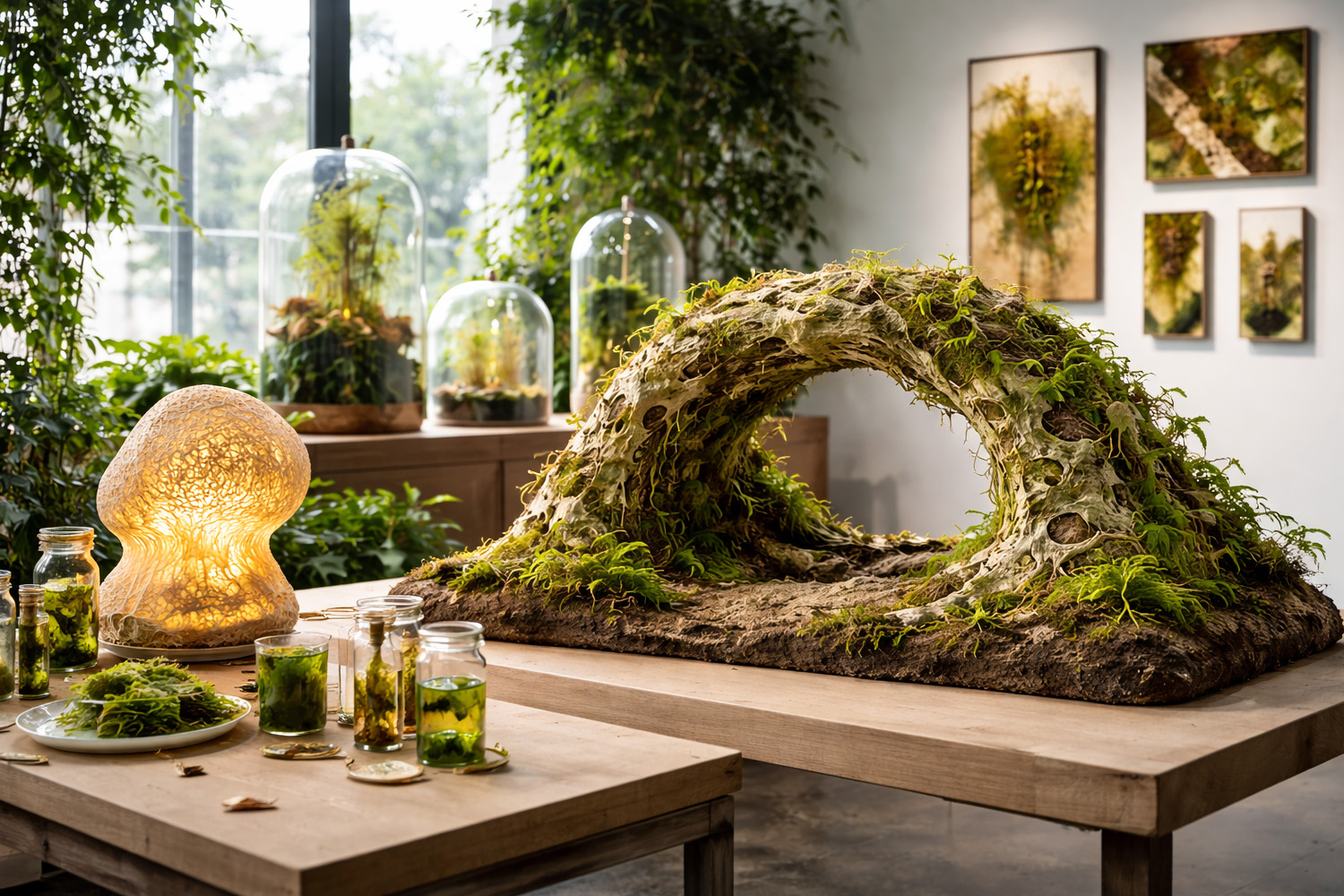
Bio-design refers to design practices that work with biological processes rather than against them. Artists and designers collaborate with microorganisms, plants, fungi, algae, and bacteria to create materials and forms. Instead of relying solely on industrial production, bio-design often involves cultivation, fermentation, or growth, making biology an active participant in the creative process.
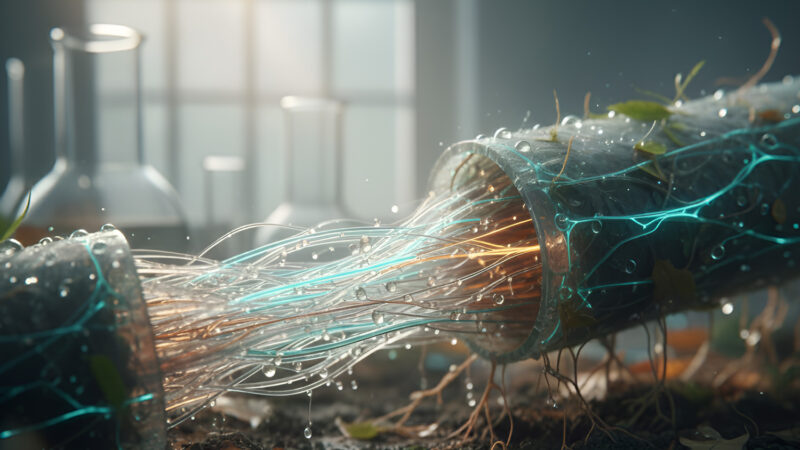
Living materials used in art include mycelium (the root structure of fungi), bacterial cellulose, algae-based polymers, and bio-pigments. These materials are valued not only for their aesthetic qualities but also for their lower environmental impact compared to conventional plastics, synthetic dyes, and construction materials.
How Living Materials Are Changing Artistic Practice
Living materials introduce time and transformation as essential components of art. A bio-designed artwork may evolve in appearance, texture, or structure long after it is exhibited. This dynamic quality shifts art from being a static object to a living system, encouraging audiences to consider growth, decay, and regeneration as part of the artistic experience.
Many artists use bio-design to explore themes such as climate change, sustainability, and the ethics of biotechnology. By working with organisms, they highlight the interconnectedness of human activity and natural ecosystems. In some cases, artworks are designed to biodegrade completely, leaving no permanent physical trace and questioning the traditional notion of art as something meant to last forever.
Sustainability and Environmental Impact
One of the strongest drivers behind bio-design is sustainability. Living materials often require less energy to produce and generate fewer emissions than traditional industrial materials. For example, mycelium-based structures can be grown using agricultural waste, while bacterial cellulose can be cultivated with minimal resources.
In the art world, this has led to a growing interest in environmentally responsible creation. Bio-design allows artists to experiment with materials that align with circular economy principles, where resources are reused, regenerated, or safely returned to nature at the end of their life cycle.
Technology, Science, and Collaboration
Bio-design sits at the intersection of art, science, and engineering. Many bio-artists collaborate with biologists, material scientists, and research laboratories to develop new processes and materials. Advances in biotechnology, synthetic biology, and digital fabrication have made it easier to control growth patterns and material properties, expanding the creative possibilities of living systems.
These collaborations blur the boundaries between disciplines, positioning artists not only as creators but also as researchers and experimenters. The studio increasingly resembles a laboratory, where observation, testing, and iteration are central to the creative process.
The Future of Bio-Design in Art
As biotechnology continues to advance, bio-design is expected to play a larger role in shaping the future of art and design. Living materials open new aesthetic languages while addressing urgent global concerns such as environmental degradation and resource scarcity. Museums, galleries, and design institutions are showing growing interest in bio-art, signaling wider recognition of its cultural and conceptual importance.
In the long term, bio-design may redefine how art is produced, displayed, and preserved. By embracing living materials, artists are not only reshaping visual culture but also proposing new ways of thinking about sustainability, responsibility, and humanity’s relationship with the natural world.
Bio-design is more than a trend-it represents a fundamental shift toward art that is alive, responsive, and deeply connected to the ecosystems it inhabits.