Sweet dishes hold a special place on New Year’s tables around the world. Beyond their taste, many traditional desserts are rich in symbolism, representing good luck, prosperity, sweetness in life, and protection from misfortune. These confections are often prepared only once a year and passed down through generations as part of festive tradition.
Gingerbread – Central and Northern Europe
Gingerbread is a classic New Year and winter holiday sweet in countries such as Germany, the Czech Republic, Poland, and the Nordic states. Made with spices like ginger, cinnamon, and cloves, gingerbread historically symbolized warmth, protection, and well-being during the cold months. Its long shelf life also made it a symbol of preparedness and continuity into the new year.
Gozinaki – Georgia
In Georgia, gozinaki is one of the most iconic New Year sweets. Made from caramelized honey and walnuts, gozinaki represents abundance, strength, and prosperity. Walnuts symbolize longevity and resilience, while honey stands for sweetness and harmony in the coming year. Traditionally, gozinaki is prepared at home and shared with guests, reinforcing its role as a symbol of hospitality.
Nougat and Torrone – Southern Europe
In Italy, Spain, and parts of France, nougat (torrone or turrón) is closely associated with New Year celebrations. Made from honey, sugar, egg whites, and nuts, it symbolizes unity and prosperity, as individual ingredients are bound together into a solid whole. Nougat is often gifted, emphasizing generosity and shared fortune.
Marzipan – Germany and Austria
Marzipan, made from ground almonds and sugar, is commonly shaped into fruits, pigs, or coins during New Year festivities. Almonds were historically considered symbols of fertility and good luck, while the sweetness of marzipan reflects hopes for a pleasant year ahead.
Honey Cakes – Eastern Europe and the Caucasus
Honey-based cakes are widespread in Eastern Europe and neighboring regions. Honey has long symbolized health, longevity, and divine favor, making these cakes a fitting dessert for welcoming a new beginning.
Rice Cakes and Sweet Dumplings – East Asia
In countries such as Japan and Korea, sweet rice-based desserts appear during New Year celebrations. Rice symbolizes life, prosperity, and renewal, and its sticky texture represents family unity and togetherness.
Sweet Breads and Festive Cakes – Worldwide
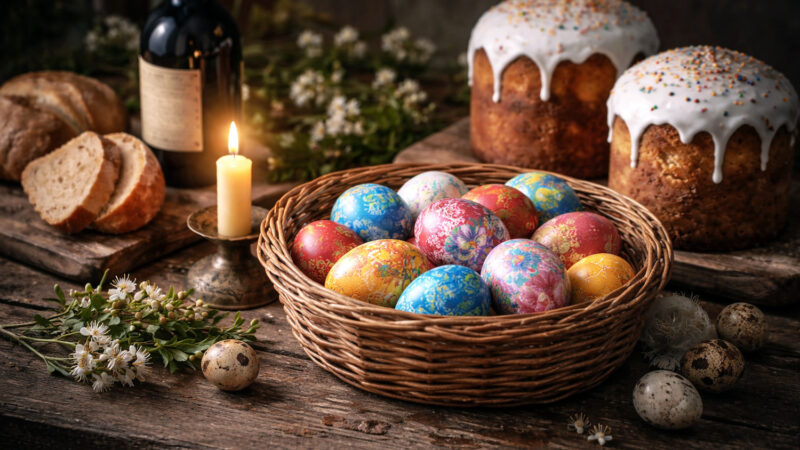
From ring-shaped cakes in Europe to fruit-filled loaves elsewhere, New Year sweet breads are common across cultures. Their circular or braided forms often symbolize continuity, eternity, and shared destiny, while added fruits and sugar represent abundance.
A Living and Evolving Tradition
It is important to note that we cannot say with certainty how widely or strictly these sweet traditions are still practiced today. In many cases, they continue as family customs or cultural symbols rather than formal rituals. Still, these desserts remain widely shared and remembered among people, adding sweetness, symbolism, and a sense of continuity to New Year celebrations across the world.