Cities don’t just compete in culture and finance – many now compete in how clean and low-carbon they can be. Below is a list of five major cities that stand out in the mid-2020s for low CO₂ footprints and strong ecological policies, along with the technologies and strategies behind their success.
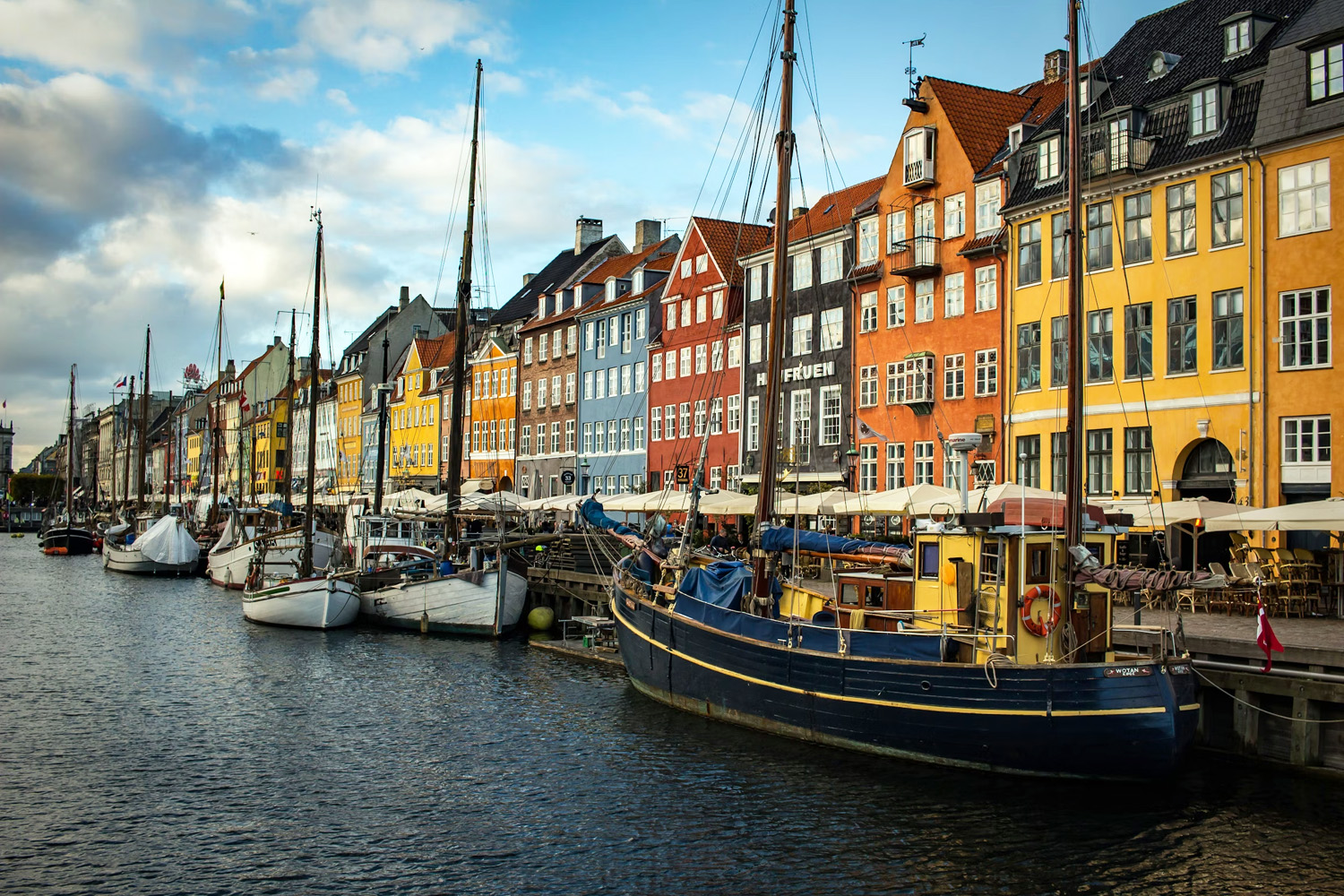
1) Copenhagen, Denmark – Nordic frontrunner for ultra-low CO₂
Why it’s on the list: Copenhagen has pursued one of the most ambitious urban climate plans in the world. The city’s CPH climate programme has driven dramatic cuts in city emissions and positioned Copenhagen as a candidate for one of the first climate-neutral capitals. The city reports a fall in per-capita CO₂ from ~4.7 tCO₂e (2010) to ~1.3 tCO₂e in 2022 and projects below 1.0 tCO₂e by 2025 through continued measures.
Key achievements & tech:
- World-class cycling infrastructure (high modal share reduces transport emissions).
- District heating networks, increasingly electrified heat pumps and waste-to-energy plants (e.g., Amager Bakke) that combine waste management with energy recovery.
- Aggressive energy efficiency and building retrofit programmes, plus large investments in urban nature and green mobility.
Interesting stat: Copenhagen claims a >70% reduction in city CO₂ vs its 2005 baseline in core accounting categories – a major urban decarbonization success story.
2) Helsinki, Finland – Rapid cuts and a clear carbon-neutral timetable
Why it’s on the list: Helsinki aims to be carbon-neutral by 2030, and recent municipal reporting shows large year-on-year reductions: in 2024 Helsinki reported direct per-capita emissions of about 2.4 tCO₂e, down markedly from earlier decades. The city pairs ambitious targets with measurable progress.
Key achievements & tech:
- Electrification of district heating and increased deployment of renewables plus large heat-pump systems.
- Public-transport electrification, tram and rail investments and policies that discourage fossil-fuel car use.
- Nature-based solutions and urban planning that reduces commute distances and integrates green corridors.
Interesting stat: Helsinki reports emissions cuts in the order of >50% vs 1990 on many measures – evidence that coordinated municipal action can deliver rapid declines.
3) Reykjavík, Iceland – Renewable electricity and heat, small-city advantages
Why it’s on the list: Reykjavík (and Iceland broadly) is notable for using nearly 100% renewable electricity and almost all heating from geothermal sources – an enormous advantage for low-carbon urban energy. The city’s 2024 community greenhouse-gas inventory reported ~614,000 tCO₂e total emissions; divided by Reykjavík’s ~131,000 population yields roughly 4.7 t CO₂e per person – higher than Nordic peers when industrial and waste sectors are counted, but the city benefits from near-zero carbon energy for buildings and power and a strong climate action plan aiming for carbon neutrality by 2040.
Key achievements & tech:
- Geothermal heating for nearly all buildings (virtually eliminates fossil heat).
- High share of renewable electricity (hydro + geothermal).
- Active plans to reduce transport and waste emissions and to decarbonize industry and aviation-related activity.
Interesting stat: Despite clean electricity and heat, Icelandic municipal emissions are heavily influenced by industrial activities and waste management – a reminder that city-level energy profiles must be read alongside local industry structures.
4) Zürich, Switzerland – sensors, net-zero targets and urban measurement
Why it’s on the list: Zürich has high citizen support for aggressive municipal targets (net-zero direct emissions by 2040), a sophisticated sensor network to measure urban CO₂ in real time, and strong policies on building energy performance and low-carbon transport. The city is deploying hi-tech monitoring to track progress and guide policy.
Key achievements & tech:
- City-scale CO₂ sensor networks (ZiCOS-M) to precisely monitor urban emissions and identify hotspots.
- Ambitious referendum-backed net-zero targets and programs to decarbonize buildings, transport and municipal operations.
- High recycling rates, efficient public transport and incentives for electric mobility.
- Interesting stat: Zürich’s sensor projects (multi-site networks) provide granular daily CO₂ increment data – a cutting-edge model for other cities seeking measurement-driven decarbonization.
5) Oslo, Norway – bold targets and transport electrification
Why it’s on the list: Oslo has adopted some of the most ambitious short-term urban reduction targets in Europe – aiming to cut direct emissions ~95% by 2030 vs 2009 levels. The city’s climate budgets lay out measurable reductions for 2025 and beyond, and Oslo has moved fast on electrifying public transport and limiting fossil-fuel vehicle access.
Key achievements & tech:
- Electrified public transit and strong adoption of electric private vehicles through incentives and urban policy.
- Zero-emission procurement for public construction and a package of measures to decarbonize buildings and heavy transport.
- Participation in C40 and city-level innovation projects to pilot low-carbon construction and local carbon removal.
Interesting stat: Oslo’s climate budget projects tens of thousands of tonnes of CO₂e reductions in the 2025–2028 window from adopted municipal measures – concrete near-term action rather than distant promises.
Common Technologies & Policies Behind Success
Across these five cities the same policy and technology patterns reappear:
- Electrification of heat and power: district heating (Copenhagen), geothermal (Reykjavík), and heat pumps (Helsinki).
- Transport transformation: strong public transport, high electric-vehicle uptake, bicycle infrastructure (Copenhagen) and low-emission zones (Oslo).
- Real-time measurement and targets: sensor networks and ambitious net-zero pledges (Zürich) that make progress measurable and policy actions targeted.
- Waste-to-energy and circular systems: integrated waste energy recovery (e.g., Amager Bakke in Copenhagen) and higher recycling rates.
What the Numbers Mean – caveats and context
- Per-capita figures are sensitive to scope. Some cities report direct municipal emissions only while others include consumption-based or industrial emissions. That can make a city with low energy emissions but heavy industry (or high tourism) appear comparatively worse.
- Small-city vs. big-city dynamics. Smaller capitals with clean grids (Reykjavík) can reach very low emissions for buildings/electricity but still face higher per-capita totals if local industry or waste sectors are large.
Takeaway
Leading large cities combine ambitious targets, measurable sensor data, electrified energy & transport systems, and circular-economy approaches to cut CO₂ and improve ecological quality. Copenhagen, Helsinki, Reykjavík, Zürich and Oslo show that aggressive municipal policy, paired with technical investment, can deliver measurable and sustained emissions reductions – but the exact success depends on how emissions are measured and the city’s industrial profile.