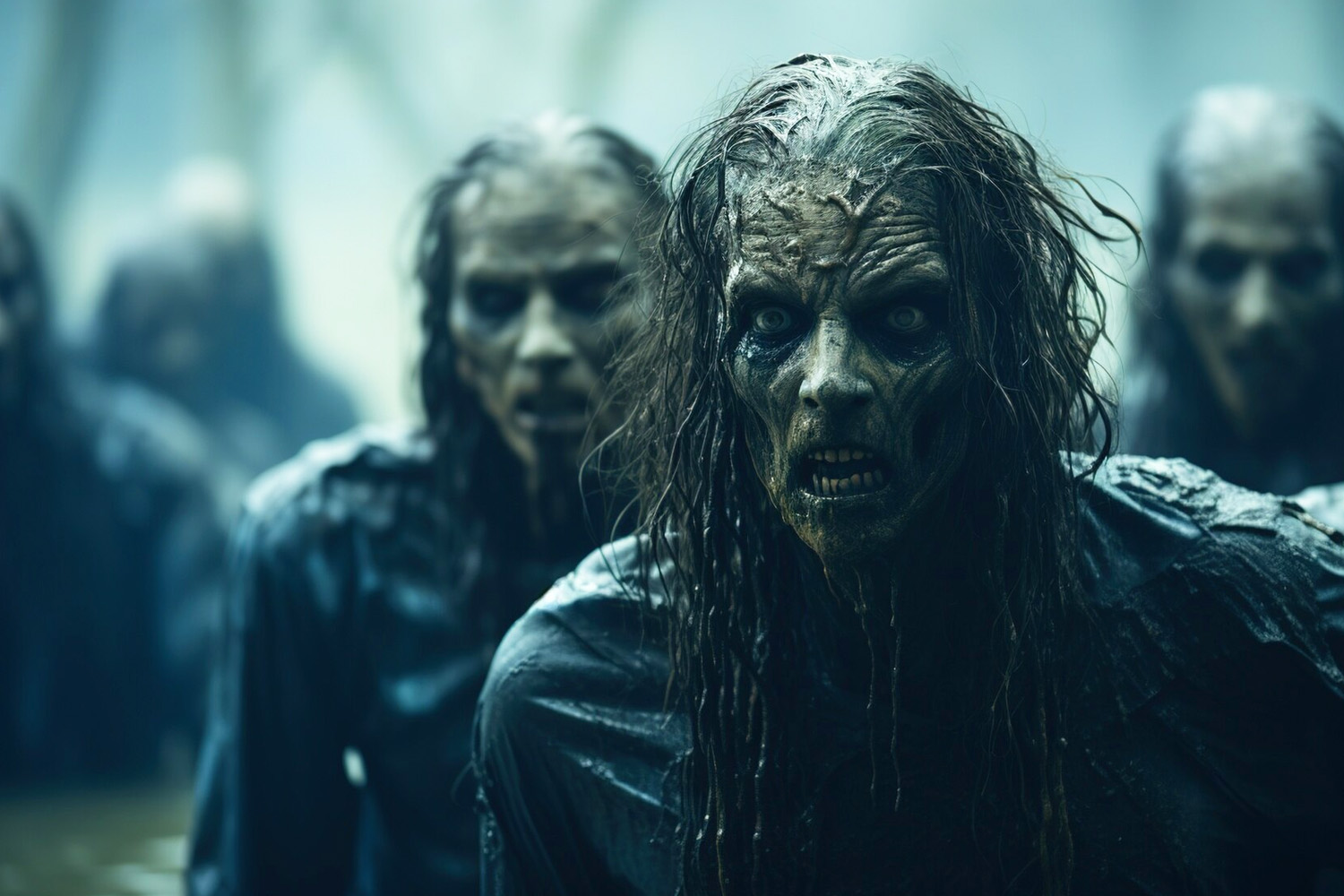
Horror movies remain one of the most enduring and profitable genres in global cinema, attracting millions of viewers every year. Despite their frightening themes, people continue to seek them out – and psychology offers clear explanations for why the feeling of fear can be so enjoyable.
1. The Safe Thrill Effect
One of the main reasons we enjoy horror is that it provides a controlled fear experience. Viewers feel the rush of danger without being in actual danger. The brain reacts with heightened alertness, releasing adrenaline and endorphins – chemicals that can create excitement, pleasure and relief when the tension passes.
This “safe scare” makes horror films similar to rollercoasters: intense, thrilling and safe at the same time.
2. Emotional Release and Stress Relief
Psychologists note that horror can serve as a form of catharsis. Experiencing fear in a fictional setting allows people to release built-up stress and anxiety. After the climax of a horror scene, the body relaxes, creating a feeling of emotional balance.
For some viewers, this emotional cycle becomes a powerful form of psychological release.
3. Curiosity About the Unknown
Humans are naturally drawn to mystery and the unfamiliar. Horror taps into this curiosity by exploring themes surrounding the supernatural, the unexplainable and extreme human behavior. These stories activate the brain’s problem-solving regions, encouraging viewers to anticipate what will happen next.
4. Social and Shared Experience
Watching horror movies together is a bonding activity. Feeling fear in a group can strengthen connections, create shared memories and increase overall enjoyment. This is one reason horror films perform especially well in theaters.
5. Testing Personal Limits
Many fans enjoy horror because it allows them to measure their emotional resilience. Finishing a disturbing or intense film can create a sense of accomplishment, boosting confidence and self-esteem. Over time, this can make viewers more comfortable handling stressful situations in real life.
6. The Brain’s Reward System
Studies in neuroscience show that when fear subsides, the brain triggers a reward response. The relief after tension heightens the positive feelings that follow. This emotional contrast – fear followed by relief – is one of the core psychological mechanisms behind the popularity of horror.
Why It Matters
Understanding why horror appeals to us helps explain its lasting cultural influence. The genre doesn’t simply aim to frighten – it offers emotional release, excitement, curiosity and connection. Horror movies tap into universal human instincts, making them a powerful and enduring form of storytelling.