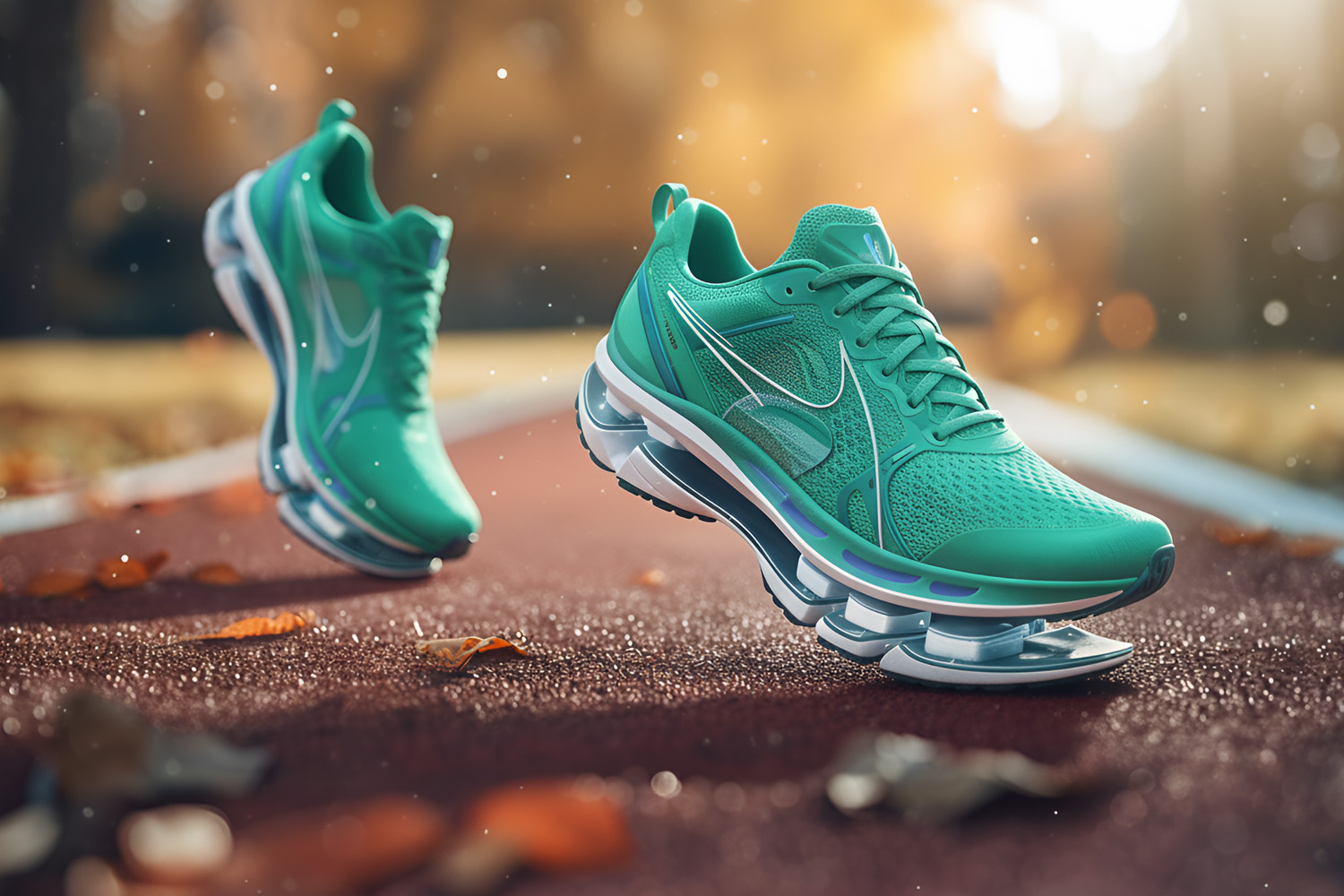
Over the past few decades, running shoes have transformed dramatically. What began as simple rubber soles and foam midsoles has evolved into highly engineered performance machines, underpinned by advanced materials, biomechanics, and even carbon-fibre plates. These innovations have not only redefined how shoes feel, but also how fast elite athletes can run – raising new debates about fairness and “technological doping.” Below is a look at the major brands, the signature technologies they’ve developed, what those technologies do, and how much performance they can deliver.
Key Technologies & Brands
Adidas
- Boost (TPU Pellets): Adidas’ signature Boost midsole is made of thermoplastic polyurethane (TPU), processed into small pellets that are molded together.
- Why It Matters: Boost is more resilient than traditional EVA foam – testing shows it can return up to 80% of the energy put in.
- Efficiency Gains: According to lab tests, Boost improved running economy by about 1% in some prototypes.
- Historical Example: In the 2014 Berlin Marathon, Dennis Kimetto wore Adidas Adizero Adios Boost 2 and broke the 2:03 barrier – a milestone linked in part to the energy return of Boost.
Nike
- ZoomX Foam + Carbon-Fiber Plate (Vaporfly/Alphafly): Nike’s super-shoe revolution began with the Vaporfly, which pairs ultra-light ZoomX foam with a full-length carbon-fibre plate. The ZoomX returns about 85% of energy, compared to 60–65% in earlier foams.
- Performance Gains: Studies (e.g., Hoogkamer et al.) suggest that this combination improves running economy (oxygen cost) by around 4%, which can translate to minutes shaved off marathon times.
- Real-World Impact: According to research published by scientists, elite women gained between 1.7%–2.3% faster times in Vaporfly-type shoes, equating to about 2 minutes 10 seconds on a marathon.
- Controversy: The performance boost sparked scrutiny. World Athletics introduced regulations in 2020: shoe stack height capped at 40 mm and only one rigid plate allowed.
Asics
While Asics is not typically credited with the same carbon-plate hype as Nike or Adidas, it has long pioneered gel-based cushioning (GEL) to absorb impact and protect joints. Their continued focus on ergonomics, fit, and traditional comfort technology has made them a staple for many runners who prioritize injury prevention over marginal gains.
Puma
- Nitro Foam + Carbon Plate: More recently (2025), Puma introduced the Fast-R Nitro Elite 3, combining nitrogen-infused “Nitro” foam with a full-length carbon plate.
- Performance Gains: Independent lab testing found about 3.5% better running efficiency compared to top-tier rivals – translating into measurable time savings.
Other Brands / Innovations
- Carbon-plate shoes in general: The integration of carbon fibre plates – commonly called “super shoes” or “carbon shoes” – is now standard at the elite level, with many brands jumping on board.
- Smart / Adaptive Shoes: Earlier experiments, such as the Adidas 1, used onboard sensors and micro-motors to automatically adjust cushioning.
Why These Advances Matter
- Improved Running Economy: Better energy return and plate stiffness mean that runners use less oxygen to maintain speed – translating into faster times.
- Record Breakers: Shoes like Nike’s Vaporfly have contributed to record-breaking marathon performances (e.g., huge improvements at major marathons).
- Regulatory Debate: Governing bodies such as World Athletics have had to step in to set limits on how much technology is “fair,” raising the question: where’s the line between innovation and unfair advantage?
- Injury & Impact: Modern foam technologies also help reduce impact force, potentially lowering injury risk compared to running barefoot or in earlier-generation shoes.
Looking Ahead
The evolution of running shoes continues, as manufacturers refine foam compounds, plate designs, and upper materials. We’re now seeing a mix of race-specific “super shoes,” durable training shoes, and even adaptive models. As competition intensifies – not just among runners but among shoe brands – we can expect further advances. But with every leap forward comes scrutiny: regulators, athletes, and fans alike will continue to debate where innovation ends and unfair enhancement begins.