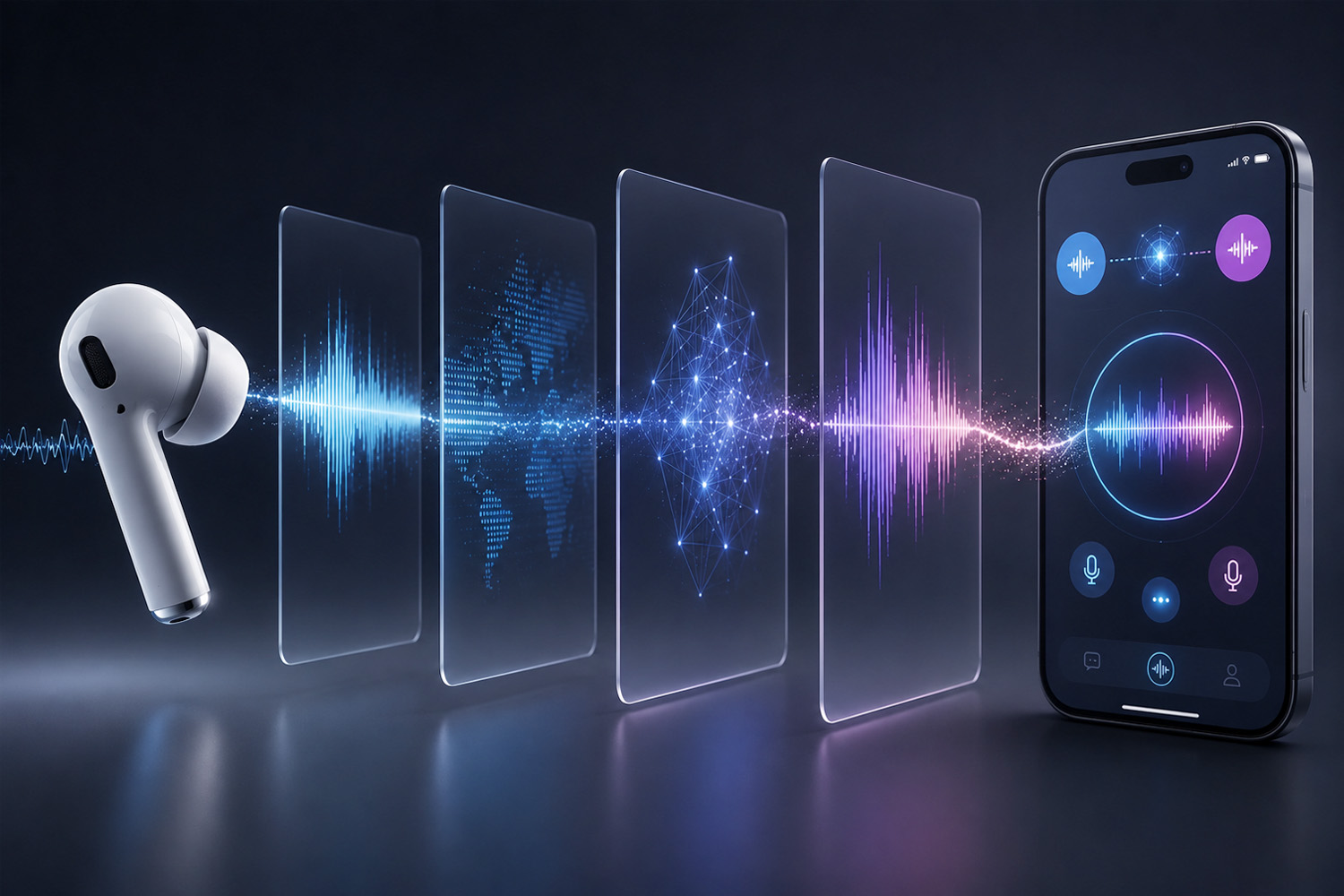
Why Translation Is Becoming Core AI Infrastructure
For most of the internet era, language remained one of the greatest obstacles to truly global mobility. Flights became cheaper, digital maps eliminated navigation challenges, and online booking platforms made international travel accessible to billions of people. Yet communication itself still depended largely on learning foreign languages, hiring interpreters, or accepting frequent misunderstandings.
That reality is changing rapidly-not because translation algorithms suddenly became perfect, but because multiple technological revolutions have converged at the same time.
Over the past five years, breakthroughs in neural machine translation, transformer-based AI models, smartphone processors, multimodal artificial intelligence, cloud infrastructure, and edge computing have fundamentally changed what translation software can achieve. Translation applications are no longer simple dictionaries that convert words between languages. They have become intelligent communication systems capable of listening, understanding context, recognizing visual information, generating natural speech, and increasingly operating directly on personal devices without constant internet connectivity.
The transformation extends well beyond tourism. AI translation is becoming part of the underlying infrastructure of modern computing, embedded into operating systems, enterprise collaboration software, wearable devices, and digital assistants. The same technological foundations enabling multilingual conversations are also reshaping how computers process human language in general.
Understanding why requires examining not only the latest products but also the architectural evolution behind them.
From Statistical Translation to Neural Intelligence
The first generation of digital translation systems relied primarily on statistical machine translation (SMT). Rather than understanding language, these systems analyzed enormous collections of bilingual documents to estimate the most probable translation of individual words and phrases.
Google Translate’s early versions, introduced in the mid-2000s, represented one of the largest implementations of this approach. While revolutionary for its time, statistical translation often produced awkward sentence structures, struggled with grammar, and failed to preserve contextual meaning.
The breakthrough came with Neural Machine Translation (NMT).
Instead of translating word by word, NMT processes entire sentences using artificial neural networks trained on vast multilingual datasets. The introduction of the Transformer architecture by Google researchers in 2017 accelerated this transition dramatically. Transformers enabled AI systems to understand relationships between words regardless of their position within a sentence, making translations more fluent and context-aware.
Today, virtually every major translation platform-including Google Translate, Microsoft Translator, DeepL, and many enterprise AI systems-relies on transformer-based neural architectures.
This shift marked a fundamental change in philosophy. Translation was no longer treated as replacing words but as interpreting meaning.
2024-2026: AI Translation Entered a New Era
The latest wave of innovation is not simply about improving translation accuracy. Instead, language translation has become one component of broader AI ecosystems built around large language models (LLMs), multimodal reasoning, and edge computing.
Rather than functioning as standalone apps, translation capabilities are increasingly integrated across smartphones, operating systems, productivity software, and AI assistants.
This represents one of the biggest structural changes in consumer AI.
Google Is Combining Translation with Multimodal AI
Google remains the world’s largest provider of machine translation, but its strategy has shifted significantly.
Instead of treating Google Translate as an isolated application, the company increasingly integrates translation throughout its AI ecosystem powered by Gemini models.
Recent developments include:
- Gemini-powered contextual translation, improving the interpretation of longer conversations and complex sentence structures.
- Live Translate on Pixel smartphones, allowing real-time translation of phone calls, messaging apps, and conversations.
- Circle to Search, enabling users to instantly translate text displayed anywhere on a smartphone screen without switching applications.
- Gemini Live, which supports increasingly natural multilingual conversations with voice interaction.
- AI-assisted multilingual search results that help users understand content published in foreign languages.
Google’s broader strategy illustrates an important architectural trend: translation is becoming an operating system capability rather than a standalone destination.
Apple Is Prioritizing On-Device Intelligence
Apple has approached AI translation differently.
With the introduction of Apple Intelligence, the company is embedding AI-powered translation directly into core communication services such as Messages, FaceTime, and Phone. Live Translation enables conversations across languages while processing much of the AI workload on-device using Apple Silicon and the Neural Engine.
This architecture provides several advantages:
- reduced latency,
- improved privacy,
- offline functionality for many tasks,
- lower dependence on cloud infrastructure.
Apple’s emphasis reflects a broader industry trend toward edge AI, where increasingly capable processors allow smartphones to perform sophisticated AI inference locally rather than sending every request to remote servers.
Samsung Is Integrating AI Throughout Mobile Communication
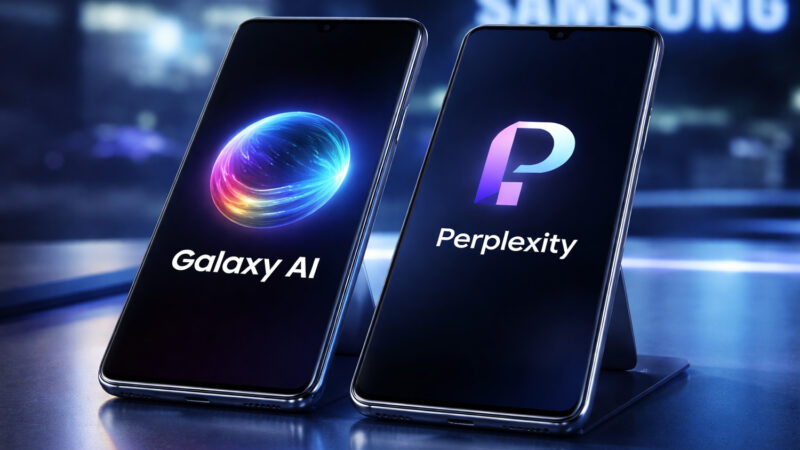
Samsung has transformed its Galaxy smartphones into multilingual communication platforms through Galaxy AI.
Its ecosystem includes:
- Live Translate for real-time phone call translation,
- Interpreter Mode for face-to-face multilingual conversations,
- Writing Assist for translating and refining text,
- Call Assist powered by on-device AI.
Samsung’s strategy relies heavily on dedicated Neural Processing Units (NPUs) integrated into modern Exynos and Snapdragon chipsets.
Unlike earlier cloud-dependent translation services, many Galaxy AI functions operate directly on the device, reducing delays while improving user privacy.
The company demonstrates how advances in semiconductor design increasingly determine software capabilities.
Microsoft Is Bringing Translation into Enterprise Collaboration
Translation technology is no longer limited to consumer travel.
Microsoft has integrated multilingual AI throughout its productivity ecosystem.
Microsoft Teams now supports increasingly sophisticated live captions and multilingual meeting translation, while Microsoft Translator remains deeply connected with Office applications and enterprise communication platforms.
As Microsoft’s Copilot ecosystem expands, language understanding is becoming part of broader workplace automation rather than a separate software category.
This evolution highlights another important trend: translation is becoming infrastructure for global collaboration.
OpenAI Is Expanding the Role of Conversational Translation
Large language models have changed expectations for multilingual communication.
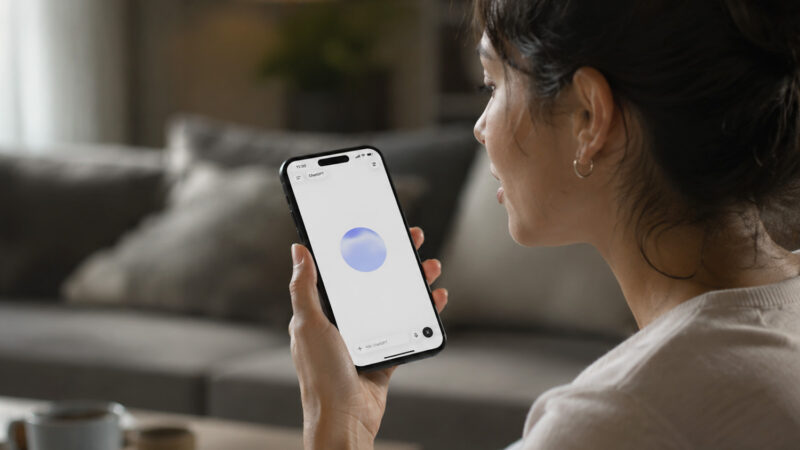
Unlike conventional translation engines, ChatGPT’s Advanced Voice Mode can engage in natural multilingual conversations while interpreting user intent rather than simply replacing one sentence with another.
This distinction matters.
Traditional neural translation systems optimize linguistic accuracy between two languages.
Large language models optimize communication itself.
They can clarify ambiguous statements, preserve conversational tone, explain unfamiliar cultural references, and maintain context across extended discussions.
While specialized translation engines remain more efficient for straightforward language conversion, LLMs increasingly complement them where contextual reasoning adds value.
DeepL Continues to Lead in Translation Quality
Despite intense competition from AI giants, DeepL has maintained a strong reputation among businesses, researchers, and professional users.
Its success illustrates an important engineering principle.
Large language models are not automatically superior for every language task.
DeepL focuses specifically on translation optimization using highly specialized neural models trained for linguistic precision.
For legal documents, technical writing, academic research, and business communication, specialized architectures often produce more consistent results than general-purpose conversational AI.
The company’s continued growth demonstrates that specialization remains valuable even in the age of foundation models.
AI Wearables Are Creating New Translation Platforms
Perhaps the most significant emerging trend is the movement beyond smartphones.
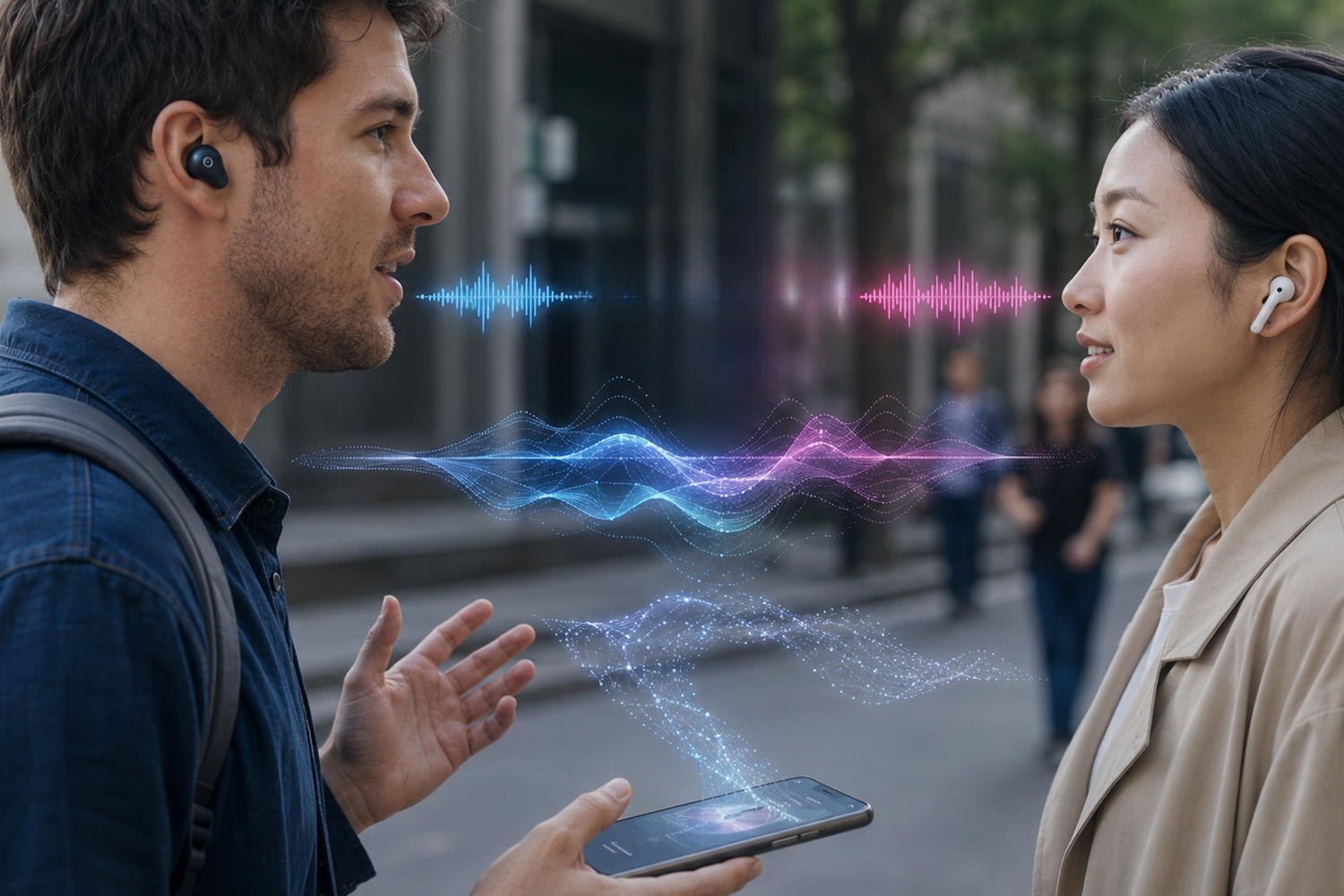
Translation increasingly appears in wearable devices designed for continuous multilingual interaction.
Examples include:
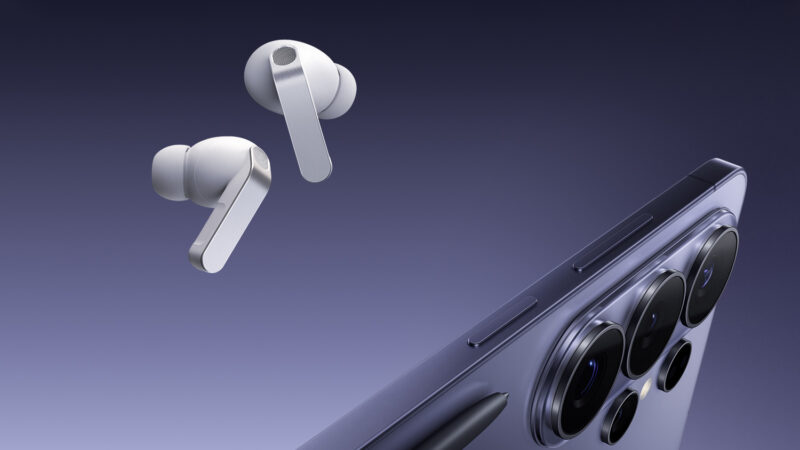
- Google Pixel Buds, offering real-time speech translation integrated with Google Translate.
- Samsung Galaxy Buds, working alongside Galaxy AI features.
- Timekettle translation earbuds, specifically engineered for multilingual conversations.
- Huawei and Xiaomi, which continue integrating AI-powered translation into smart devices across Asian markets.
- Meta’s Ray-Ban smart glasses, which have introduced live translation capabilities for supported languages, allowing users to hear translated speech while viewing the world naturally.
These devices represent a shift from application-based translation toward ambient computing, where AI operates continuously in the background without requiring users to actively open translation software.
Hardware Has Become as Important as Software
The rapid improvement of translation applications is closely linked to advances in semiconductor technology.
Modern AI translation depends heavily on specialized processors capable of running neural networks efficiently.
Key platforms include:
- Apple’s Neural Engine
- Google’s Tensor processors
- Qualcomm Snapdragon platforms with dedicated AI engines
- MediaTek Dimensity chipsets
- AMD Ryzen AI processors
- Intel Core Ultra AI PCs
- NVIDIA edge AI technologies for robotics and embedded systems
These chips accelerate speech recognition, neural translation, and language generation while minimizing battery consumption.
As AI hardware improves, more translation workloads migrate from cloud servers to personal devices.
This architectural transition reduces latency, enhances privacy, lowers cloud operating costs, and improves accessibility in regions with unreliable internet connectivity.
Remaining Technical Challenges
Despite remarkable progress, AI translation remains far from perfect.
Several engineering constraints continue shaping future development.
Low-resource languages remain difficult because AI models require enormous volumes of high-quality bilingual training data.
Cultural nuance remains challenging. Humor, idioms, sarcasm, and historical references often require contextual interpretation beyond literal translation.
Domain-specific terminology in medicine, engineering, law, and science still benefits from specialized translation models trained for particular industries.
Privacy also remains a growing concern. Voice conversations frequently contain personal information, encouraging developers to perform more processing locally rather than transmitting audio to cloud infrastructure.
Finally, balancing model size with smartphone battery life continues to influence mobile AI design.
These constraints explain why the industry increasingly combines cloud intelligence with efficient on-device inference instead of relying exclusively on either approach.
Translation Is Becoming a Native Computing Capability
The broader significance of AI translation extends well beyond tourism.
Translation is gradually following the same path as GPS, voice recognition, and cloud synchronization-transitioning from standalone software into a core operating system capability.
Developers increasingly access translation through platform APIs rather than building independent language engines. AI assistants can summarize multilingual documents, browsers translate web pages automatically, enterprise software supports multilingual collaboration, and wearable devices provide real-time conversational assistance.
At the same time, advances in multimodal AI allow systems to combine speech, text, images, and visual context into a unified understanding of communication. A traveler can now point a smartphone at a restaurant menu, speak naturally to a waiter, receive translated audio through earbuds, and ask an AI assistant for dietary recommendations-all within a single integrated workflow.
This convergence demonstrates that translation is no longer an isolated feature. It is becoming a foundational layer of intelligent computing.
Conclusion
The evolution of translation apps reflects one of the most important transformations in artificial intelligence. What began as cloud-based word substitution has matured into a distributed ecosystem powered by neural machine translation, transformer architectures, large language models, specialized AI processors, and multimodal reasoning.
Companies including Google, Apple, Samsung, Microsoft, OpenAI, DeepL, Meta, Huawei, Xiaomi, and Timekettle are pursuing different strategies, yet they share a common objective: making multilingual communication seamless, immediate, and deeply integrated into everyday digital experiences.
As edge AI hardware becomes more powerful and language models continue improving, translation is steadily disappearing into the background of computing itself. Rather than opening a dedicated app to overcome language barriers, users are increasingly interacting with devices that understand, interpret, and translate the world around them in real time. That shift makes AI translation more than a travel convenience-it positions language understanding as a fundamental capability of the next generation of computing.