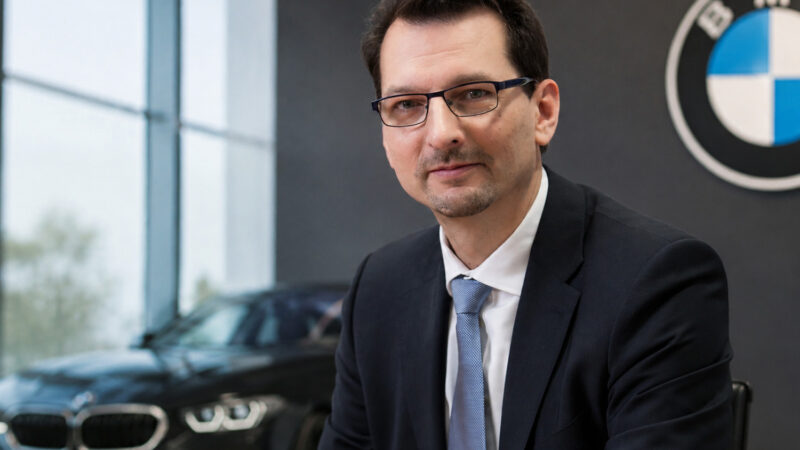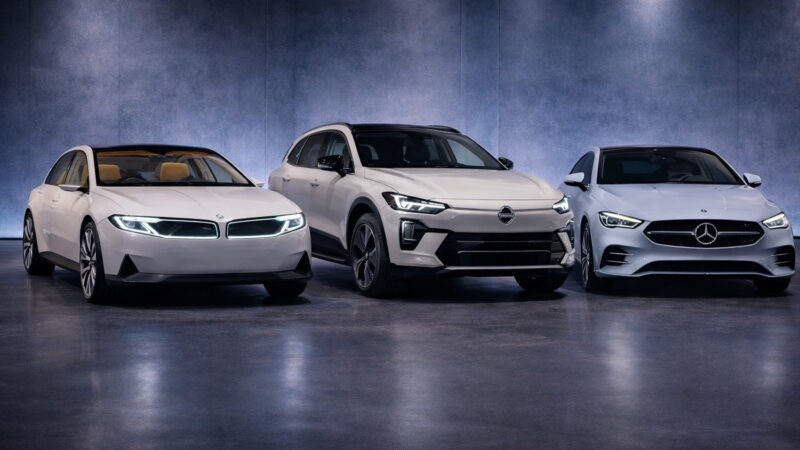
In 2025, BMW has reaffirmed its commitment to sustainable mobility and circular design, moving closer to its long-term vision of a fully recyclable vehicle. At the BMW Group Annual Conference in Munich (March 2025), Chairman Oliver Zipse called the company’s Neue Klasse project “the biggest future-focused initiative in BMW’s history,” marking the transition from concept to large-scale implementation of recyclable materials and closed-loop production.
The company’s sustainability roadmap includes a 90% reduction in CO₂ emissions by 2050 compared to 2019, with significant progress already evident. BMW’s factories reported a decrease in non-reusable waste to just 1.68 kg per vehicle in 2024, down from 2.12 kg the previous year. This is a direct result of the brand’s “Design for Circularity” approach – engineering vehicles from the start with recycling, reuse, and material recovery in mind.
A key highlight of BMW’s 2025 sustainability report is its closed-loop battery production system, now capable of recovering over 90% of cobalt, nickel, and lithium from used high-voltage batteries. These materials are being reused in the next generation of electric vehicles, significantly reducing reliance on newly mined resources.
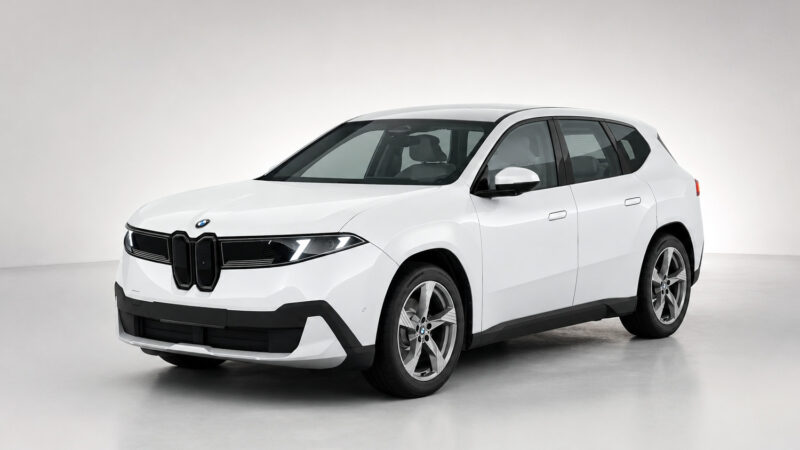
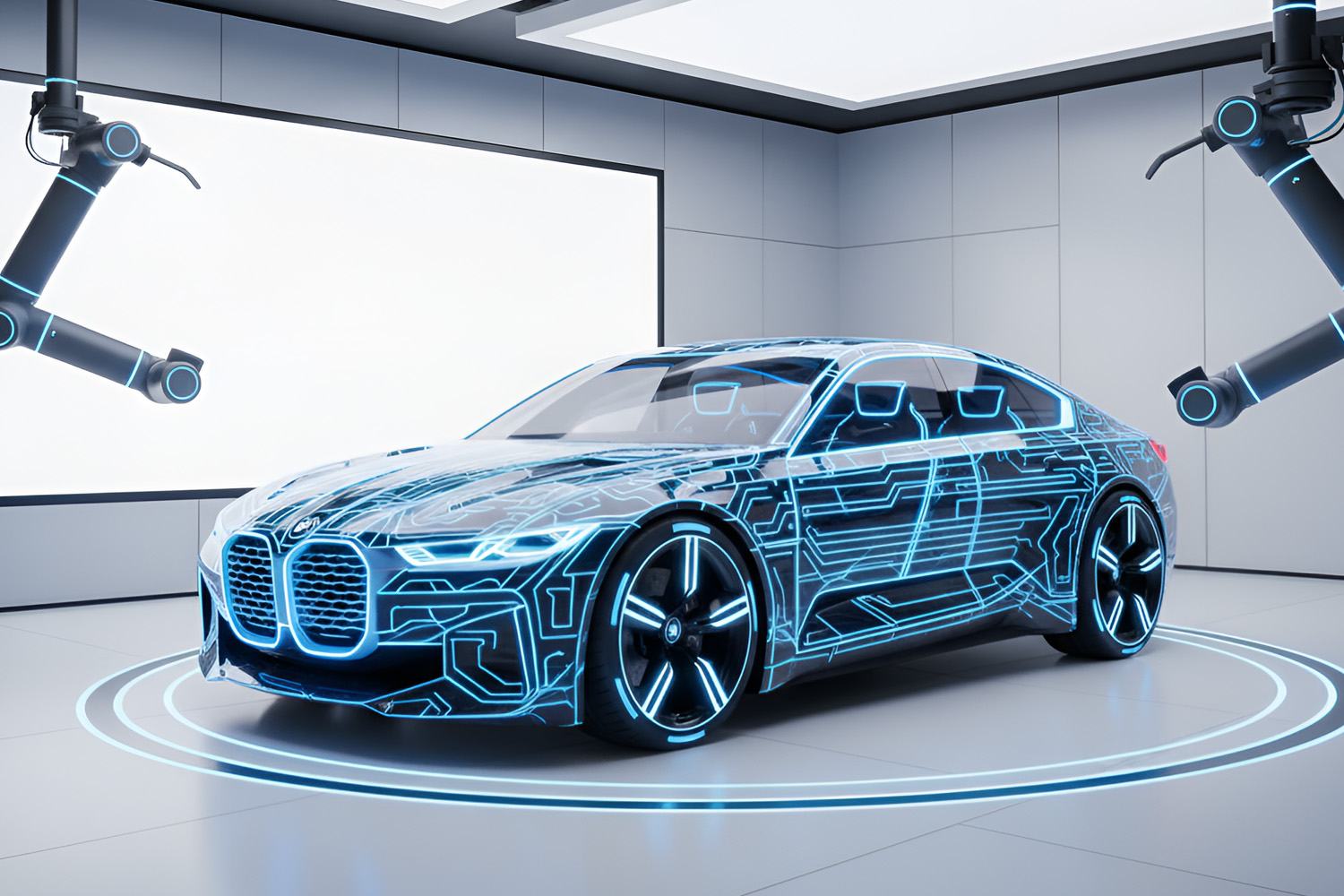
The Neue Klasse models, launching at the end of 2025 with the new BMW iX3, will integrate the company’s sixth-generation battery cells, reducing CO₂ emissions across the supply chain by at least 50%. These models will feature extensive use of recycled aluminum and secondary materials, embodying BMW’s fully circular manufacturing strategy.
BMW’s progress from the 2021 i Vision Circular concept to 2025’s real-world implementation marks a decisive step in the evolution of sustainable automotive design. While a fully recyclable production vehicle is not yet in series, BMW is now applying those same principles across its electric lineup, bringing the circular economy vision closer to reality.