What Is an NFT?
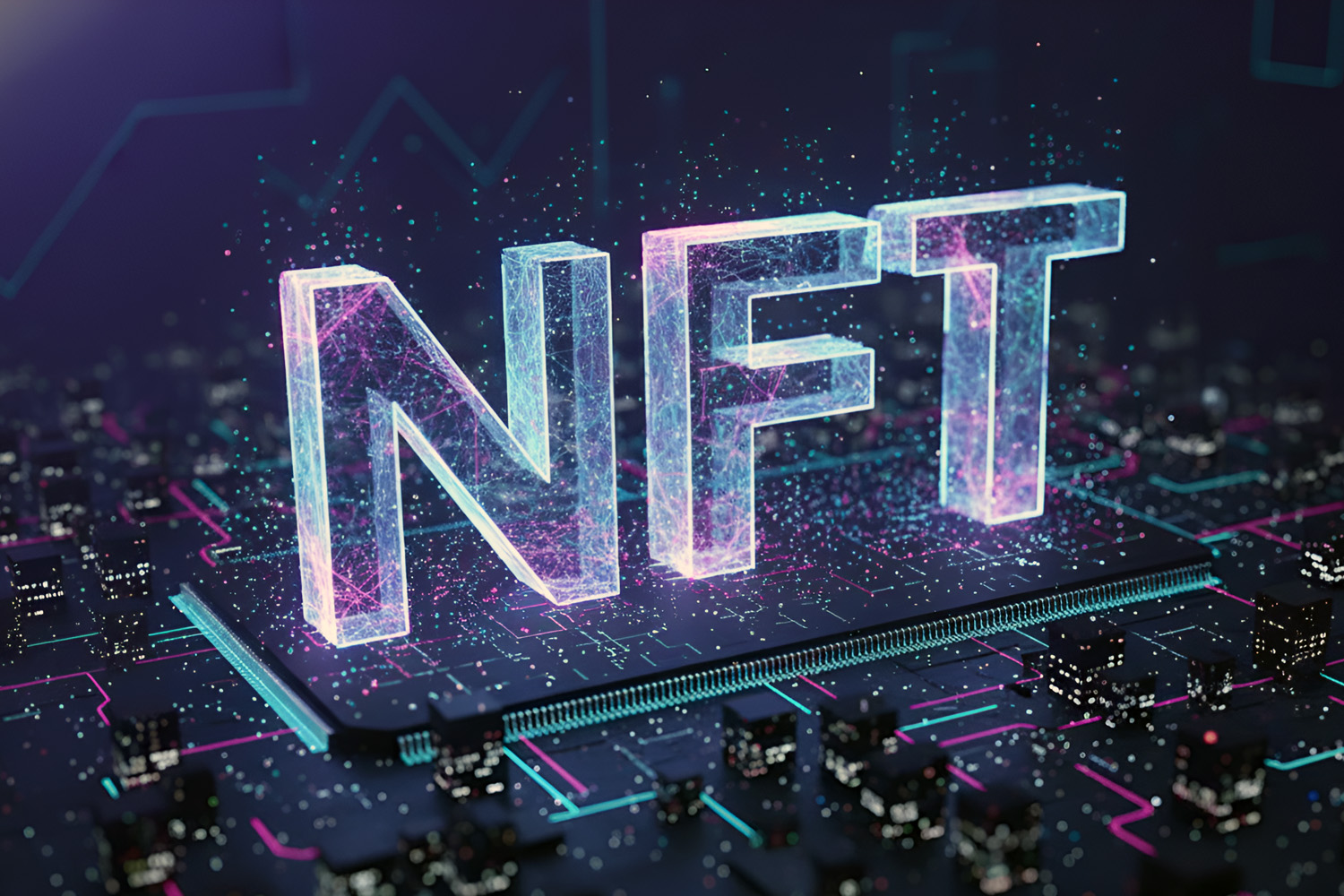
An NFT, short for non-fungible token, is a one-of-a-kind digital certificate of ownership stored on a blockchain. Unlike cryptocurrencies such as Bitcoin or Ethereum, which are fungible (each unit is identical and interchangeable), NFTs are non-fungible-that means each one is unique and cannot be simply swapped one-for-one with another.
In simple terms: if you have a $5 bill it’s easily exchanged for another $5 bill and you wouldn’t care which one you got. But if you have a piece of art or a collectable that’s unique, it matters which one you have. That’s a useful way to think about NFTs: they mark something as unique, digitally.
How Do NFTs Work?
Here’s how the process typically goes:
- A digital item (like an image, music track, video, or even a tweet) is “minted” onto a blockchain. This means a unique token is created which points to that item and records certain metadata-who the creator is, when it was created, its unique ID, etc.
- That token is recorded on a blockchain (commonly Ethereum, but there are others) where the ownership history and transfer records are publicly visible and permanent (immutable) in most cases.
- Even though the digital file (say a JPEG) might be copyable, the NFT proves who owns the original token that represents that file. It’s the ownership certificate, not necessarily the exclusivity of the image being seen or copied.
- Ownership of the NFT can be transferred (sold, traded) and the blockchain records show the full provenance: who minted it, who owned it, who sold it. This gives the token value (in part) via its history and uniqueness.
Why Do NFTs Matter?
Uniqueness & Ownership
Digital files are easy to copy. Before NFTs, if you saved an image, you pretty much had the “copy” and you couldn’t easily prove someone else didn’t also have one-and-you didn’t have a “first edition” or a certificate. NFTs change that by giving each token a unique record.
New Possibilities for Creators
Artists, musicians, game-developers and others can create unique digital items, mint them as NFTs, and sell them or give them away. They can also embed royalty logic so that when the NFT is resold, the original creator receives a percentage-though in practice this has been challenged by marketplace choices.
Collectibles, Access & Utility
In recent times (2025), NFTs are not just about “owning an image” but about granting utility: access to special events, membership in exclusive communities, real-world benefits, virtual land in games, limited edition items, etc.
Digital & Physical Worlds Merging
NFTs can represent both digital assets and even link to or represent physical items (art pieces, real estate, collectibles). This blending opens possibilities for how we think about ownership and value in a digital age.
Things to Be Careful About
- Ownership ≠ full rights: Just because you own an NFT for a digital item doesn’t always mean you own the copyright or reproduction rights. Ownership of the token ≠ ownership of all legal rights.
- Value is variable: Some NFTs sell for millions, others are worthless. Market demand, uniqueness, utility all influence value-but many tokens fail to find buyers.
- Technical & storage risks: The NFT may point to a file stored externally (not always on the blockchain itself) so if the file disappears or the external link breaks, the token might lose its meaningful link.
- Scams & speculation: Because the marketplace is relatively new and hype-driven, there are risks of scams, overvaluation, or malpractices (e.g., fake NFTs, misleading ownership claims).
- Environmental concerns: Some blockchains use energy-intensive consensus methods (though many are migrating to greener models) which has raised sustainability discussions.
Practical Examples of NFTs
- A digital artist creates a graphic and mints it as an NFT. A collector buys the token and now owns the token linked to that artwork, with the blockchain recording the transaction and ownership.
- A game issues NFTs for rare in-game items (e.g., a skin, a weapon). Players trade these items outside the game marketplace because ownership is recorded on the blockchain.
- A brand releases concert tickets as NFTs-so owning the token gives you access to the event, plus maybe a collectible digital poster.
- Virtual real estate in a metaverse platform is sold as an NFT. You own the token representing that parcel of land in the virtual world.
In Summary
An NFT is, at its heart, a digital certificate of ownership that is unique, stored on a blockchain, and represents a digital (or sometimes physical) item in a way that traditional files and assets couldn’t before. It offers new possibilities for creators, collectors, and users-but also comes with new risks and complexities. As the technology evolves, the concept of ownership, value and digital interaction continues to shift-and NFTs are a key part of that change.