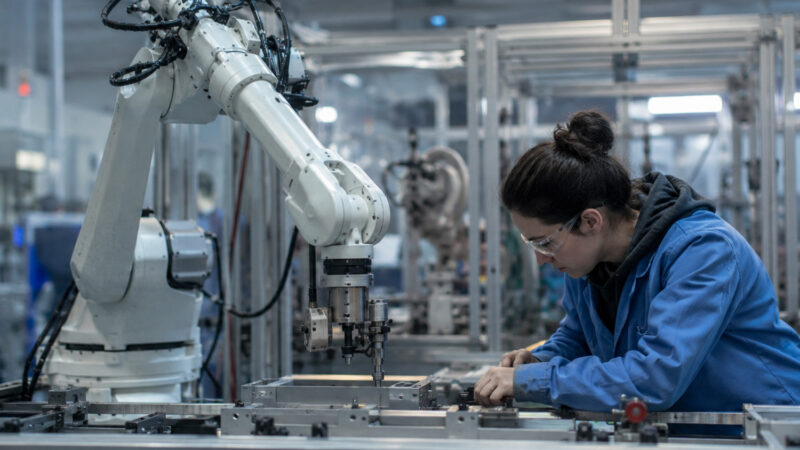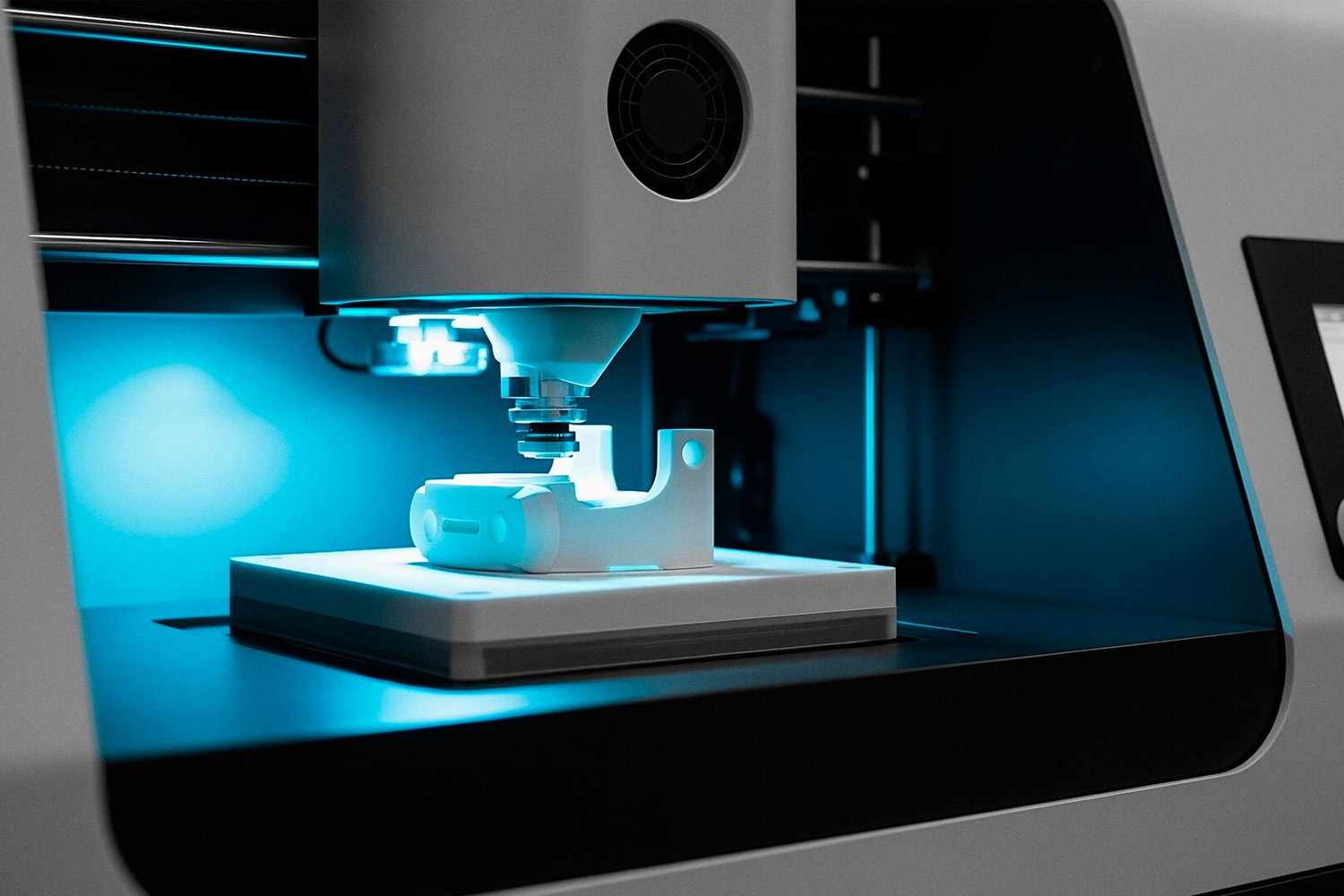
3D printing, also known as additive manufacturing, has evolved from a niche prototyping method into one of the most transformative technologies of the 21st century. By layering materials to create precise, complex shapes, this innovation is redefining how products are designed, produced, and distributed across multiple industries.
Transforming Production Across Sectors
Modern 3D printing applications extend far beyond small plastic models. Today, the technology is used in construction, healthcare, aerospace, and automotive manufacturing to create durable and customized components with minimal waste.
- In construction, entire homes are being printed using advanced concrete mixes, reducing material costs and project timelines.
- In aerospace, companies like Airbus and SpaceX use 3D-printed metal parts to cut weight and boost efficiency.
- In healthcare, bioprinting is emerging as one of the most promising frontiers-scientists are printing human tissues and organ models for research, regenerative medicine, and drug testing.
Bioprinting: A Leap Toward Regenerative Medicine
Bioprinting-the process of using living cells as “ink” to print biological structures-has become one of the most exciting areas of 3D printing research. Organizations such as United Therapeutics and CELLINK are exploring ways to create transplantable tissues and organs, potentially addressing global shortages in organ donations.
Sustainability and Efficiency
Unlike traditional subtractive manufacturing, which removes material from a larger block, additive manufacturing builds items layer by layer-significantly reducing waste and carbon emissions. This efficiency makes it a vital tool for sustainable production. Additionally, digital design allows for on-demand local manufacturing, lowering shipping costs and supply chain risks.
The Road Ahead
Analysts predict the global 3D printing market could exceed $100 billion by 2030, driven by rapid adoption in industrial manufacturing, healthcare, and construction. As printing speeds increase and material science advances, the technology will continue to redefine how we build everything-from prosthetic limbs to rocket engines.
Conclusion
3D printing and additive manufacturing are no longer experimental-they are shaping the core of modern industry. By enabling customization, sustainability, and innovation at scale, these technologies are paving the way for a smarter, more efficient, and more sustainable future.