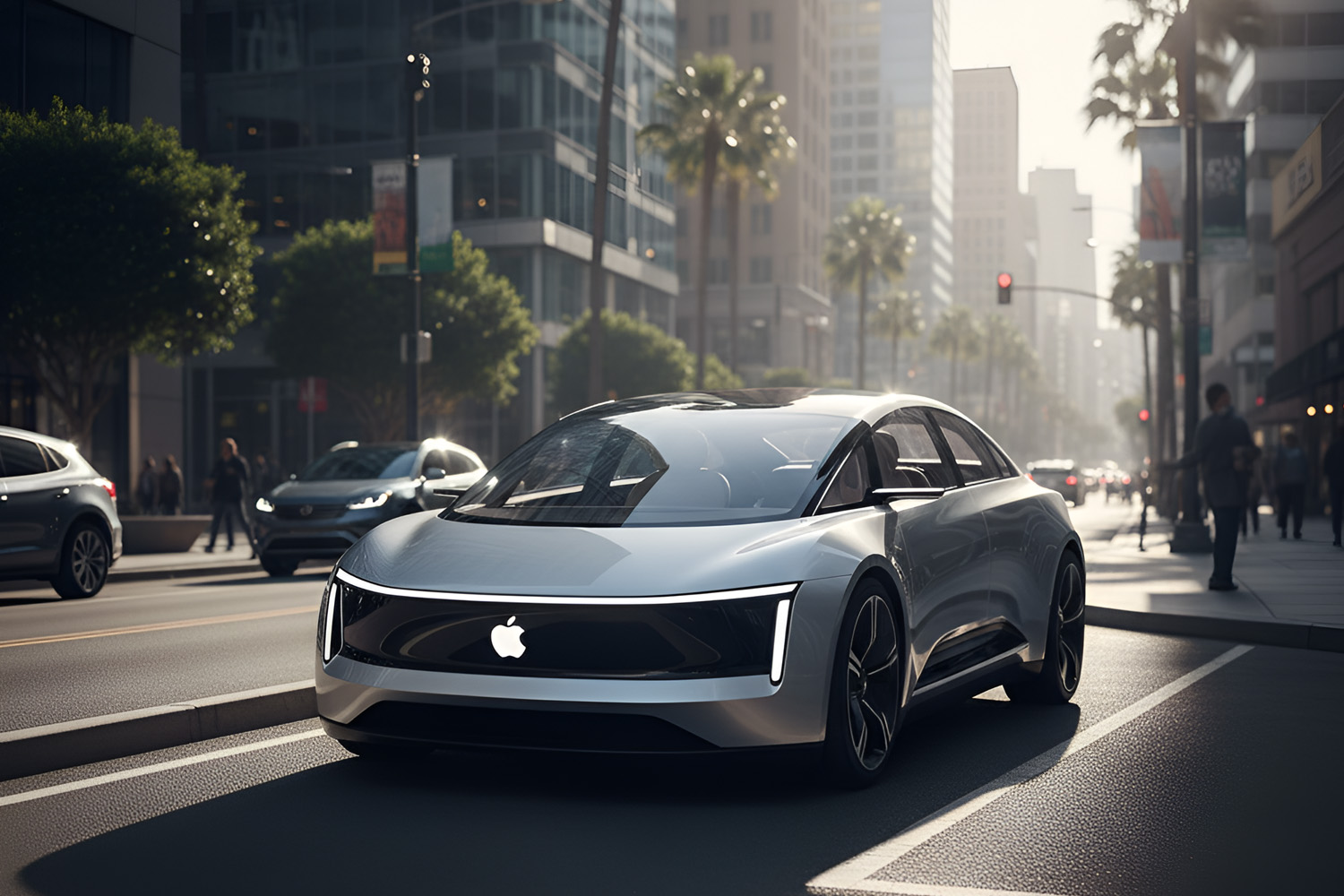
The prospect of an Apple-branded vehicle has long captured the imagination of tech and auto enthusiasts alike. Over the years, speculation around what is commonly referred to as the Project Titan-Apple’s automotive endeavour-has grown steadily. But what exactly is the current state of this project, and which elements remain firm versus mere rumour? This article offers a comprehensive and up-to-date look at the Apple Car rumours, what has been confirmed, what remains uncertain, and what it could mean for the auto industry.
1. Origins and the evolving ambition
Apple is known for secrecy around its innovative projects, and the car initiative is no exception. Project Titan was first reported in the mid-2010s, with Apple exploring an electric vehicle (EV) possibly with self-driving capabilities. In 2021, some reports pushed a possible launch date for 2025.
However, significant strategic shifts followed. In February 2024 Apple reportedly cancelled or scaled back the primary car project-shifting resources toward generative AI instead.
As of now, many of the original ambitions (fully autonomous Apple car, Apple-branded manufacturing) appear unlikely in the form originally envisioned.
2. What has been confirmed so far
While an Apple-manufactured car may no longer be on the immediate horizon, Apple continues to expand its influence in the automotive space via software, services and partnerships:
- In May 2025, Apple announced CarPlay Ultra-its next-generation in-car operating system – beginning with newly ordered vehicles from Aston Martin in the U.S. and Canada.
- Apple’s digital car key functionality (via iPhone/Apple Watch) continues to expand across vehicle brands.
These developments suggest that Apple is prioritising deep integration into the vehicle experience rather than building full vehicles itself-at least for now.
3. Current status of the “Apple Car”
Given the cancellation or major scaling down of Project Titan, the notion of an “Apple Car” as a standalone vehicle is currently speculative. Sources indicate that Apple may still provide advanced automotive software or assistive driving technologies rather than build a complete vehicle.
Key open questions remain:
- Will Apple partner with an automaker to produce a branded car?
- Will Apple focus instead on systems, platforms and services (infotainment, autonomy) to embed in other brands?
- What timelines are realistic? Some earlier forecasts for 2025/2026 are now regarded as optimistic.
4. Why Apple’s automotive ambitions matter
Even without a full-blown Apple Car, Apple’s moves in the automotive sphere are significant:
- Automotive platforms are shifting from hardware to software-defined experiences. Apple’s integration with vehicles speaks to this transition.
- Apple’s ecosystem-iPhone, Apple Watch, services-gives it an edge in delivering connected vehicle experiences.
- For automakers and suppliers, Apple’s presence raises competitive pressure: if Apple becomes a major player in car software, control of the user experience (and data) becomes more contested.
5. Risks, challenges and industry context
There are still substantial hurdles and risks in Apple’s automotive scenario:
- Building a car-especially a fully autonomous EV-is capital intensive and complex (manufacturing, supply chain, regulations). This partly explains the scaling-back of Project Titan.
- Partnering with automakers involves sharing control over branding, data and production-areas where Apple historically prefers tight control. Early negotiation issues were reported.
- Timing remains uncertain. Consumer expectations, competing EV launches, and regulatory changes may affect any vehicle-related strategy Apple employs.
- The broader auto industry is evolving rapidly around EVs, software, autonomous driving and connected services-Apple’s entry or influence will compete against companies already well entrenched.
Conclusion
In summary: the “Apple Car” as originally imagined appears to have been scaled back or re-conceptualised. But Apple remains very much in the automotive conversation. Through software, services and strategic partnerships, Apple is positioning itself as a key player in the future of mobility. Whether this leads to a fully branded Apple vehicle or a broader role as an automotive systems provider remains to be seen. For now, the story is one of evolution rather than the arrival of a finished product.