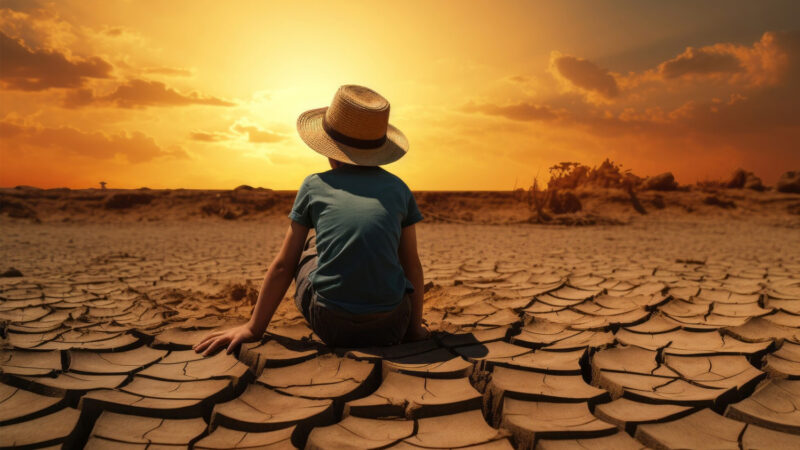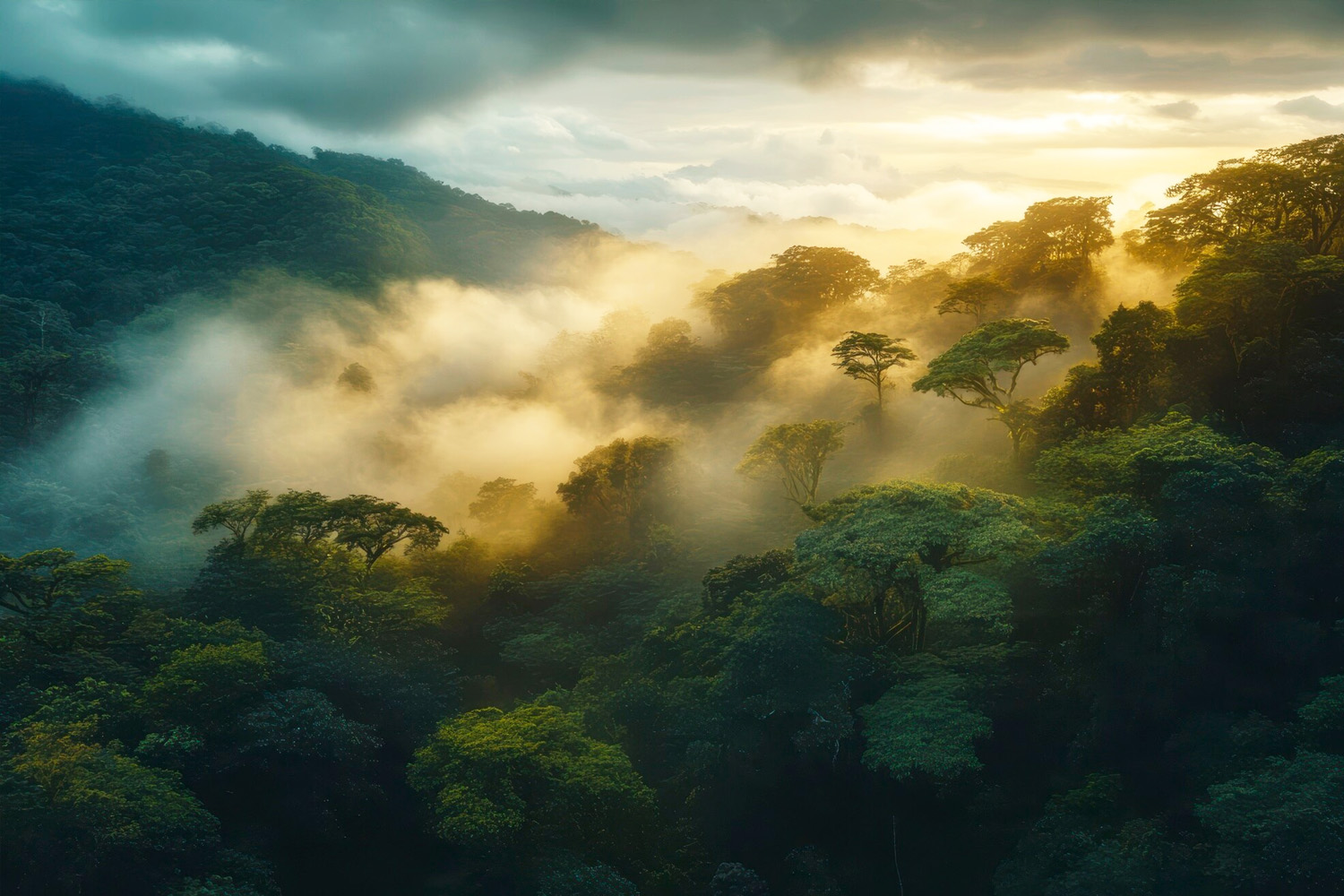
Climate change is transforming ecosystems across every continent, and plant life-the foundation of those ecosystems-is undergoing dramatic shifts. Rising global temperatures, changing rainfall patterns, and more frequent extreme weather events are forcing plants to adapt, migrate, or face extinction. Scientists are documenting how these changes are reshaping the world’s vegetation, from tropical forests to alpine meadows.
Shifting Plant Distribution
One of the clearest effects of climate change is the migration of plant species toward cooler regions or higher altitudes. As average temperatures rise, many plants can no longer thrive in their traditional habitats. Studies show that tree lines in mountain regions, such as the Alps and the Rockies, are moving upward by several meters per decade. Similarly, plant species once confined to subtropical zones are now appearing in temperate climates.
However, this shift creates imbalances: while some species expand, others lose suitable habitats entirely, leading to local extinctions. Endemic plants-those found only in specific regions-are particularly at risk, as they have nowhere else to go.
Changes in Blooming Patterns
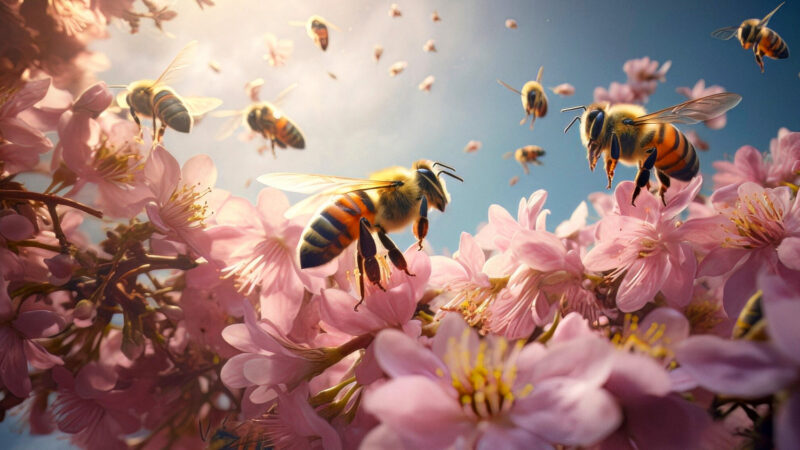
Climate change is also altering the timing of plant growth and flowering cycles. Warmer springs cause earlier blooming in many regions, disrupting the natural synchrony between plants and the animals that depend on them. For example, flowers may bloom before pollinators like bees emerge, leading to reduced pollination and lower seed production.
Long-term monitoring in Europe and North America has confirmed that flowering dates have advanced by an average of two to three weeks since the 1970s. This “phenological shift” can affect entire ecosystems, from food chains to soil health.
Threats to Endangered Plant Species
According to the International Union for Conservation of Nature (IUCN), around 40% of plant species are now considered threatened, and climate change is one of the leading drivers. Species that depend on narrow temperature ranges or specific rainfall conditions-such as tropical orchids, alpine herbs, and coastal mangroves-are among the most vulnerable.
In places like the Amazon and Southeast Asia, prolonged droughts and deforestation amplify these risks. Meanwhile, melting glaciers and desert expansion are reducing suitable land for many mountain and arid-zone plants.
The Bigger Ecological Picture
As plant life shifts, entire ecosystems are being restructured. Grasslands are encroaching on forests in some regions, while invasive species thrive in disturbed environments. These changes affect biodiversity, carbon storage, and even weather patterns. Plants play a key role in absorbing carbon dioxide; when ecosystems degrade, the planet’s natural carbon sink weakens, accelerating global warming in a feedback loop.
What Can Be Done
Mitigating the impact of climate change on global flora requires both climate action and ecosystem management. Protecting old-growth forests, restoring degraded habitats, and conserving genetic diversity through seed banks and botanical gardens are vital steps. Sustainable land use and reducing carbon emissions remain the cornerstone of protecting plant life for future generations.
As global temperatures continue to rise, the world’s flora is sending an unmistakable message: the balance of life on Earth is changing. The choices made today-by policymakers, industries, and individuals-will determine whether the planet’s green foundations can adapt or fade away.