Renewable energy is rapidly reshaping the global power landscape. Below is a detailed snapshot of where we stand, which technologies dominate, which countries lead, and what the future may bring – based on the latest verifiable data.
What Are the Main Types of Renewables
Key renewable energy sources include:
- Hydropower – using flowing or stored water to generate electricity.
- Solar power – mainly photovoltaics (PV) and solar thermal.
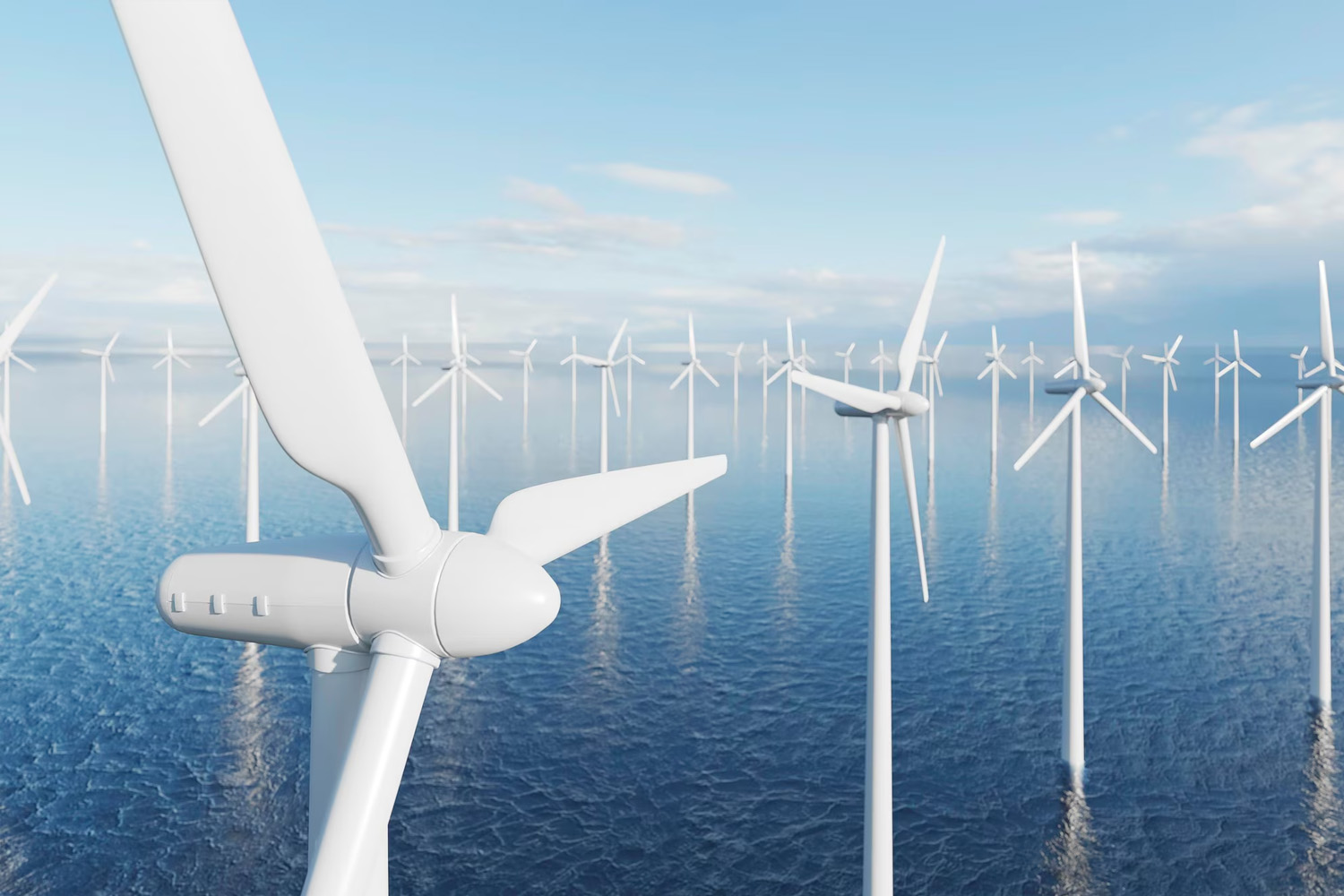
- Wind power – both onshore and offshore.
- Bioenergy – energy from organic materials (biomass, biogas).
- Geothermal – heat from the Earth’s interior.
- Other sources – including marine energy (tidal, wave), and geothermal with less widespread deployment so far.
Current Global Statistics & Leading Countries
Global Share and Growth
- In 2024, renewable sources supplied about 31.9% of global electricity generation. Fossil fuels, though still dominant (≈ 59.1%), are gradually declining in share.
- Renewable power capacity grew by 585 GW in 2024, making up about 90%+ of all new electricity generation capacity added that year.
- Asia (especially China) accounted for ~ 70-72% of that new capacity, with China alone contributing just under 64%. Europe and North America added far less in comparison.
Country Highlights & Renewable Shares
Some countries have very high proportions of their electricity coming from renewables:
- Brazil leads with ~ 89% of its electricity from renewables.
- Canada has about 66.5% renewable electricity share.
- The European Union averaged ~ 47% of electricity from renewable sources in 2024.
- Among EU members, Denmark (~ 88%), Portugal (~ 87%), and Croatia (~ 77%) had some of the highest shares.
- On the lower end: Malta (~ 15%), Czechia (~ 13-14%), Slovakia (~ 15%) had much smaller shares in renewables for their net electricity generation.
What’s Dominating
- Solar and wind together made up most of the newly installed capacity in 2024 – ≈ 97.5% of global additions.
- Hydropower remains the single largest source among existing renewables, because of large dams and long-established plants. But its growth is slower compared to solar/wind, due to geographical, environmental, and social constraints.
Challenges & Regional Differences
- There is a growing regional divide: Asia leads massively in new capacity deployment; Africa, Latin America, and the Middle East lag behind.
- Some EU countries saw a decline in renewable share in early 2025 (especially due to lower wind or hydropower output), even though solar rose.
- Policy, infrastructure, grid integration, storage, and permitting remain bottlenecks in many places.
What to Expect Going Forward
- Global renewable capacity is forecast to more than double by 2030, though recent policy shifts in major countries have slightly reduced some forecasts. Solar is expected to remain the largest contributor to new capacity.
- India recently achieved 50% of its installed electricity capacity from non-fossil sources ahead of its 2030 target. This shows accelerated progress in emerging economies.
- As renewables become cheaper (solar and wind especially), investments will continue shifting. Energy storage, grid modernization, and cross-border power trade are becoming increasingly important.
- There will likely be a continued push to meet climate goals (e.g. limiting global warming to 1.5 °C), which requires deploying renewables faster, improving efficiency, and phasing out coal and other high-carbon sources more aggressively.
Conclusion
Renewables are no longer marginal – they are increasingly at the center of global electricity supply. While some countries lead by example with very high shares, many others still have ground to cover. The dominance of solar and wind in new capacity, combined with falling costs and stronger policies, suggests that the global shift toward cleaner energy is accelerating. Ensuring it is inclusive (across regions and income levels) and technically well-supported (grids, storage, regulation) will be key to making the energy transition work.