Introduction: From Passive Protection to Responsive Systems
Clothing has traditionally functioned as a passive barrier-insulating against cold, shielding from heat, or repelling moisture. However, the increasing frequency of extreme weather events, combined with the growing demand for performance-driven apparel, has accelerated the development of climate-adaptive clothing. These garments are no longer static; they are engineered systems designed to dynamically interact with the human body and external environment.
Climate-adaptive clothing integrates material science, textile engineering, and, in some cases, embedded technology to regulate thermal comfort. By leveraging innovations such as phase-change materials (PCMs), advanced fiber structures, and adaptive insulation systems, these garments aim to maintain a stable microclimate around the wearer. This shift represents a broader transformation within the fashion industry-from aesthetic-driven design toward functionally intelligent apparel.
Core Technologies Enabling Climate Adaptation
Phase-Change Materials (PCMs): Thermal Buffering at the Fiber Level
Phase-change materials are among the most established technologies in climate-adaptive clothing. Originally developed for aerospace applications, PCMs operate by absorbing, storing, and releasing latent heat during phase transitions (typically between solid and liquid states).
- When body temperature rises, PCMs absorb excess heat, delaying overheating.
- As temperatures drop, the stored heat is gradually released, maintaining warmth.
- These materials are often encapsulated within microcapsules embedded in fibers or coatings.
The key advantage of PCMs lies in their ability to stabilize temperature fluctuations without requiring external energy input. However, their thermal capacity is finite, meaning effectiveness depends on environmental conditions and duration of exposure.
Moisture-Wicking and Breathable Structures: Managing Evaporative Cooling
Thermal comfort is not solely dependent on temperature; moisture management plays a critical role. Advanced moisture-wicking fabrics are engineered to transport sweat away from the skin through capillary action, enabling rapid evaporation.
- Hydrophobic fibers pull moisture outward.
- Hydrophilic layers disperse moisture across a larger surface area.
- Micro-ventilation structures enhance airflow and evaporation rates.
These systems reduce the risk of thermal stress in high-heat conditions and prevent heat loss due to dampness in cold environments. Unlike PCMs, moisture-wicking technologies function continuously, making them essential in both activewear and occupational clothing.
Active Particles and Mineral-Based Additives
Some climate-adaptive textiles incorporate particles derived from volcanic minerals, activated carbon, or ceramic compounds. These materials influence thermal behavior through infrared reflection, absorption, or enhanced evaporation.
- In warm conditions, they can accelerate sweat evaporation by increasing surface energy interactions.
- In cooler environments, they may help retain body heat by reflecting infrared radiation back toward the skin.
While these effects are measurable under controlled conditions, their real-world impact varies depending on garment construction and environmental extremes. Their role is typically complementary rather than primary.
Adaptive Insulation and Aerogel-Based Systems
Aerogel, a highly porous material known for its extremely low thermal conductivity, has emerged as a high-performance insulation component in advanced outerwear. Some designs integrate aerogel into flexible matrices, enabling insulation that is both lightweight and effective.
In adaptive systems:
- Insulation layers may expand or contract in response to temperature changes.
- Air pockets within the fabric structure adjust dynamically, altering thermal resistance.
- Mechanical or material-based triggers (e.g., humidity or temperature thresholds) activate these changes.
Although fully autonomous expansion systems are still evolving, the concept of self-adjusting insulation reflects a broader trend toward garments that respond mechanically or structurally to environmental inputs.
Transformative Textile Architectures and Garment Design
3D/2D Transformative Fabrics
One of the more experimental areas in climate-adaptive clothing involves fabrics that can physically reconfigure their structure. These textiles can transition between different states-such as dense, insulating forms and open, ventilated configurations.
- 3D structures trap air for insulation in cold conditions.
- Flattened or expanded 2D states increase breathability and heat dissipation.
- Shape-memory polymers or responsive yarns enable these transformations.
Such systems are often inspired by biological models, such as pinecones or skin pores, which naturally respond to environmental stimuli. While still limited in commercial deployment, they represent a significant step toward fully responsive apparel systems.
Self-Inflating and Convertible Garments
Some garments incorporate mechanical adaptability, including self-inflating chambers or modular components that alter functionality.
Examples include:
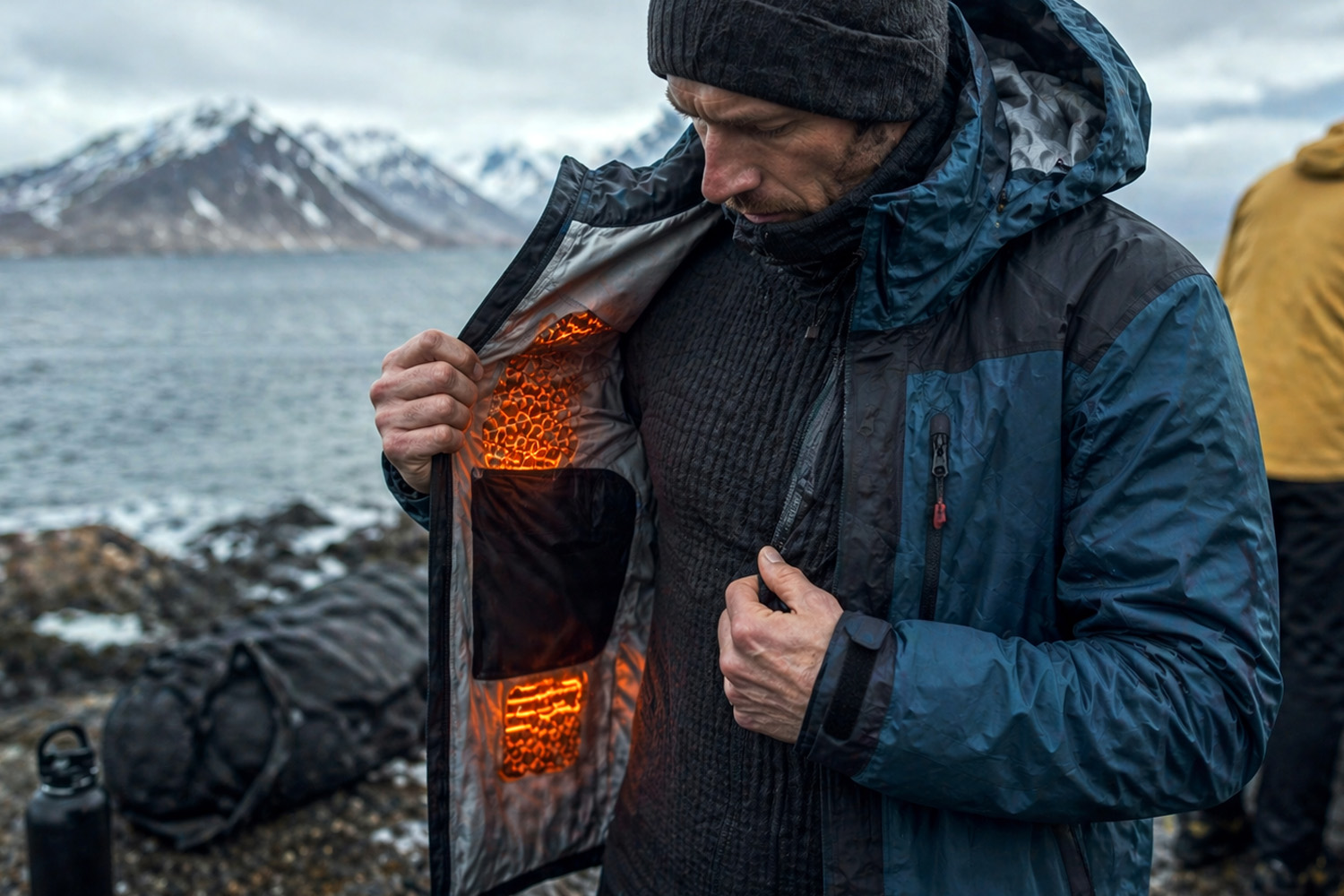
- Jackets with integrated air pockets that can be manually or automatically inflated for added insulation.
- Convertible designs that shift between waterproof shells and ventilated layers.
- Garments with built-in survival features, such as reflective panels or emergency storage compartments.
These designs are particularly relevant for outdoor exploration, military applications, and emergency response scenarios, where environmental conditions can change rapidly.
Adaptive Thickness and Humidity-Responsive Materials
Humidity-responsive textiles adjust their physical properties based on moisture levels. This includes:
- Fibers that swell when exposed to humidity, increasing insulation.
- Materials that contract in dry conditions, enhancing breathability.
- Layered systems that alter thickness to regulate heat exchange.
Such responsiveness allows garments to adapt not only to external weather but also to the wearer’s physiological state, particularly during physical exertion.
Applications Across Industries and Consumer Segments
Performance and Occupational Apparel
Climate-adaptive clothing is increasingly utilized in professions requiring exposure to extreme or variable environments.
Key sectors include:
- Logistics and warehousing, where workers transition between refrigerated and ambient zones.
- Hospitality, particularly in outdoor or semi-controlled environments.
- Construction and infrastructure maintenance in regions with significant temperature variation.
In these contexts, adaptive clothing enhances safety by reducing risks associated with heat stress, hypothermia, or fatigue.
Outdoor and Expedition Gear
The outdoor apparel industry has been an early adopter of adaptive technologies. Mountaineering, polar exploration, and desert trekking demand garments that can handle rapid environmental shifts.
- Layer reduction: Adaptive garments can replace multiple traditional layers.
- Weight optimization: Lightweight insulation reduces physical strain.
- Versatility: Single garments serve multiple climatic functions.
These benefits align with the needs of both professional explorers and recreational users seeking efficiency and reliability.
Urban and Everyday Fashion Integration
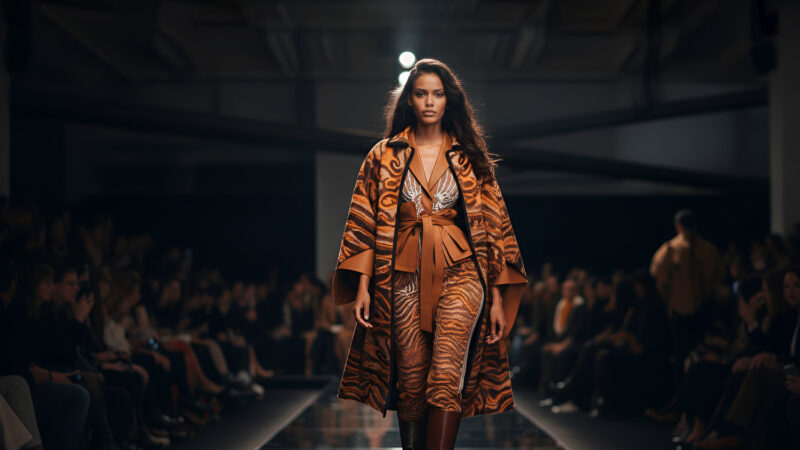
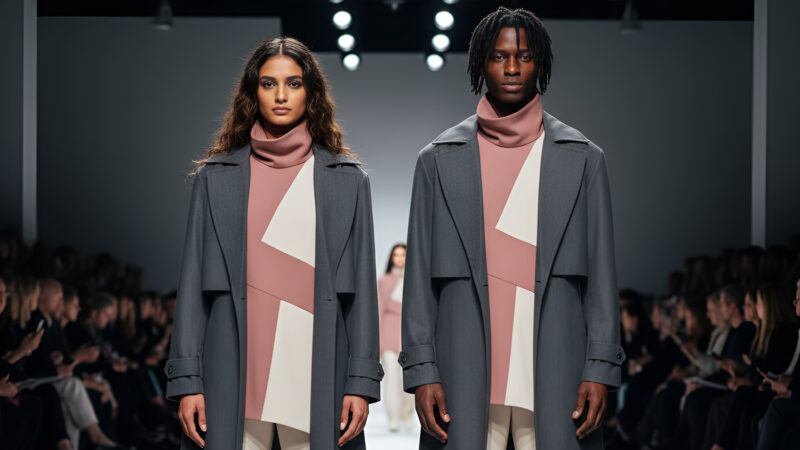
While initially confined to technical apparel, climate-adaptive features are gradually entering mainstream fashion. Urban consumers face their own microclimate challenges, including heat islands, sudden weather changes, and indoor-outdoor transitions.
Emerging trends include:
- Lightweight jackets with temperature-regulating linings.
- Office wear incorporating moisture management for commuting comfort.
- Sustainable outerwear combining adaptive performance with recycled materials.
This convergence of function and style reflects a broader shift in consumer expectations, where performance is increasingly valued alongside aesthetics.
Environmental and Sustainability Considerations
Climate-adaptive clothing intersects with sustainability in complex ways. On one hand, these garments can reduce the need for multiple clothing items, potentially lowering overall consumption. On the other hand, the integration of advanced materials raises questions about recyclability and lifecycle impact.
Key considerations include:
- Use of recycled inputs, such as reclaimed nylon or polyester.
- Durability, extending product lifespan and reducing waste.
- Challenges in recycling multi-material composites and embedded technologies.
Eco-design strategies aim to balance performance with environmental responsibility, but standardized solutions are still evolving.
Market Dynamics and Technological Limitations
Despite significant progress, climate-adaptive clothing faces several constraints:
- Cost: Advanced materials and manufacturing processes increase retail prices.
- Scalability: Some technologies remain difficult to mass-produce.
- Performance variability: Effectiveness can depend heavily on specific environmental conditions.
- Consumer awareness: Understanding of these technologies is still limited outside specialized markets.
Manufacturers must navigate these challenges while maintaining credibility and avoiding exaggerated claims about performance capabilities.
Conclusion: Toward Intelligent, Responsive Apparel Systems
Climate-adaptive clothing represents a convergence of fashion, science, and engineering. By shifting from passive insulation to active regulation, these garments address the growing need for resilience in unpredictable climates. The integration of PCMs, adaptive structures, and moisture management systems demonstrates a clear trajectory toward more intelligent apparel.
Looking forward, the evolution of this field will likely depend on:
- Advances in material science enabling greater responsiveness and durability.
- Improved integration of sustainability into high-performance textiles.
- Broader adoption across consumer markets as costs decrease and awareness increases.
Rather than replacing traditional clothing systems entirely, climate-adaptive garments are poised to complement and enhance them-offering targeted solutions for environments where conventional apparel falls short.