Hybrid Vehicles in the EV Era: Why They Still Matter
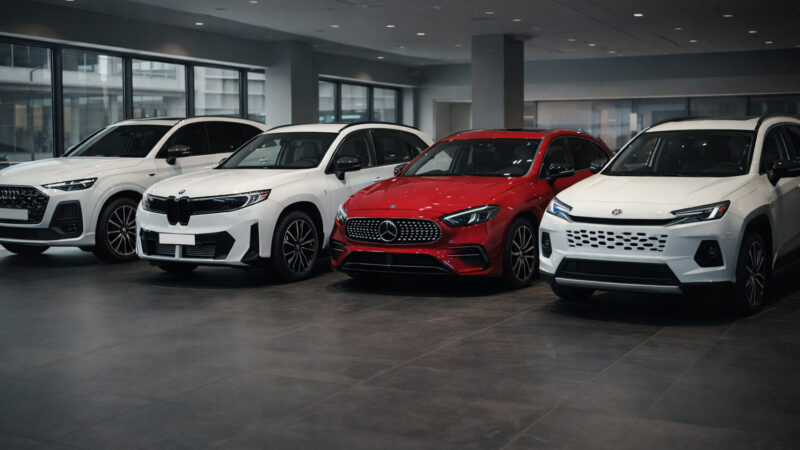
Despite the rapid expansion of fully electric vehicles (EVs), hybrid systems continue to play a critical role in the global automotive transition. While EV adoption is accelerating in regions with strong charging infrastructure, hybrids remain highly relevant due to their flexibility, cost efficiency, and proven reliability.
Hybrid vehicles-combining internal combustion engines with electric motors-offer a pragmatic solution for markets where infrastructure, affordability, or range limitations still constrain full electrification. This is particularly evident in regions such as Europe, Japan, and parts of North America, where hybrids consistently rank among the best-selling vehicle categories.
The persistence of hybrid demand is not simply a transitional phenomenon. It reflects a structural balance between efficiency, practicality, and technological maturity.
What Defines a Modern Hybrid: Efficiency, Durability, and System Design
Modern hybrid vehicles are evaluated across several key dimensions:
- Fuel efficiency: Measured in combined consumption (L/100 km or MPG)
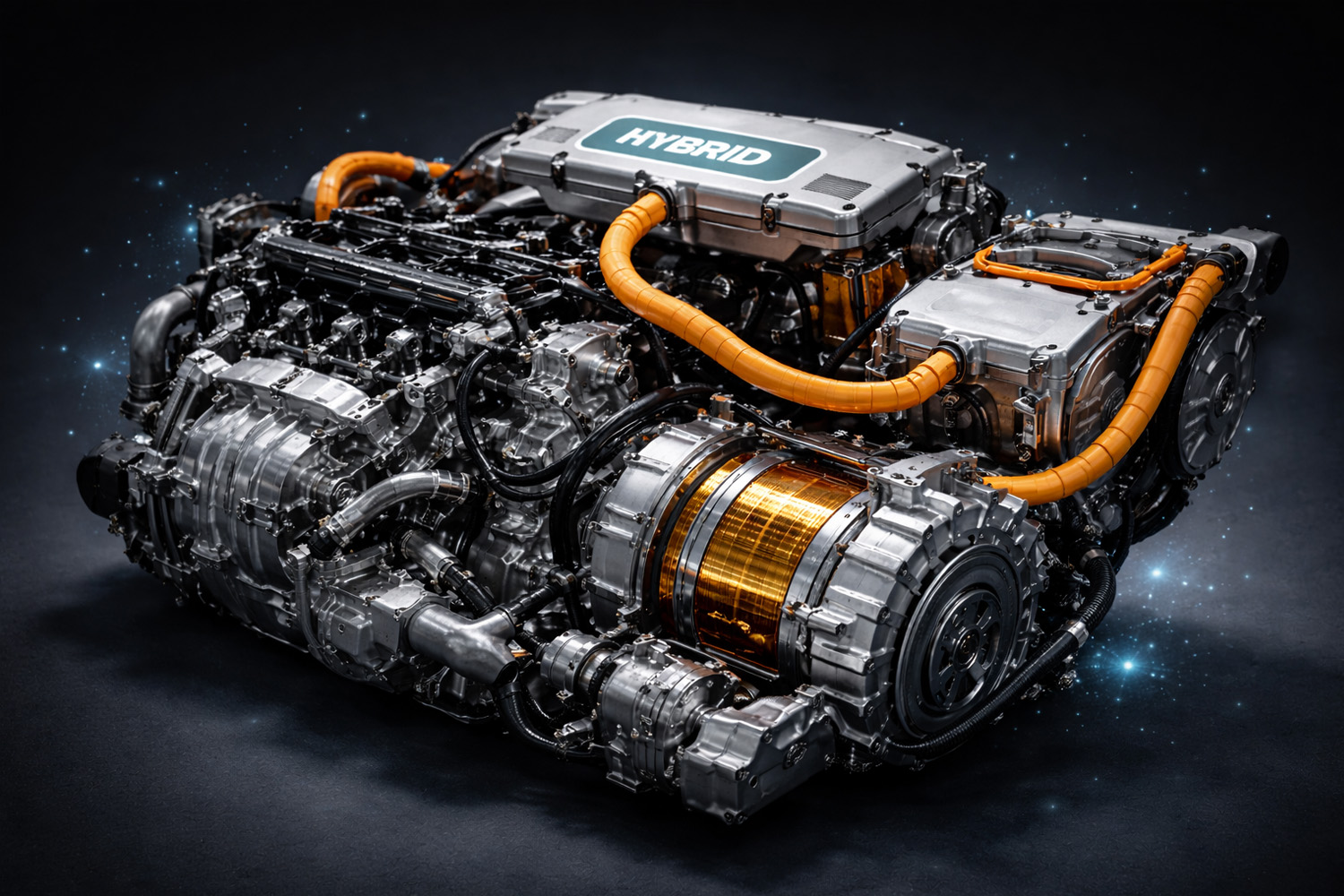
- Powertrain sophistication: Integration between electric motor and combustion engine
- Battery durability: Long-term performance and degradation resistance
- Reliability: Proven track records in real-world conditions
- Total cost of ownership: Maintenance, fuel savings, and resale value
There are two dominant hybrid architectures:
- Full hybrids (HEV): Self-charging systems that do not require external charging
- Plug-in hybrids (PHEV): Larger batteries with external charging capability and short electric-only range
Manufacturers such as Toyota and Honda have refined hybrid systems over decades, while newer entrants have focused on performance-oriented and premium hybridization.
Top 10 Hybrid Models: Performance, Efficiency, and Market Impact
1. Toyota Prius
Why it stands out:
- Industry benchmark for hybrid efficiency
- Combined fuel consumption often around ~4–4.5 L/100 km
- Proven durability over multiple generations
The Prius remains synonymous with hybrid technology, offering exceptional efficiency and low operating costs.
2. Toyota Corolla Hybrid
Key strengths:
- Affordable entry into hybrid ownership
- Excellent reliability and low maintenance costs
- Fuel consumption typically ~4–5 L/100 km
Its global popularity reflects a balance between price, efficiency, and practicality.
3. Toyota RAV4 Hybrid
Highlights:
- One of the best-selling hybrid SUVs globally
- Strong performance combined with ~5–6 L/100 km efficiency
- Optional all-wheel drive
It demonstrates how hybrid systems can scale effectively into larger vehicles.
4. Honda CR-V Hybrid
Key features:
- Smooth hybrid powertrain with strong urban efficiency
- Spacious interior and family-oriented design
- Competitive fuel economy in the SUV segment
Honda’s system emphasizes refinement and usability.
5. Hyundai Ioniq Hybrid
Advantages:
- Designed specifically for efficiency
- Aerodynamic design contributing to low fuel consumption (~4 L/100 km)
- Strong value proposition
The Ioniq has been positioned as a direct competitor to the Prius in efficiency-focused markets.
6. Kia Niro Hybrid
Why it’s popular:
- Compact crossover format with high efficiency
- Practical interior and modern infotainment
- Fuel consumption typically ~4.5–5 L/100 km
It bridges the gap between traditional hybrids and crossover demand.
7. Ford Kuga Hybrid (Escape Hybrid)
Key characteristics:
- Available as both HEV and PHEV
- Competitive pricing in European markets
- Balanced performance and efficiency
Ford’s hybrid strategy reflects increasing competition among Western manufacturers.
8. BMW 330e
Highlights:
- Performance-oriented hybrid system
- Electric-only range (PHEV) suitable for urban driving
- Premium build quality
This model illustrates how hybridization can enhance performance rather than just efficiency.
9. Mercedes-Benz C 300e
Key features:
- One of the longest electric ranges in its class (PHEV)
- High-end interior and advanced technology
- Strong efficiency in mixed driving
Luxury brands increasingly use plug-in hybrids to meet emissions regulations without sacrificing performance.
10. Lexus RX 500h
Why it stands out:
- Combines hybrid efficiency with high performance
- Advanced all-wheel-drive hybrid system
- Strong reliability associated with Lexus
As a premium offering from Toyota’s luxury division, it highlights the scalability of hybrid systems.
Why Hybrids Remain Competitive: Structural Advantages
1. Infrastructure Independence
Unlike EVs, hybrids do not rely on charging networks. This makes them particularly attractive in regions where infrastructure is still developing.
2. Proven Reliability
Hybrid systems-especially those from Toyota-have demonstrated long-term durability. Battery longevity often exceeds initial expectations, reducing concerns about replacement costs.
3. Cost Efficiency
- Lower upfront cost compared to EVs
- Reduced fuel consumption
- Lower maintenance due to regenerative braking and optimized engine use
4. Transitional Technology
Hybrids serve as a bridge between internal combustion engines and full electrification, allowing consumers to adapt gradually.
Broader Impact: Hybrids in the Global Automotive Transition
Hybrid vehicles play a strategic role in reducing emissions without requiring immediate systemic changes.
Environmental Contribution
- Lower CO₂ emissions compared to conventional vehicles
- Reduced fuel consumption across large vehicle fleets
Market Stability
Hybrids provide automakers with:
- Regulatory compliance (emissions targets)
- Flexibility in markets with uneven EV adoption
Consumer Behavior
For many buyers, hybrids represent a risk-mitigated choice:
- No range anxiety
- Familiar refueling habits
- Incremental technological shift
A Long-Term Role in a Diversified Powertrain Future
The global automotive industry is not moving toward a single solution but rather a diversified ecosystem of powertrains. While EVs are expected to dominate in the long term, hybrids will remain a critical component of this transition for the foreseeable future.
The top hybrid models listed above demonstrate that efficiency, reliability, and practicality continue to define consumer priorities. As long as infrastructure gaps, cost considerations, and regional differences persist, hybrids will retain their relevance.
Rather than being a temporary phase, hybrid technology represents a mature, optimized solution-one that balances innovation with real-world usability. In this context, hybrids are not being replaced; they are being integrated into a broader, more complex automotive future.