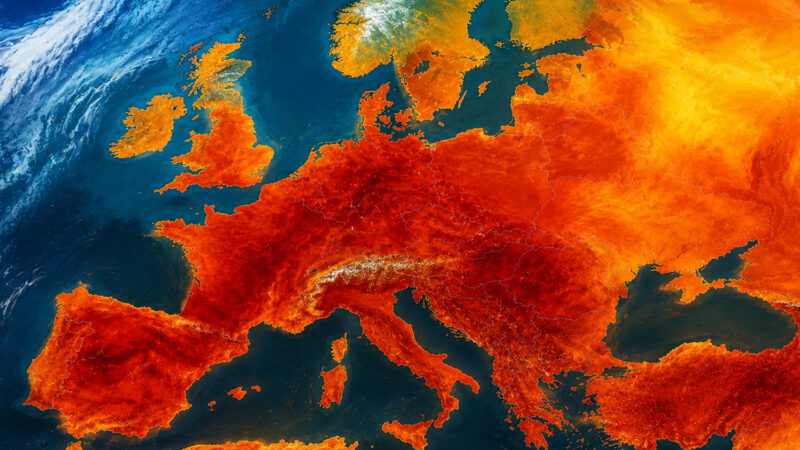
As the world’s oceans absorb the vast majority of heat trapped by greenhouse gases, rising water temperatures are transforming marine ecosystems with growing consequences for fish populations and the humans who depend on them. Scientists report that the oceans have absorbed over 90 % of excess heat from human-driven warming, pushing average sea surface temperatures higher year after year.
Shifts in Species Distribution
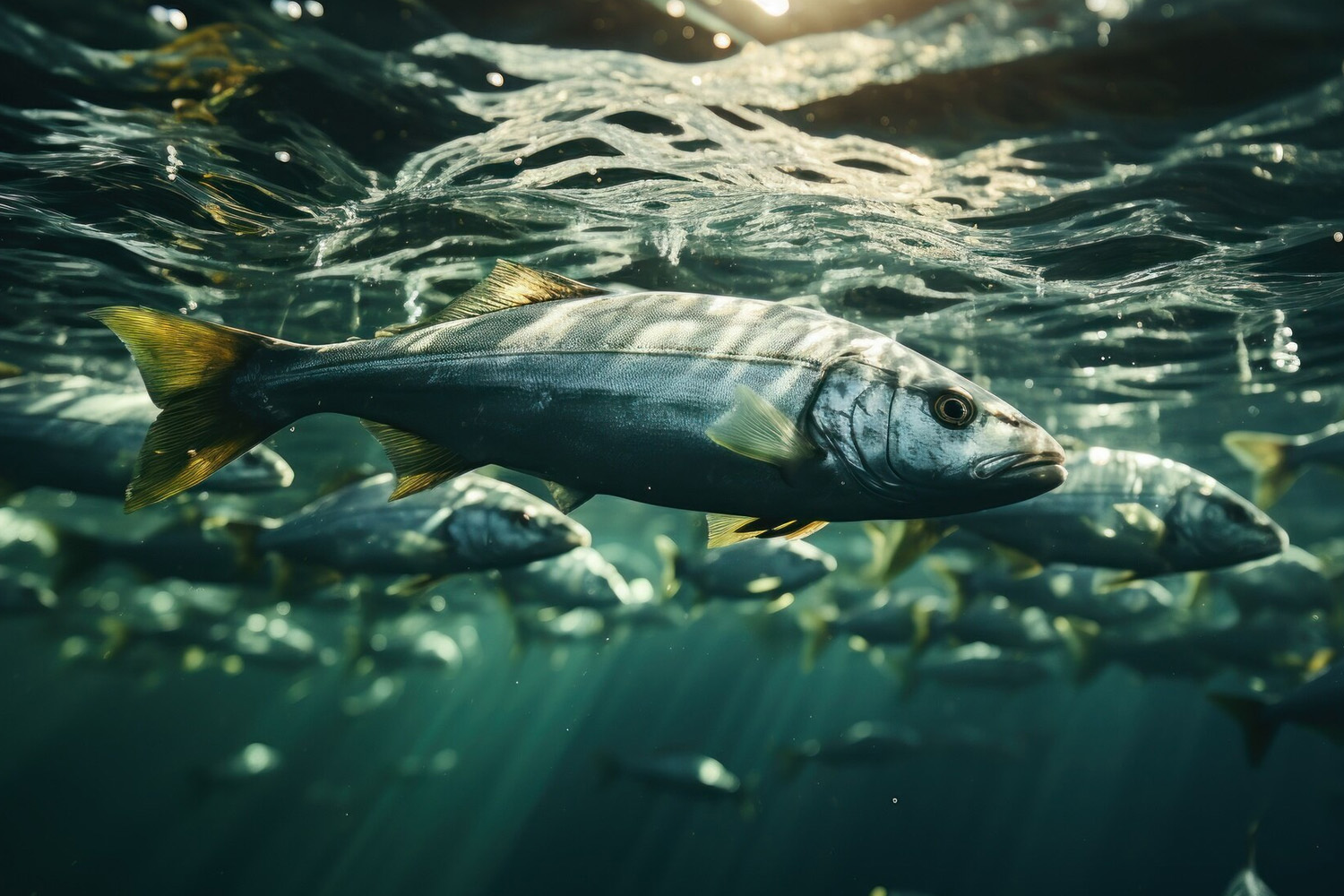
One of the clearest effects of warming waters is the movement of marine species toward cooler regions. Many fish – including commercially important species – are migrating poleward or into deeper waters to find suitable temperature ranges. In U.S. waters, studies have documented shifts of key species such as lobster, hake, and bass by hundreds of miles in response to rising temperatures. These changes are not limited to coastal regions: globally, warming drives fish to alter their habitats, creating challenges for traditional fishing grounds and the communities that rely on them.
Smaller Fish and Changing Biology
Scientific research indicates that many fish species are physically responding to warmer oceans with reduced body sizes. A comprehensive study found that coral reef fishes’ maximum size has already declined in recent decades and is projected to shrink significantly by 2050 due to temperature-driven metabolic and ecological pressures. Smaller body sizes can affect reproductive output and survival, influencing not just individual species but entire food webs.
Ecosystem and Food Web Impacts
Warming oceans also disrupt foundational elements of marine ecosystems. For example, changes in water temperature and light penetration can affect phytoplankton, the microscopic organisms that form the base of the ocean food chain. When these populations decline, the ripple effects can reduce food availability for fish at higher levels, potentially lowering overall fish productivity.
Recently, scientists reported unprecedented marine heatwaves in 2023 that affected nearly the entire ocean surface – a stark example of how climate change is stressing marine life globally. These extreme events can cause coral bleaching, disrupt feeding behavior, and increase mortality in sensitive species.
Why It Matters
The transformation of fish populations has far-reaching implications. Many coastal and island nations rely on fish as a primary source of protein and economic activity. As species move and populations shrink, fisheries management and food security face new pressures. Sustainable fisheries models must now account for shifting habitats and changing productivity patterns.
For many fishing communities, especially in tropical regions, catches are predicted to decline significantly if temperatures continue rising – a trend that could exacerbate economic inequality and strain global food systems.
Trend Impact
Warming oceans are reshaping marine life on a global scale. Continued temperature increases are expected to further alter species distribution, reduce fish sizes, and stress ecosystems. These changes underline the urgency for climate action and adaptive management in fisheries worldwide. In addition to conservation measures, innovative policies and international cooperation will be key to sustaining fish populations and the communities that depend on them.