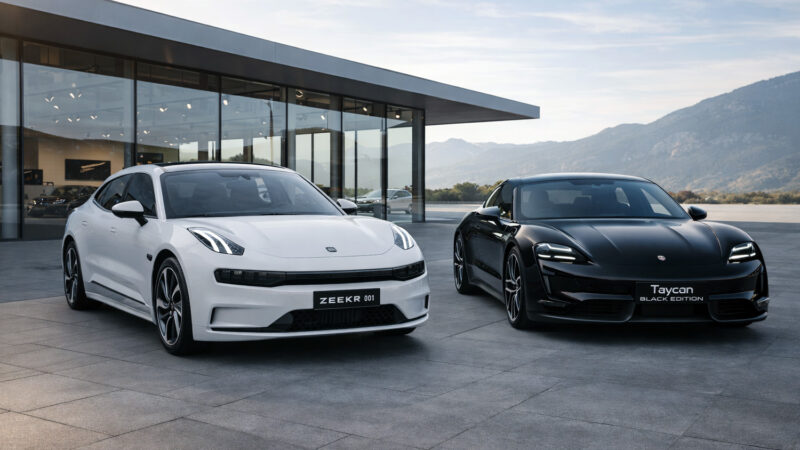
Recent developments in the global automotive industry highlight a strategic shift in competitive power – with major Chinese manufacturers increasingly challenging, and in some cases surpassing, traditional American and European automakers in global influence, sales and production ambitions.
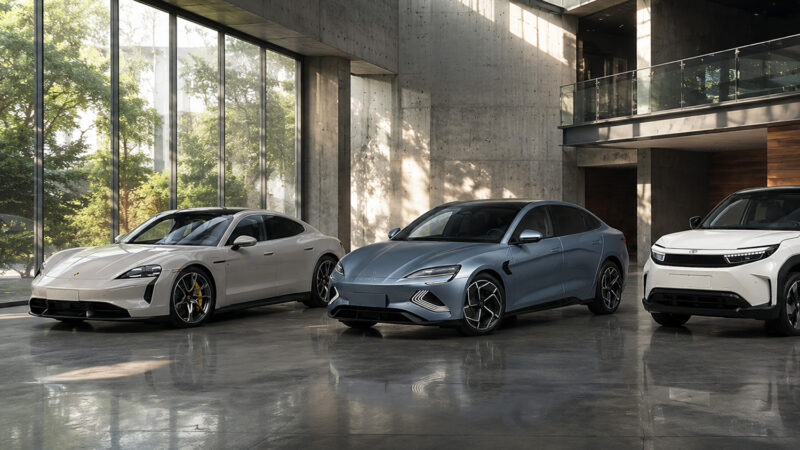
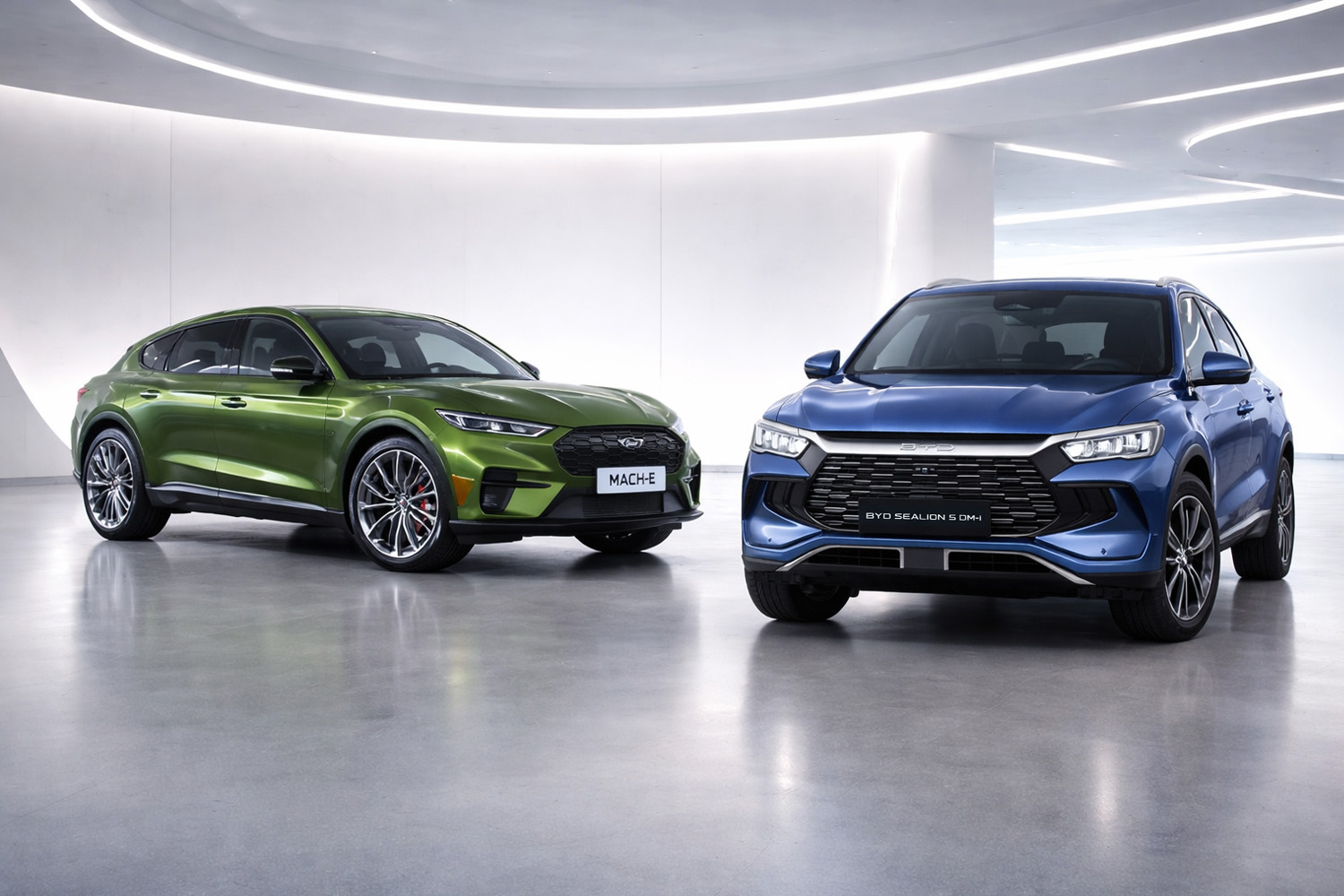
One of the most telling indicators of this shift came in early 2026: BYD Co overtook Ford Motor Company in global vehicle sales, moving into the world’s sixth-largest automaker ranking for 2025. BYD reported about 4.6 million vehicles sold globally in 2025, edging past Ford’s roughly 4.4 million. It was the first time Ford has fallen out of the global top six – a symbolic milestone in the rise of Chinese EV-focused manufacturers.
Expansion Beyond Domestic Borders
China’s leading EV and automotive makers aren’t staying confined to domestic markets. Geely Automobile and BYD are among the finalists seeking to acquire a large, idled Nissan-Mercedes factory in Aguascalientes, Mexico, as part of a broader strategy to expand production capacity in North America and Latin America. This move reflects not only corporate expansion but a shift in global production footprints as Chinese brands aim to serve export markets more directly, even amid U.S. tariff pressures and diplomatic debate over foreign investment.
Headwinds at Home and Abroad
Despite powerful export growth, Chinese automakers face challenges in their home market. In response to a sharp downturn in passenger car sales and prolonged price wars, Chinese authorities introduced new pricing and safety regulations intended to curb aggressive below-cost promotions and standardize value competition. New rules also propose enhanced safety benchmarks for automated driving and braking systems, signaling a maturing domestic auto industry.
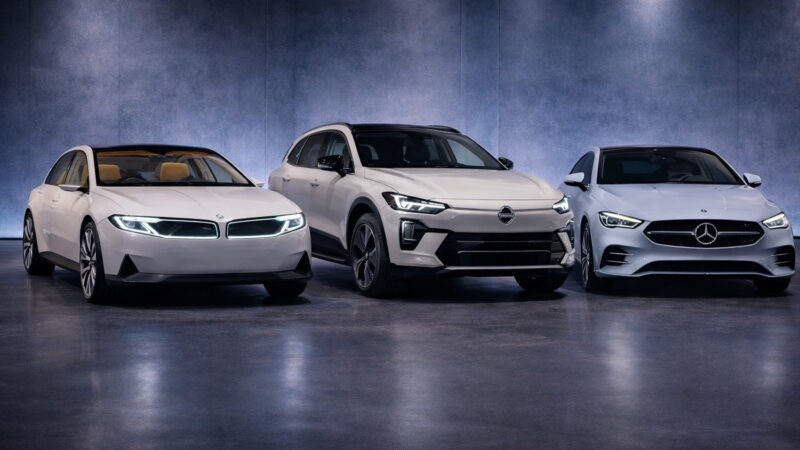
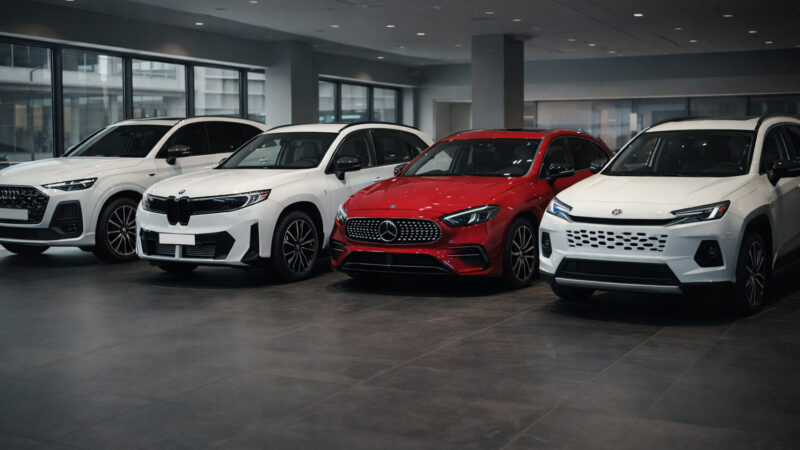
Meanwhile, some Western legacy brands are feeling the pressure of intensifying competition. Mercedes-Benz Group warned of reduced profit margins for 2026, citing weakening sales in China and the costs associated with tariffs. This reflects a broader pattern where Western premium makers are being squeezed by domestic rivals and policy uncertainties.
Why it matters
The balance of automotive power is shifting after decades of U.S. and European dominance. Chinese automakers’ success isn’t just about volume but about embracing new energy vehicles (NEVs) and exporting them aggressively overseas. In January 2026, Chinese brands like BYD and Geely held the top positions in China’s NEV retail sales rankings, with BYD leading at about 15.8 % market share – underscoring their continued demand and influence on the largest auto market in the world.
Trend impact
If current trends persist, the global auto industry could see a restructuring of competitive hierarchies. Chinese automakers are leveraging cost-competitive EV offerings, manufacturing scale and strategic export expansion to challenge Western incumbents. This competition affects vehicle pricing, regional manufacturing investment, and the pace of EV adoption worldwide. For traditional Western automakers, staying competitive will likely require faster adaptation to electrification, expanded global supply chains, and targeted innovation to maintain market share.