Cities were once seen as barriers to wildlife, dominated by concrete, traffic, and human activity. Today, a growing body of scientific research shows the opposite: many animal species are not only surviving in urban environments but actively adapting to them. From mammals and birds to insects and reptiles, cities have become complex ecosystems shaped by both human infrastructure and natural behavior.
Why Wildlife Is Moving Into Cities
Urban areas offer several advantages for adaptable species. Cities often provide:
- Reliable food sources, including waste, crops, and human-provided feeding
- Reduced numbers of natural predators
- Warmer microclimates, especially in colder regions due to the urban heat island effect
- Shelter opportunities, such as buildings, bridges, and green spaces
These conditions favor animals that are flexible in diet, behavior, and activity patterns.
Mammals Thriving in Urban Environments
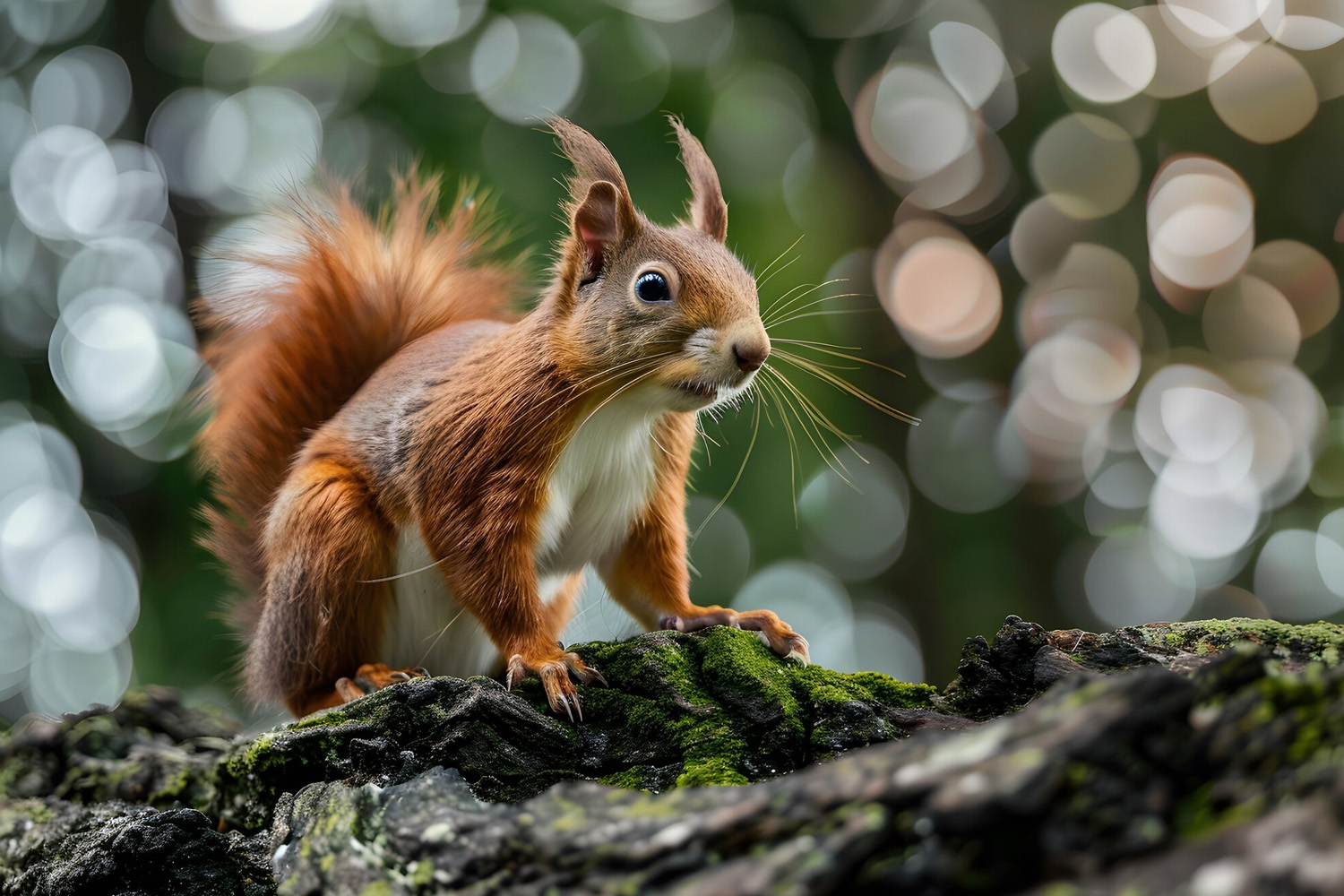
Foxes, raccoons, coyotes, and even deer have become common in many cities across Europe, North America, and parts of Asia. Urban fox populations, for example, have been documented using predictable human schedules to avoid peak activity hours. Studies show that some urban mammals exhibit reduced fear responses and increased problem-solving abilities compared to their rural counterparts.
Birds: Masters of Urban Adaptation
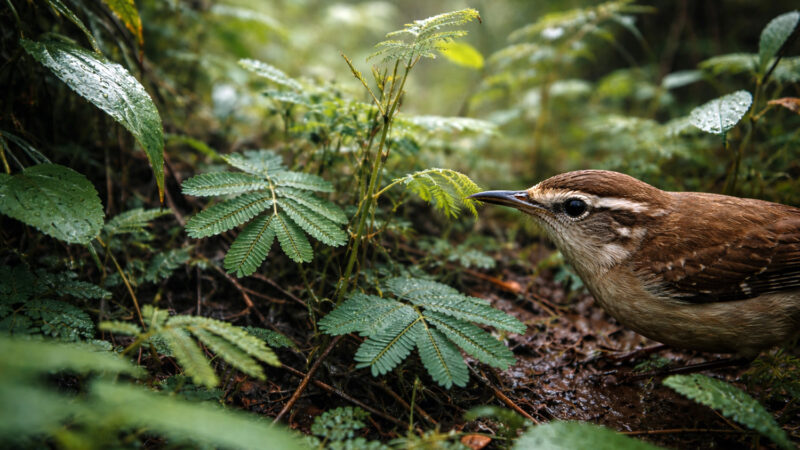
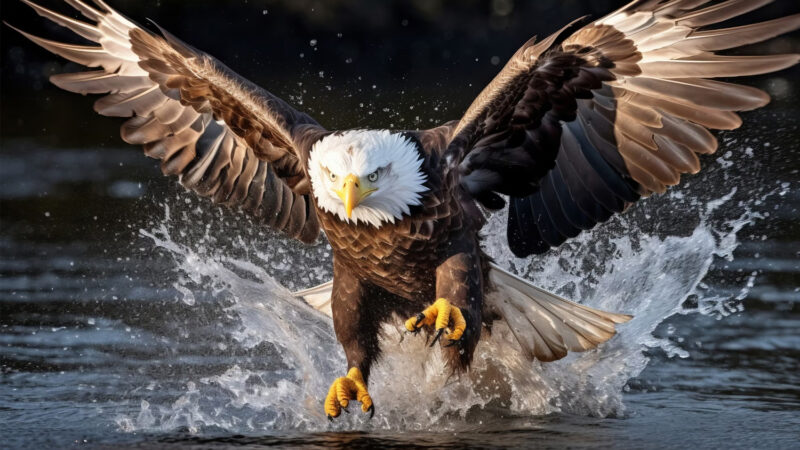
Birds are among the most successful urban wildlife groups. Peregrine falcons now nest on skyscrapers that resemble natural cliff faces, while pigeons, sparrows, and crows exploit abundant food and nesting sites. Research has shown that certain city birds sing at higher pitches to overcome traffic noise and adjust breeding schedules in response to artificial lighting.
Insects and Small Species: The Hidden Majority
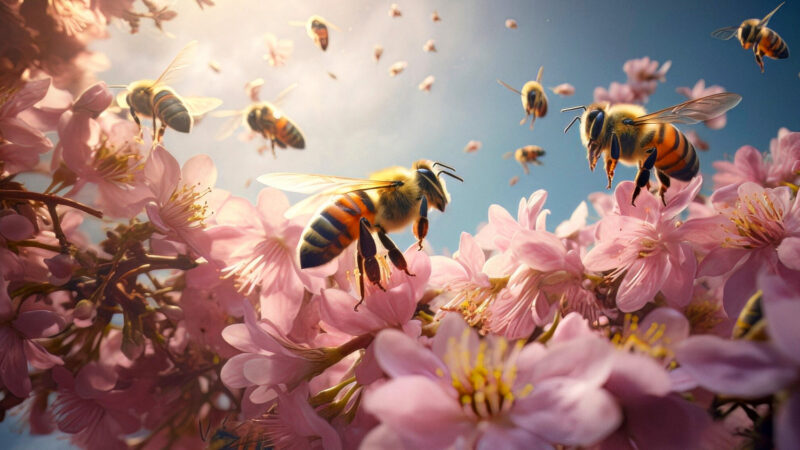
Urban ecosystems are also shaped by insects and small animals. Bees and butterflies use rooftop gardens and parks as pollination corridors, while ants and spiders thrive in microhabitats created by buildings. Some insect species have demonstrated rapid evolutionary changes in urban environments, including altered heat tolerance and behavior.
Behavioral and Biological Changes
Scientific observations have documented several recurring urban adaptations:
- Increased nocturnal activity to avoid humans
- Shorter flight distances before fleeing
- Dietary flexibility and scavenging behavior
- Changes in body size, stress response, and reproductive timing
These shifts do not occur uniformly across species, but they highlight how cities act as powerful drivers of natural selection.
The Role of Green Spaces
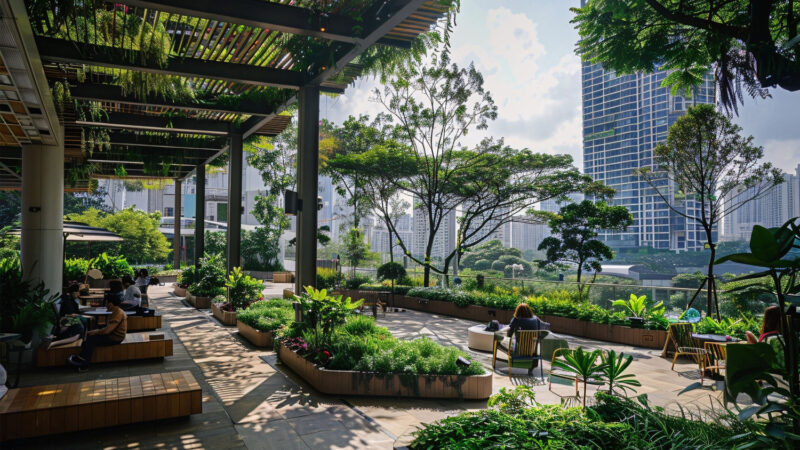
Urban parks, rivers, abandoned lots, and green roofs play a crucial role in supporting biodiversity. Even small green areas can function as stepping stones that allow animals to move, feed, and reproduce. Cities that invest in ecological planning tend to support greater wildlife diversity without increasing human–animal conflict.
Challenges and Coexistence
While urban wildlife demonstrates resilience, city life also presents risks: vehicle collisions, pollution, habitat fragmentation, and dependence on human food sources. Successful coexistence depends on informed urban planning, public education, and responsible human behavior rather than attempts to remove wildlife entirely.
What Urban Wildlife Tells Us About the Future
The rise of urban wildlife shows that nature is not disappearing-it is changing. As global urbanization continues, cities are becoming one of the most important frontiers for wildlife adaptation. Understanding how animals live alongside humans offers valuable insight into resilience, evolution, and the future relationship between nature and modern civilization.
Urban wildlife is not an anomaly-it is a sign that life adapts wherever opportunity exists.