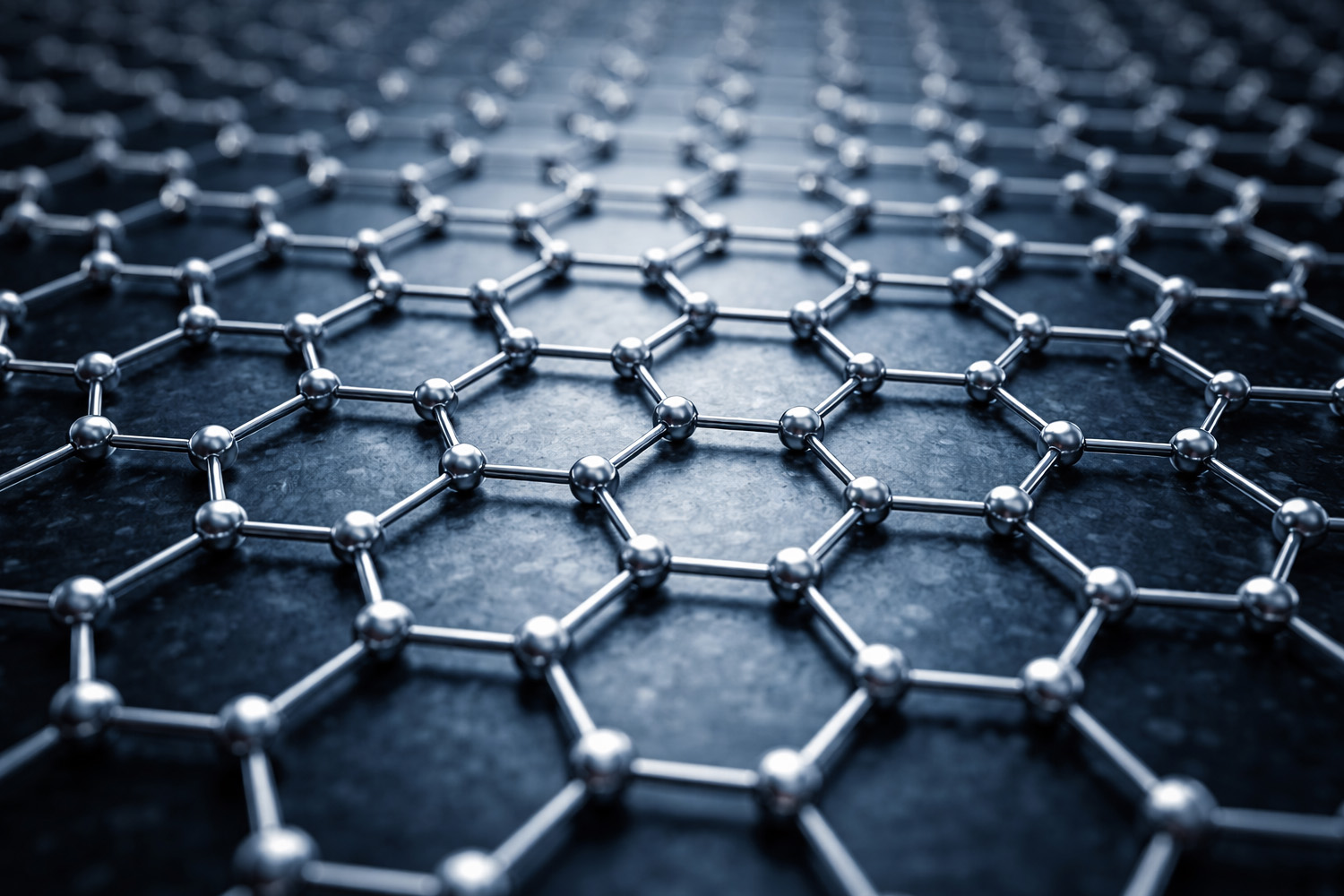
Graphene has emerged as one of the most groundbreaking materials of the 21st century. Since its first isolation in 2004, this single atom-thick layer of carbon atoms arranged in a hexagonal lattice has captivated scientists and engineers due to its exceptional properties, including outstanding electrical conductivity, mechanical strength, and thermal performance. These unique characteristics position graphene at the forefront of materials science and have led to intense research and development worldwide.
What Makes Graphene Special?
Graphene stands out because it combines remarkable strength, flexibility, and conductivity in a single ultrathin layer. Its two-dimensional structure enables properties that are far superior to many traditional materials — from higher electrical conductivity than copper to tensile strength greater than steel — making it suitable for a wide range of advanced applications, from next-generation electronics to high-performance composites.
The New Frontier: 2D Materials Beyond Graphene
While graphene’s potential is vast, researchers are rapidly exploring materials beyond graphene — a broad family of two-dimensional (2D) materials with diverse and tunable properties. These include:
- Transition Metal Dichalcogenides (TMDs) such as molybdenum disulfide (MoS₂) and tungsten disulfide (WS₂), which offer semiconducting behavior useful for next-generation transistors and optoelectronics.
- Hexagonal Boron Nitride (h-BN), an excellent insulator and substrate for building high-performance electronic devices.
- MXenes, a class of conductive 2D materials suitable for energy storage, sensors, and electronics.
- Emerging hybrids like glaphene — a chemical merger of graphene and silica that behaves as a semiconductor with novel electronic properties.
These materials are expanding the possibilities of what 2D materials can achieve, especially where graphene alone may be limited. Their structural and electronic diversity enables designers to tailor materials for specific technological challenges.
Cutting-Edge Developments
A noteworthy recent development in the field is the synthesis of a novel hybrid 2D material called glaphene, created by chemically bonding graphene with silica. This new material exhibits unique electronic and structural properties distinct from either component, opening pathways for advanced electronics, photonics, and quantum systems.
Applications Across Industries
Graphene and 2D materials are already influencing real-world technologies and hold promise for transformative applications:
- Electronics: Materials beyond graphene — like TMDs and MXenes — can be used in transistors, flexible displays, and wearable electronics.
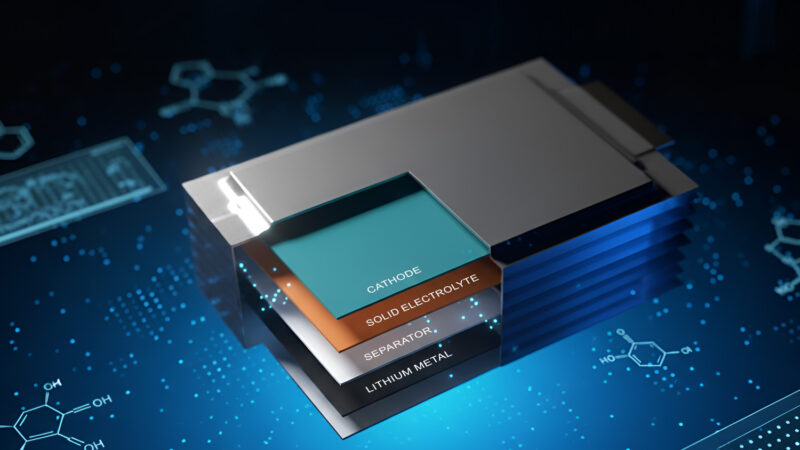
- Energy: Advanced graphene-based composites and related 2D materials are under active investigation for next-generation supercapacitors, batteries, and energy storage systems.
- Sensors and Photonics: Quantum dots and hybrid 2D materials support high-sensitivity sensors, optical devices, and photonic components.
- Biomedical Fields: Graphene derivatives are explored for biosensing, drug delivery, and diagnostic tools thanks to their large surface areas and tunable properties.
Challenges and Future Directions
Despite its promise, several challenges remain before graphene and many beyond-graphene materials see widespread commercial use. Key hurdles include:
- Scalability: Producing large quantities of high-quality 2D materials at an affordable cost remains difficult.
- Integration: Incorporating 2D materials into existing manufacturing and device technologies requires new engineering approaches.
- Stability and Compatibility: Ensuring long-term material stability and compatibility with current systems can be complex.
Researchers continue to address these challenges, with global efforts accelerating the transition of 2D materials from laboratory research to real-world applications.