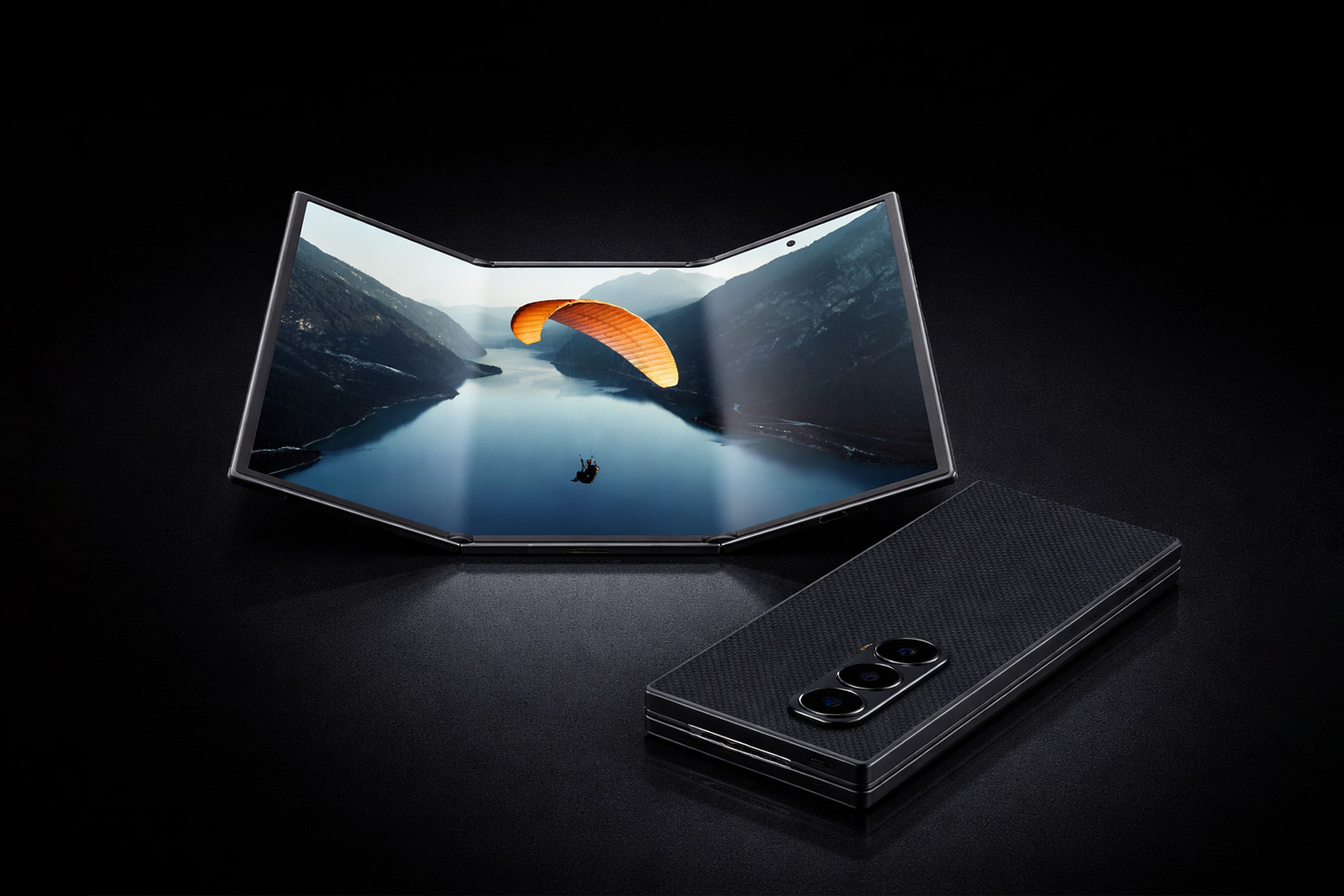
South Korean tech giant Samsung Electronics scored an early victory in the premium smartphone market with its latest flagship foldable, the Galaxy Z TriFold. Priced at $2,899 in the United States, the three-fold device sold out within minutes of becoming available — a strong signal of consumer appetite for cutting-edge mobile technology.
The Galaxy Z TriFold represents Samsung’s boldest experiment yet in foldable hardware. Unlike conventional two-panel foldables, the TriFold unfolds into three segments — promising a larger expansive screen for multitasking, content viewing and productivity while remaining pocket-friendly when folded. Samsung has positioned the device as a premium alternative to traditional tablets and laptops, blending smartphone portability with workspace flexibility.
Why It Matters
The rapid sell-out underscores several important trends in the smartphone market. First, consumer interest in foldable form factors continues to grow despite relatively high price points. Earlier foldable devices — such as the Galaxy Z Fold and Z Flip series — laid the groundwork for broader adoption, but they largely target niche segments. The TriFold’s strong launch performance suggests that early adopters are not just curious about novel designs — they are willing to invest heavily in them.
Second, Samsung’s success comes at a time when many smartphone makers face pressure from slowing global sales and extended upgrade cycles. By innovating aggressively with premium devices and unique hardware concepts, Samsung appears to be refreshing demand and differentiating itself from competitors that focus primarily on incremental updates.
Finally, the buzz around the TriFold may accelerate development in foldable ecosystems, encouraging app makers and accessory manufacturers to tailor experiences that take full advantage of larger, adaptable screens.
Trend Impact
The Galaxy Z TriFold’s sell-out has implications for both consumers and the broader mobile technology landscape. On the consumer side, early adopters now face longer wait times as Samsung and carriers restock inventory. Analysts expect follow-up batches to hit stores in the coming weeks, depending on supply chain constraints.
On the industry side, Samsung’s performance could shape competitor strategies. Rivals may announce or accelerate their own foldable or multi-fold devices to capture attention in the high-end segment. If foldable devices transition from novelty to mainstream over the next few years, mobile computing experiences could evolve significantly — blending phone, tablet and laptop functionality into unified products.
In short, the Galaxy Z TriFold’s early sell-out isn’t just a sales milestone — it may be a bellwether for the future of mobile design and consumer demand.