In a strategic move to bolster its position in the robotics and artificial intelligence sectors, SoftBank Group Corp. has agreed to acquire ABB Ltd.’s robotics division for approximately $5.4 billion. This acquisition marks a significant expansion of SoftBank’s “Physical AI” initiative, which aims to integrate advanced robotics with artificial intelligence to revolutionize industrial automation.
Transaction Details
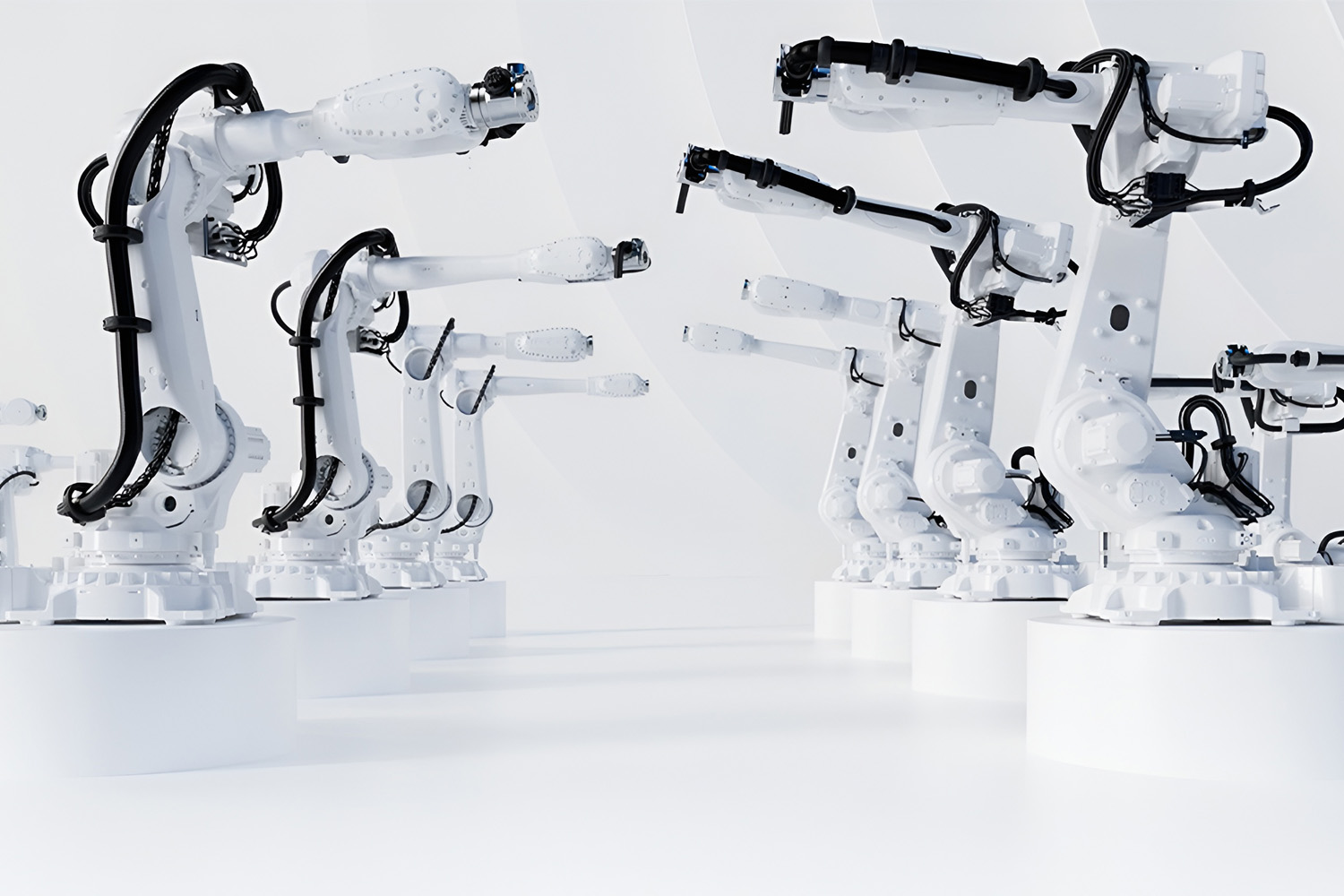
The deal involves SoftBank purchasing all shares of a newly established holding company that will own ABB’s robotics business. ABB’s robotics division, headquartered in Zurich, employs around 7,000 people globally and generated $2.3 billion in sales in 2024, accounting for about 7% of ABB’s total revenues. The division specializes in industrial robots, including robotic arms used in manufacturing processes, particularly in the automotive industry.
ABB had initially planned to spin off the robotics unit into a separate publicly listed entity. However, the company decided to sell the division to SoftBank due to declining profitability and limited synergies with its core electrification and automation businesses.
Strategic Implications
For SoftBank, this acquisition aligns with CEO Masayoshi Son’s vision of advancing “Physical AI,” combining robotics with AI to create intelligent systems capable of performing complex tasks autonomously. The integration of ABB’s robotics capabilities with SoftBank’s AI expertise is expected to accelerate the development of next-generation automation solutions.
ABB plans to utilize the proceeds from the sale to reinvest in its more profitable areas, such as electrification and automation, and to return value to shareholders. The transaction is expected to close by mid-to-late 2026, subject to regulatory approvals and customary closing conditions.
Conclusion
This acquisition underscores the growing importance of robotics and artificial intelligence in the global market. By acquiring ABB’s robotics division, SoftBank is positioning itself at the forefront of the AI-driven automation revolution, with the potential to influence various industries, including manufacturing, logistics, and healthcare.