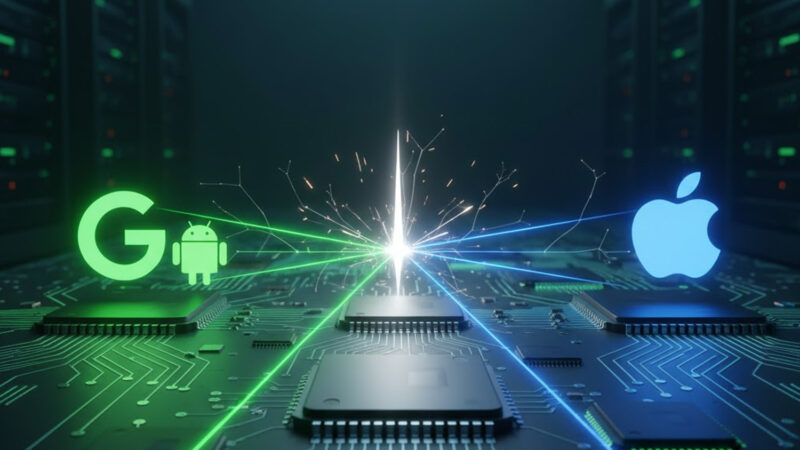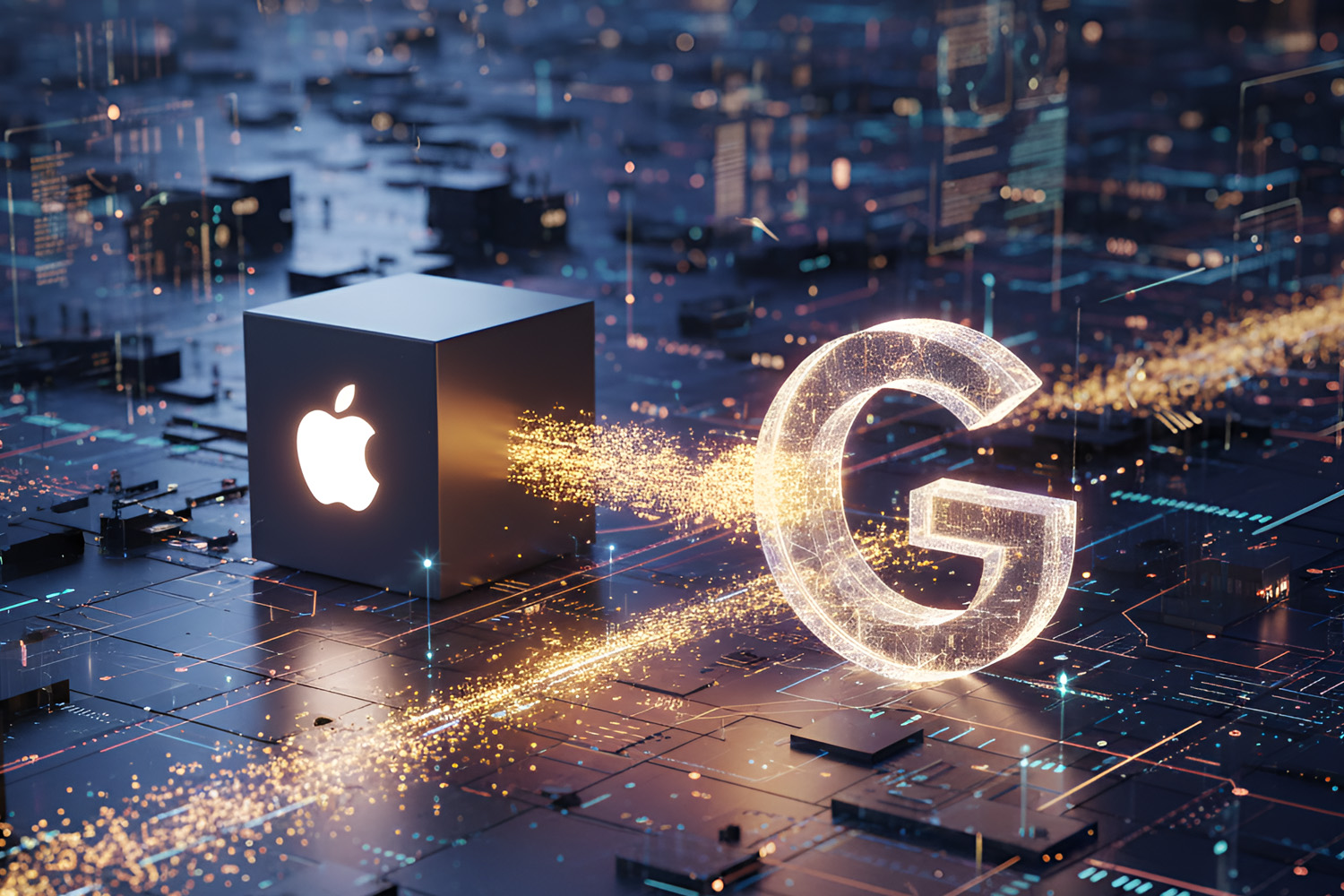
Apple Inc. (Apple) is reportedly preparing a major upgrade of its voice assistant, Siri, by leveraging a custom-built version of Gemini, the large language model developed by Google LLC. According to multiple credible sources, the rollout is expected in March or April 2026, under the next major update of iOS (and likely accompanied by refreshed hardware and Apple’s broader artificial-intelligence initiative, Apple Intelligence).
What’s reported so far
- Apple reportedly conducted an internal evaluation between possible models from Google (Gemini) and Anthropic (Claude) and ultimately chose Gemini, in part for cost and strategic reasons.
- The custom Gemini-based model will run on Apple’s private cloud servers (often referred to as Private Cloud Compute or PCC) so that user data and model computation stay within Apple-controlled infrastructure—addressing Apple’s longstanding emphasis on privacy.
- The partnership is reportedly not going to result in overt Google branding inside Siri. Apple intends to market the enhanced assistant as Apple’s technology, even while Gemini works behind the scenes.
- Features expected from the upgrade include: more natural conversational responses, improved AI-powered web search capability, contextual summarization (e.g., “what did my friend say about that book?”), better integration with iOS/macOS apps and ecosystem services.
- The expected timing: spring 2026 (with the iOS 26.4 update) is widely cited. There is also a chance of associated hardware launches (smart home display, updated HomePod/AppleTV) tied to the upgrade.
Why this matters
- Siri has lagged behind rival assistants (e.g., Google Assistant, Amazon Alexa) in perceived intelligence and conversational ability; a major overhaul powered by a top-tier model like Gemini could help close the gap.
- For Apple, this is part of a broader push into AI and services (“Apple Intelligence”) at a time when hardware alone is less differentiating; bringing advanced AI to its ecosystem helps strengthen its long-term platform value.
- Privacy is a central concern for Apple’s user base and brand; choosing to run the model on its own infrastructure helps maintain that promise, which could be a competitive edge.
- The collaboration with Google is notable because Apple and Google are fierce competitors in many domains (mobile OS, search, hardware). The depth of cooperation signals how strategic AI has become.
- For developers and users, this may mean new Siri capabilities, changes in how third-party apps integrate with Siri, and increased expectations of AI-first features on iPhones, iPads, Macs and home devices.
Risks and caveats
- None of the companies (Apple or Google) have publicly confirmed the full terms of the deal, so the reports remain rumours until official release.
- Timing remains subject to change: Apple previously announced delays for Siri improvements, saying in March 2025 that certain advances would now arrive in 2026.
- Integration of a third-party model into a user-facing consumer product has technical, privacy and UX challenges; Apple insiders reportedly are cautious whether user acceptance will meet expectations.
- Despite the Gemini backend, if UI/UX or access are limited (e.g., high hardware requirements, server latency) users may not perceive the improvement as significantly as marketers hope.
What to watch next
- Apple’s preview at its 2026 Worldwide Developers Conference (WWDC) — likely in June — for announcements of Siri/Apple Intelligence roadmap and possibly hardware tie-ins.
- iOS 26.4 release schedule (expected spring 2026) and whether Apple provides developer betas or public previews of the upgraded Siri.
- Any regulatory disclosures or filings that mention the deal between Apple and Google (e.g., data-sharing, cloud infrastructure, antitrust).
- Early hands-on reviews from beta testers: does Siri demonstrate improved conversational fluency, proactive assistance, and deeper app integration?
- How competitors respond (e.g., Google, Amazon, Microsoft) — Apple’s move may spur a new phase of mobile-assistant innovation and hardware upgrades.