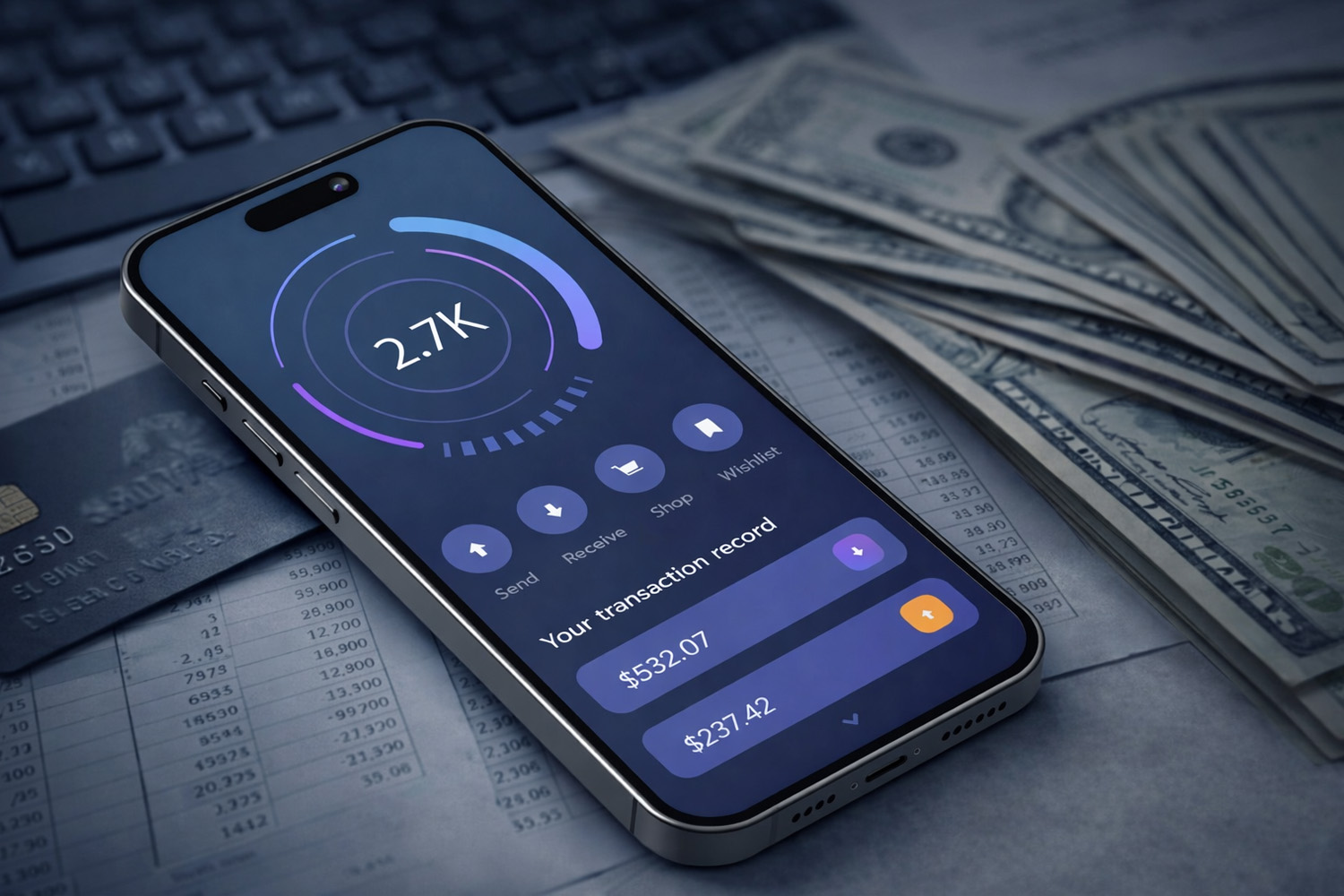
Managing your money effectively is easier than ever thanks to a wide range of budgeting and finance apps that help you track spending, set savings goals, monitor bills and understand your financial habits. Based on the latest reviews and expert recommendations for 2025–2026, here are some of the top apps worth considering:
1. You Need a Budget (YNAB) – Best for Zero-Based Budgeting
YNAB focuses on assigning every dollar a job, helping you plan ahead and avoid overspending. It’s highly rated for disciplined budgeting and long-term financial planning.
Pros:
- Encourages disciplined, zero-based budgeting where every dollar is given a purpose.
- Strong tools for tracking goals and debt payoff.
- Excellent educational resources and active community support.
Cons:
- Subscription cost (no permanent free tier).
- Steep learning curve for beginners new to budgeting.
- Requires hands-on engagement to maintain your budget plan.
2. Wallet by BudgetBakers – Best for Cash Flow Monitoring
Wallet offers a clear overview of your income and expenses, automatically categorising your transactions and showing expected cash balances. It’s ideal for users who want a comprehensive cash flow snapshot.
Pros:
- Offers web version and multiple device syncing.
- Automatic bank link and clear cash flow overview for many users.
Cons:
- Some users report mixed reviews on support and reliability.
- May lack advanced budgeting features compared with premium tools.
3. PocketGuard – Great for Spending Control
PocketGuard connects with your financial accounts and calculates how much you can safely spend after bills and savings goals, helping reduce unnecessary spending.
Pros:
- Simple, beginner-friendly interface ideal for everyday spending tracking.
- Shows how much money is safe to spend after bills and goals.
- Free basic version available.
Cons:
- Customisation and advanced goal planning are limited.
- Not ideal for tracking investments or complex budgets.
- Occasional syncing delays with smaller banks reported in some reviews.
4. Rocket Money – Best for Subscription Management
Rocket Money identifies recurring subscriptions and can help cancel ones you no longer need. It also provides tools to set goals and even negotiate some bills on your behalf.
Pros:
- Excellent for identifying unused subscriptions and eliminating waste
- Helps negotiate bills automatically for potential savings.
- Easy interface for basic financial tracking.
Cons:
- Limited advanced budgeting features and custom budgeting tools.
- Free version can be basic; features often require premium.
5. Spendee – Beginner-Friendly Budgeting Tool
Spendee’s simple and intuitive interface makes it a good option for those new to budgeting apps. It shows spending in easy-to-read graphs and helps build habits without overwhelming detail.
Pros:
- Clean visual design with easy spending breakdowns.
- Simple setup and straightforward expense tracking.
Cons:
- Less powerful goal planning than apps like YNAB or Monarch Money.
- May require manual adjustments depending on user needs.
6. Lunch Money – Best for Desktop Budgets
Lunch Money is a web-first budgeting tool with robust features like automatic transaction imports and expense categorisation. It’s ideal if you prefer budgeting from your computer.
Pros:
- Great for desktop-first users and detailed planning.
- Automatic import of transactions and flexible categorisation.
Cons:
- Paid subscription required; fewer free features.
- Not as extensive investment tracking as some competitors.
7. Quicken Simplifi – Best for Household Finance
Simplifi by Quicken tracks bills, budgets, subscriptions, and spending in one place. It’s particularly useful for family budgeting and planning shared finances.
Pros:
- Real-time expense syncing and easy calendar-based cash flow.
- Strong alerts and visual net-worth tracking.
- Works well for day-to-day financial snapshots.
Cons:
- Limited advanced budgeting compared with dedicated tools like YNAB.
- No free version beyond short trial.
- Doesn’t focus on credit score monitoring or deep planning.
8. Goodbudget – Digital Envelope Budgeting
Goodbudget uses a virtual “envelope system” to allocate funds for different categories such as rent, groceries, and debt repayment. This traditional method is now streamlined with digital tools.
Pros:
- Easy to use envelope-style budgeting helps control spending.
- Encourages mindful allocation of funds for each category.
- Works well for couples and family finances with shared envelopes.
Cons:
- Manual data entry required in free tier.
- Limited automated syncing compared with app competitors.
- Not ideal for investment or detailed net worth tracking.
9. Honeydue – Budgeting for Couples
Honeydue lets couples share financial information, set spending limits, and communicate about money together — making joint budgeting easier.
Pros:
- Designed specifically for couples’ joint budgeting.
- Custom privacy controls let partners share selected accounts.
- Free to use and easy to set up.
Cons:
- Budgeting tools are basic compared to full finance apps.
- No detailed forecasting or investment tracking.
- Limited advanced planning features.
How to Use This Guide
Each app serves different needs:
- Best for deep budgeting: YNAB and Goodbudget
- Best for everyday spending: PocketGuard and Rocket Money
- Best for couples: Honeydue
- Best for full financial overview: Quicken Simplifi and Spendee