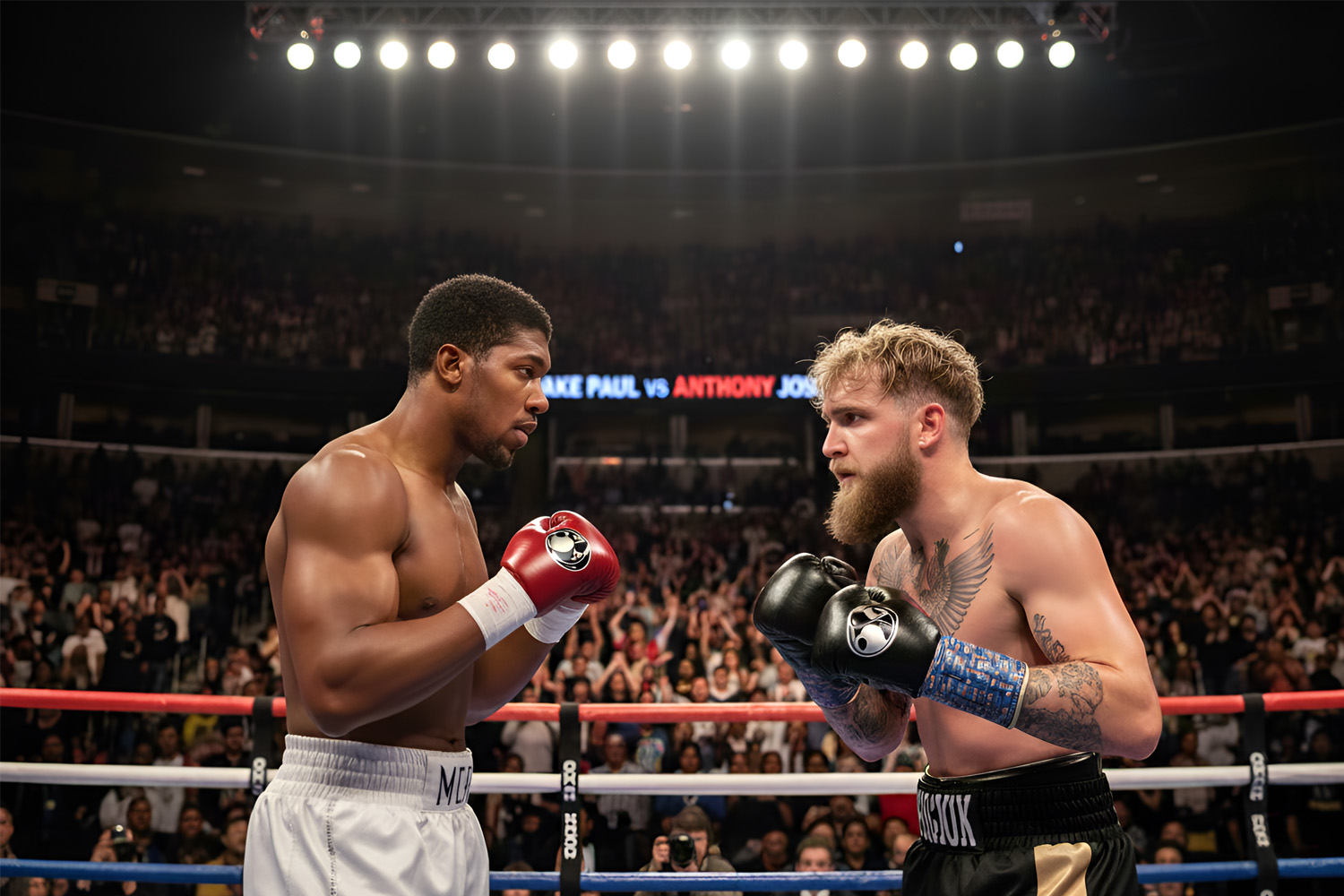
Influencer boxing—often called “crossover boxing”—has become one of the most significant shifts in combat sports over the past decade. What began as a novelty has evolved into a major entertainment format that attracts global audiences, major sponsors, and even professional fighters. As social-media creators enter the ring, the sport of boxing is experiencing new growth, new business models, and a new generation of fans.
How Influencer Boxing Began
The crossover trend started when YouTube creators and online personalities began organizing amateur matches that quickly drew massive online viewership. The early events demonstrated that influencer-driven entertainment could generate audience numbers rivaling traditional boxing broadcasts.
As a result, sports networks, streaming platforms, and promoters recognized the commercial potential. Within a few years, influencer boxing events began selling out arenas and generating pay-per-view numbers competitive with established professional bouts.
A New Business Model for Combat Sports
Influencer boxing changed how boxing events are promoted and consumed. Social-media creators bring built-in audiences, making marketing faster and more effective.
Today, crossover events often feature:
- Large digital-first audiences
- High engagement across TikTok, Instagram, and YouTube
- Sponsorships oriented toward younger demographics
- Hybrid fight cards including influencers and professional athletes
This model has expanded boxing’s reach far beyond traditional sports fans.
Bringing a New Generation to Boxing
One of the most notable effects of influencer boxing is its impact on younger audiences. Millions of viewers who may never have watched a boxing match now follow the sport through their favorite creators.
This has led to:
- Increased interest in boxing gyms and training programs
- Greater visibility for professional fighters featured on crossover cards
- Renewed mainstream attention for the sport
By blending entertainment and athletics, influencer boxing has helped revive public interest in boxing at a time when audience numbers had been declining.
Influence on Professional Boxing
While traditional boxing and influencer boxing remain distinct, the crossover between the two has reshaped expectations for event production, promotion, and social-media presence.
Professional boxers who actively engage online often see stronger fan support and better fight marketing. Meanwhile, some influencers have taken their training seriously, competing in officially sanctioned matches and facing professional opponents.
This merging of entertainment and athletic performance continues to influence how the sport innovates and adapts.
Criticism and Ongoing Debate
Not everyone in the boxing world agrees on the value of influencer fights. Critics argue that these events can overshadow experienced athletes and shift attention away from championship-level competition. Others point out that the entertainment-driven format can dilute the sport’s traditional standards.
However, supporters note that increased visibility and revenue ultimately benefit the entire boxing ecosystem.
The Future of Crossover Boxing
Influencer boxing is no longer a temporary trend—it has become a stable, profitable branch of modern combat sports. With new promotions, higher production quality, and growing mainstream acceptance, crossover events are set to remain a major part of boxing’s global landscape.
As creators, athletes, and audiences continue to merge, boxing is experiencing a transformation that blends tradition with the digital age—reshaping how the sport is watched, promoted, and understood.
Influencer boxing didn’t just enter the sport. It changed it.