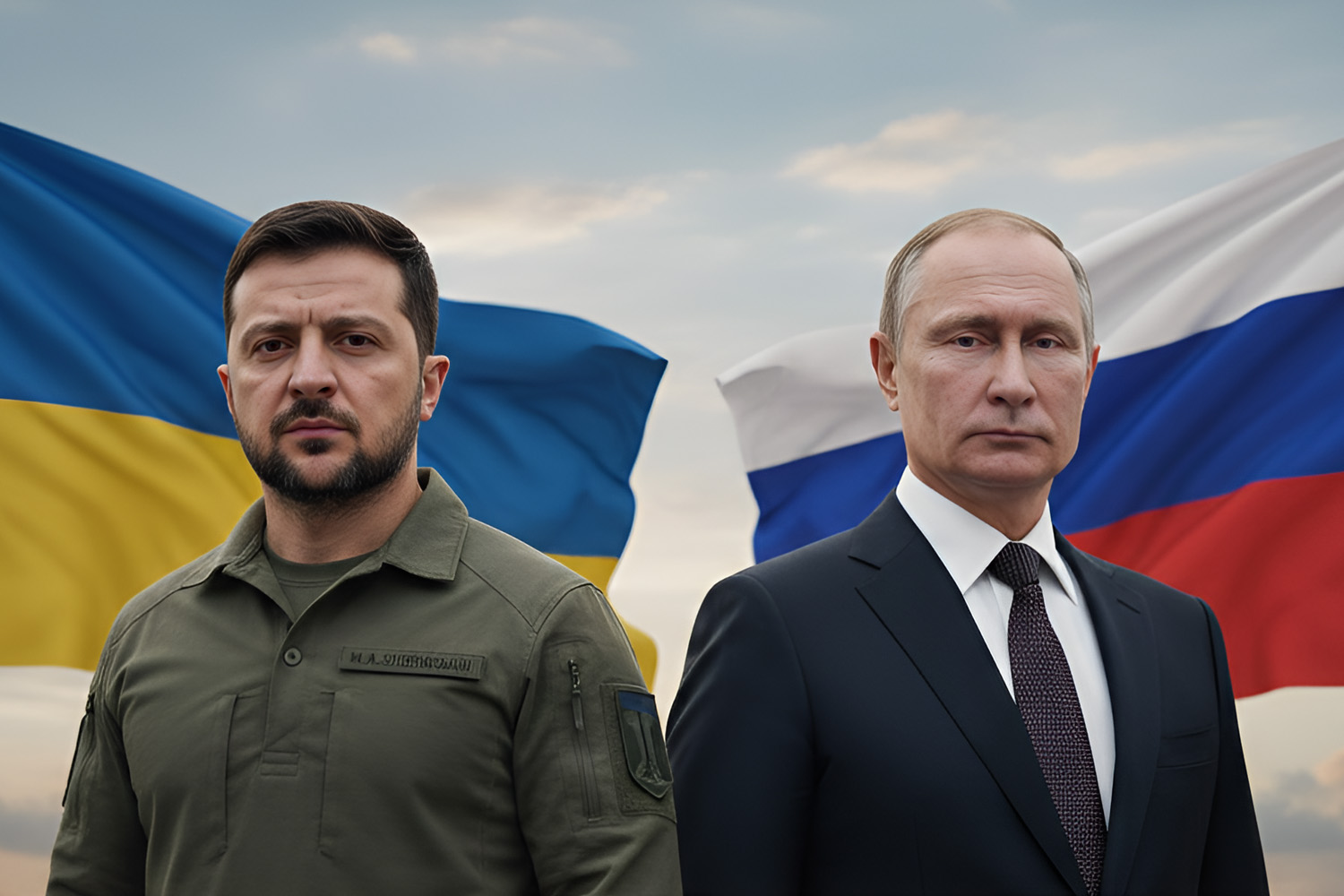
As the Russia-Ukraine war enters its fourth year, questions about how the conflict can ultimately be resolved have intensified. A recent statement by Matthew Whitaker at the Munich Security Conference suggested that only one global power might have enough leverage to compel an end to the conflict — but the full picture is more layered and diplomatically complex.
China’s Role: A “Phone Call” or a Limited Lever?
Whitaker argued that China, by virtue of its deep economic and technological ties with Russia, could influence Moscow’s ability to sustain the war, potentially pressing for a ceasefire or settlement. He pointed to China’s supply of dual-use technologies and its position as a top buyer of Russian oil as key enablers of Russia’s war effort — asserting that halting such support could force a rapid end to hostilities.
Beijing has repeatedly rejected the notion that it directly controls Russian policy. Wang Yi stated at the same Munich forum that China is not a party to the conflict and “does not have the final say” over Russia’s decisions, positioning itself instead as a potential facilitator of dialogue and humanitarian assistance.
In practice, China’s ability to unilaterally force Russia to end the war appears constrained. Strategic calculations, regional partnerships and Beijing’s own interests complicate any assumption that a phone call alone could end a large-scale conflict that Moscow sees as central to its security posture.
What the United States and Europe Can Do
While Beijing has a unique economic relationship with Moscow, Western powers retain other diplomatic, economic and security tools that could influence the trajectory of the war — without violating Ukrainian sovereignty:
- Economic Pressure and Sanctions: The United States and its European allies have imposed sweeping sanctions targeting Russia’s energy exports, financial institutions and defence sector. They also maintain proposals to expand sanctions to Chinese entities that supply dual-use components to Russia, aiming to reduce Moscow’s capacity to sustain its military industrial base.
- Frozen Russian Assets: The European Union collectively holds over €200 billion in frozen Russian sovereign assets. Political leaders such as Kaja Kallas have suggested crafting conditions — including peace-settlement demands — tied to how these resources are used, potentially pressuring Moscow to come to the negotiating table.
- Security Guarantees and Diplomacy: The U.S. continues to negotiate security guarantees and peace frameworks with European partners and Ukraine. Such engagement, including ceasefire monitoring mechanisms and long-term deterrence commitments, could shape the incentives for a negotiated end.
- Multilateral Peace Talks: Some analysts and diplomats advocate for inclusive diplomatic frameworks involving permanent UN Security Council members, Ukraine, and European representatives — a model that avoids zero-sum demands and encourages shared interests such as stability and reconstruction.
Why it matters
The question of “who can end this war” touches on global power balances, economic interdependence and the limits of diplomatic leverage. While China’s economic influence on Russia is significant, strategic interests and geopolitical considerations limit Beijing’s willingness to enforce an end to the conflict on its own. Meanwhile, the United States and its European allies hold complementary tools — from sanctions and asset leverage to long-term security frameworks — that, when coordinated with Ukrainian leadership and international law, form the backbone of any sustainable peace strategy.
Trend impact
The course of the war will likely depend on a combination of economic pressure, diplomatic negotiation frameworks, and shifting strategic priorities among major powers. As Russia continues to demand territorial and political concessions, any resolution must balance deterrence against future aggression with respect for Ukraine’s sovereignty — a complex formula that will shape European and global security architecture for years to come.