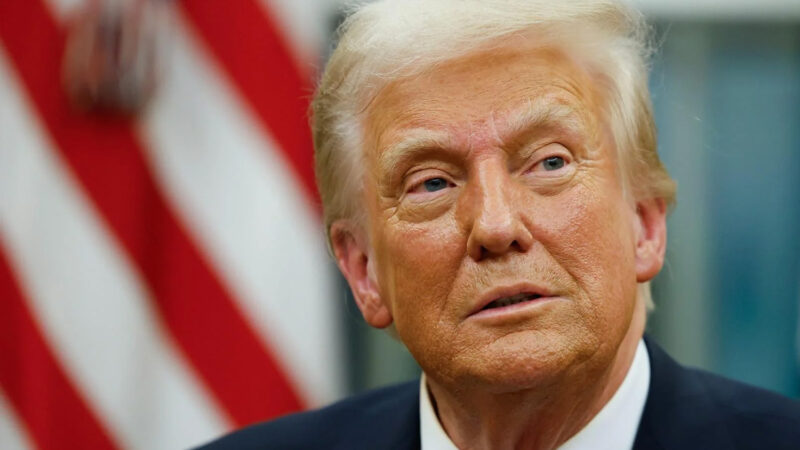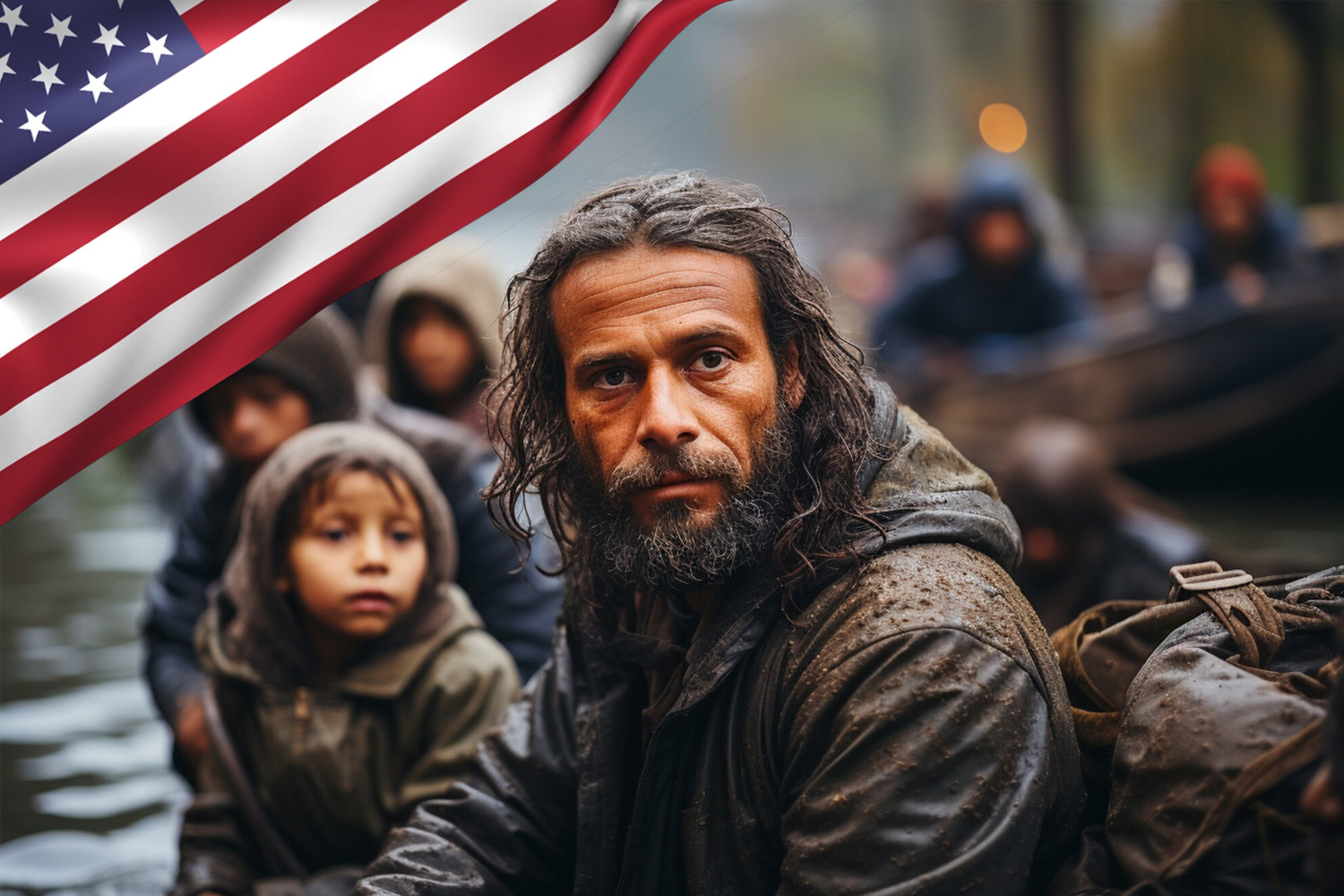
The United States will temporarily — and according to its president, “permanently” — pause migration from what he called “Third World countries,” an abrupt shift in U.S. immigration policy announced by Donald J. Trump on 28 November 2025.
What Trump Announced
- On his social media platform, Trump declared that the U.S. will halt all immigration from “all Third World Countries” to allow the U.S. system to “fully recover.”
- He did not specify which countries qualify under that term.
- The plan includes revoking federal benefits for noncitizens, denaturalizing some migrants deemed threats, and deporting foreign nationals considered security risks or not “net assets” to the United States.
- The measure reportedly targets visas, asylum approvals, and Green Cards — including some issued under prior administrations.
Context & Background
- Earlier in 2025, the Trump administration issued a proclamation (signed 4 June) restricting immigration from a list of 19 countries — citing national security and vetting concerns.
- Among the countries affected by the earlier ban were Afghanistan, Myanmar, Haiti, Iran, Somalia and others.
- The new November announcement expands the scope beyond that list — though it remains vague. Officials have yet to publish a definitive updated list or legal text confirming the broader ban.
What We Know — and What’s Unclear
- ✔ The president’s public post and subsequent media reporting confirm a policy shift.
- ✔ U.S. immigration authorities have already halted processing of certain visa and immigration requests — especially for nationals of Afghanistan and other previously restricted countries.
- ? It remains unclear which countries beyond the earlier restricted 19 are now considered “Third World.”
- ? No detailed legal text or official list has yet been published for this new pause. As such, the full scope and implementation timeline remains uncertain.
Reactions & Implications
The announcement has sparked concern among immigrant-rights groups, legal experts, and humanitarian organizations. Critics argue that:
- The term “Third World countries” is vague and could arbitrarily affect many nationalities.
- Broad bans risk unfairly impacting people who immigrated legally or were cleared through vetting.
- The lack of transparent criteria and process undermines legal certainty for immigrants and asylum seekers.
On the other hand, supporters of the policy argue it is necessary for national security and for the U.S. to reassess its immigration system after years of high inflows.