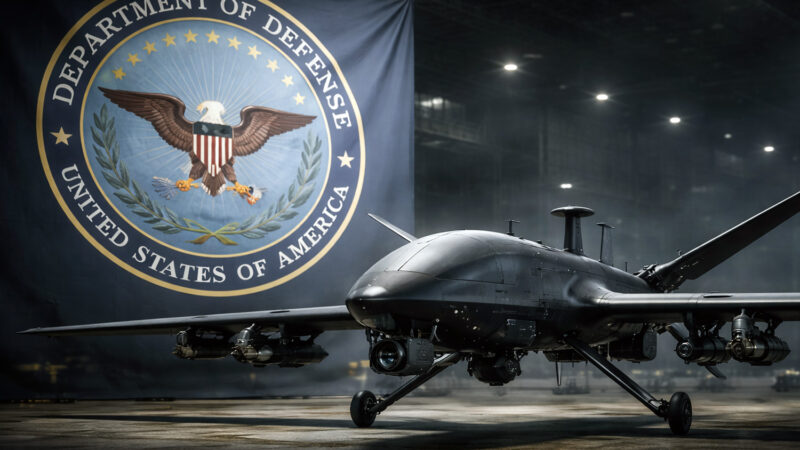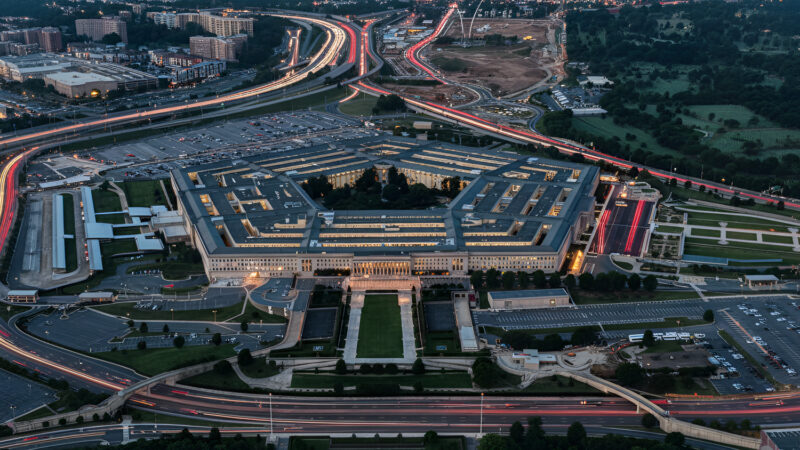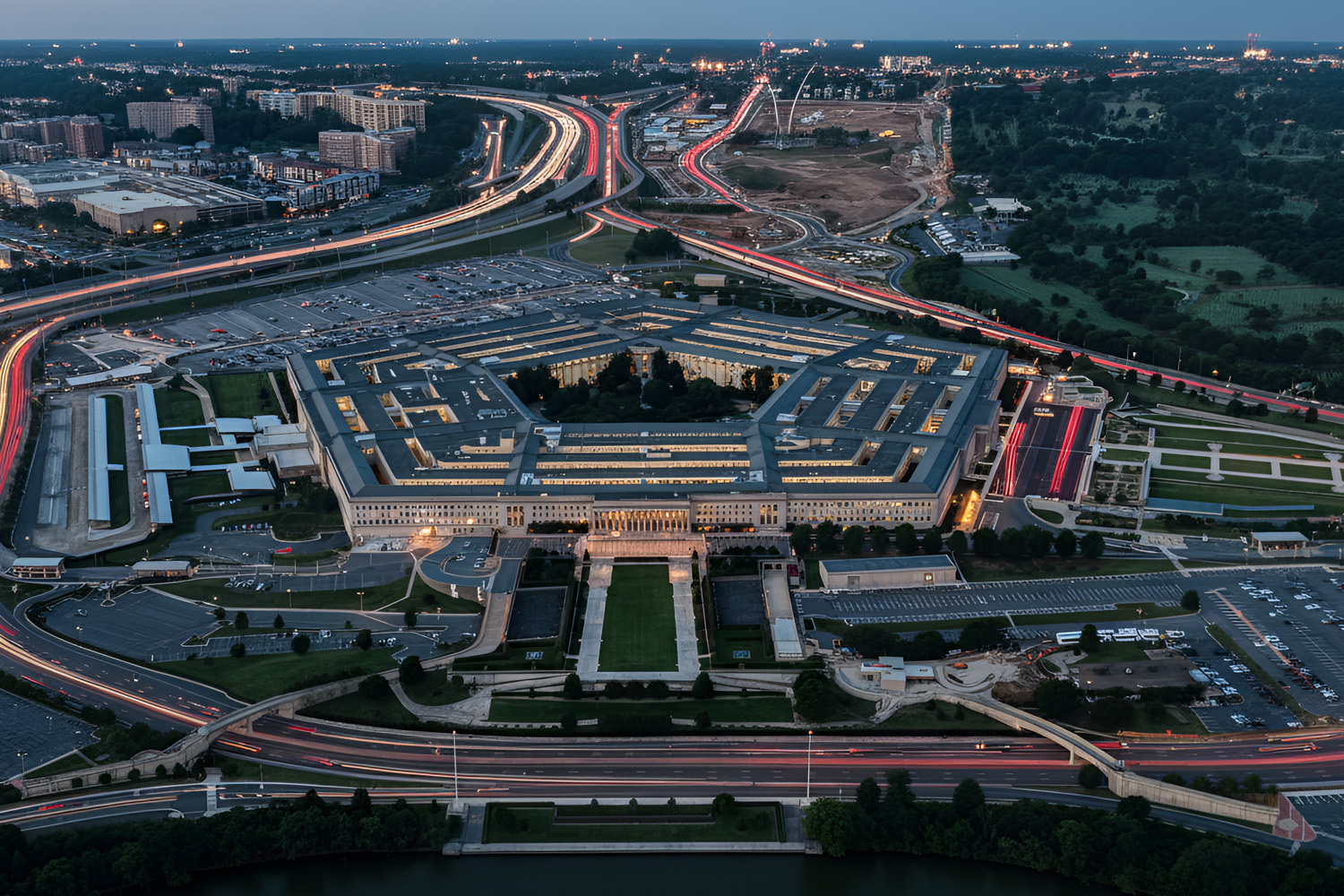
In January 2026, the United States Department of Defense — referred to in the Pentagon’s new National Defense Strategy (NDS) — formally reoriented its global military priorities, placing defense of the U.S. homeland and strategic terrain in the Western Hemisphere above traditional commitments in Europe. This marks a notable shift in U.S. defense policy and underscores changing threat perceptions and geopolitical priorities for the coming years.
Major Changes in the 2026 National Defense Strategy
The 2026 NDS, released by the Pentagon and aligned with the Trump administration’s wider National Security Strategy, sets out a defense agenda centered on protecting the American homeland and surrounding regions rather than concentrating on distant theatres. Under the updated strategy:
- Homeland defense and the Western Hemisphere are designated as U.S. military priorities, with special emphasis on **strategic access and influence over key terrain such as Greenland, the Panama Canal and the Gulf region.
- Deterring China in the Indo-Pacific remains important, but it is framed as a deterrence mission rather than a drive for confrontation or dominance.
- Support for allies in Europe and elsewhere will be more “critical but limited,” signaling that U.S. partners are expected to take on a larger share of their own defense responsibilities.
Although Europe remains an ally and is expressly acknowledged as a security partner, its relative priority in U.S. defense planning has receded compared with the defense of the U.S. homeland and the Western Hemisphere. As the NDS states, European nations will play a larger role individually and through NATO, with U.S. forces providing essential but more measured support.
Why Greenland Is Highlighted
Greenland, a semi-autonomous Danish territory in the Arctic, is referenced multiple times in the strategy as “key terrain” critical to U.S. interests, particularly given its strategic location and proximity to the Arctic and North America. Securing military and commercial access to Greenland forms part of the Pentagon’s stated goal to defend the homeland and preserve secure logistics routes across the hemisphere.
The focus on Greenland reflects broader geopolitical concerns, including competition with other powers in the Arctic, as well as the island’s potential role in missile defense and early warning systems.
Europe’s Role in U.S. Defense Policy
Under the new strategy, Europe and NATO allies remain important to America’s security framework, but the approach has evolved:
- The strategy asserts that European nations collectively possess robust economic and military resources capable of addressing many regional threats with leadership from within Europe itself.
- The United States will continue to engage with NATO and European defense cooperation, but with a greater emphasis on allied burden-sharing, encouraging partners to strengthen their own defense capabilities.
- The responsibility for resolving security challenges like the conflict in Ukraine is framed as primarily Europe’s domain, with U.S. support described as limited but critical.
This reinterpretation of transatlantic security represents a shift from past strategies that placed collective defense of Europe at the forefront of U.S. military planning.
Strategic Implications
Analysts see the 2026 Defense Strategy as part of a broader U.S. effort to recalibrate military priorities in light of evolving global dynamics:
- By elevating homeland security and Western Hemisphere interests, the U.S. seeks to reinforce defensive depth close to its borders.
- A more limited overseas commitment could pressure allied nations — particularly in Europe — to invest more heavily in their own defense.
- While deterrence remains central, the change also reflects a recalculation of how the United States engages with major powers like China and long-standing alliances like NATO.
What This Means for Global Security
The shift in U.S. defense strategy signals to allies and partners around the world that America’s defense priorities are adapting to current geopolitical conditions. While Europe will continue to benefit from U.S. engagement and collective defense mechanisms, the emphasis on Greenland and the Western Hemisphere underscores a move toward regional defense tailored to emerging security challenges.
As the strategy rolls out and new defense investments are made, NATO partners, allies in the Indo-Pacific and other regions will likely adjust their own planning and cooperative frameworks in response to evolving American priorities.