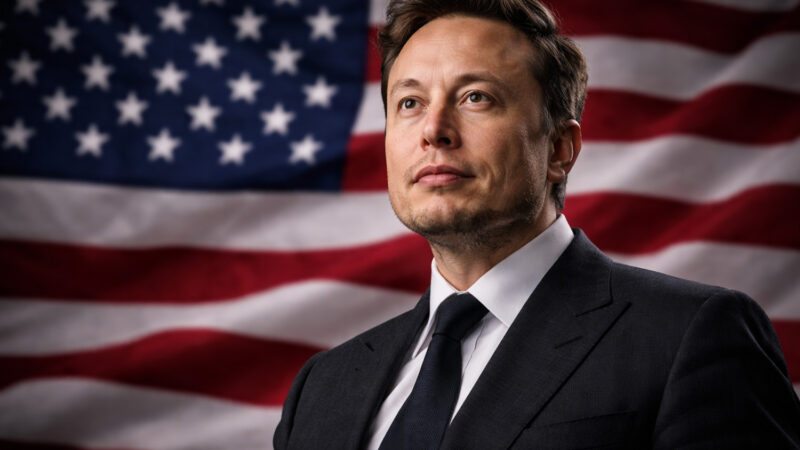
Senior figures in the United States have sharply criticized the European Union’s energy policy, arguing that current market practices are indirectly undermining Western sanctions against Russia. According to comments attributed to Scott Bessent, described in reports as a senior U.S. economic official, Europe is effectively financing the conflict it opposes by allowing Russian oil revenues to continue flowing into Moscow’s budget.
The criticism centers on Europe’s continued consumption of refined petroleum products originating from Russian crude oil, which is largely processed in third countries such as India. While the EU has significantly reduced its direct imports of Russian oil since the start of the war in Ukraine, Russian crude is still being sold to non-European buyers at discounted prices. These buyers refine the oil and export fuels such as diesel to global markets, including Europe.
According to Bessent’s assessment, this practice enables Russia to bypass Western sanctions without technically violating them. Although European countries no longer purchase large volumes of Russian crude directly, the demand for refined products derived from that oil continues to generate substantial revenue for the Kremlin. These proceeds, he argued, contribute to Russia’s ability to finance its military operations.
India has emerged as one of the largest buyers of Russian oil since sanctions were introduced, taking advantage of lower prices to support its growing energy needs. The refined products are then sold internationally, highlighting the complexity of global energy supply chains and the limitations of sanctions in a highly interconnected market.
The remarks reflect growing concern in Washington that Europe’s energy transition away from Russian supplies remains incomplete. U.S. officials have repeatedly called for stricter enforcement of sanctions and greater transparency in global oil trade flows to prevent indirect financing of Russia’s war effort.
As debates over energy security, sanctions effectiveness, and geopolitical risk intensify, the issue underscores the challenges Western governments face in aligning economic policy with strategic objectives in a globalized energy market.