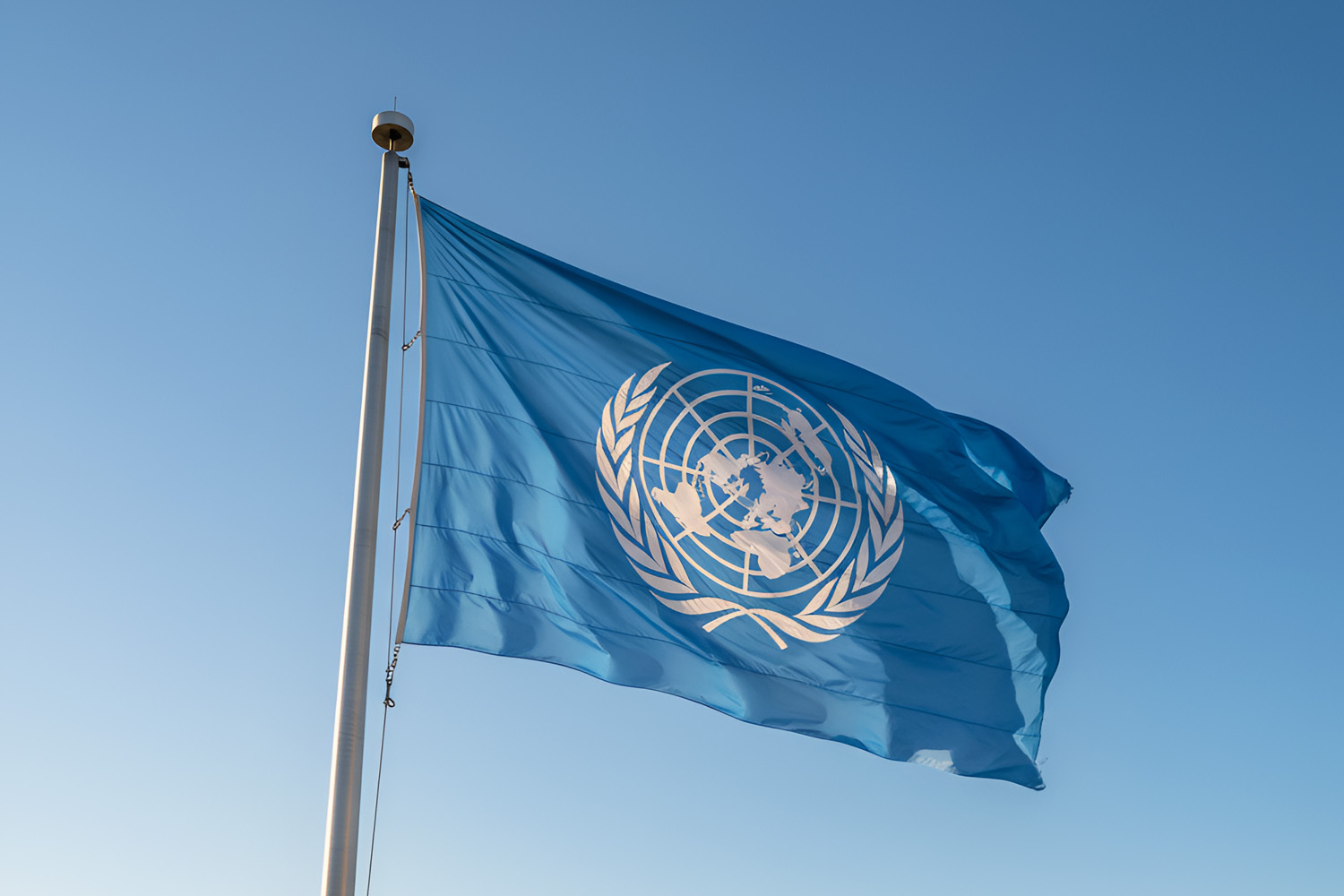
On October 27 2025, the United Nations publicly expressed concern that the European Union’s ongoing drive to simplify its sustainability, chemicals and supply-chain regulations could have far-reaching adverse effects on countries in the Global South.
Senior UN officials—including Rolph Payet, executive secretary of the Basel, Rotterdam and Stockholm conventions—warned that non-industrialised countries often rely on high EU regulatory standards to strengthen their own domestic legislation. According to Payet, „when Europe is weakened, it also weakens African countries’ ability to deal with issues such as chemical waste.“
The EU has, over 2025, been implementing a so-called “simplification” agenda—postponing deadlines for sustainability reporting, easing certain due-diligence rules (for example in the batteries sector) and reviewing its chemicals regime under what officials call efforts to reduce administrative burdens and boost competitiveness.
While the European Commission defends the review as a legitimate balancing exercise between regulatory protection and business-efficiency, UN experts say the process is becoming overly influenced by industrial interests and political pressures rather than purely by technical risk-assessment.
Why it matters:
- The EU often sets de-facto global regulatory standards. A rollback in its regulations could reduce incentives or pressure on other countries to adopt strong protections in areas like chemical safety, environmental reporting and responsible supply chains.
- Developing countries may face a “race to the bottom” if the benchmark shifts downward, undermining efforts to raise domestic regulatory capacity, protect public health and the environment, and maintain export market credibility.
- Businesses and investors are watching the shift closely: if regulatory standards diverge globally, this may impact supply chain risk-management, corporate compliance obligations and reputational dynamics.
What to pay attention to:
- Whether the EU will adjust its simplification agenda in response to UN warnings, or whether the process continues without recalibration.
- How developing countries respond: will they push for alternative standards, seek to align with other regulatory regimes (e.g., in Asia or North America), or face capacity erosion?
- How global companies adapt, supply-chain audits and cross-border trade in regulated goods.
As the regulatory landscape shifts, the interplay between global governance, industry competitiveness, and national capacity-building in developing nations will remain a key focus.