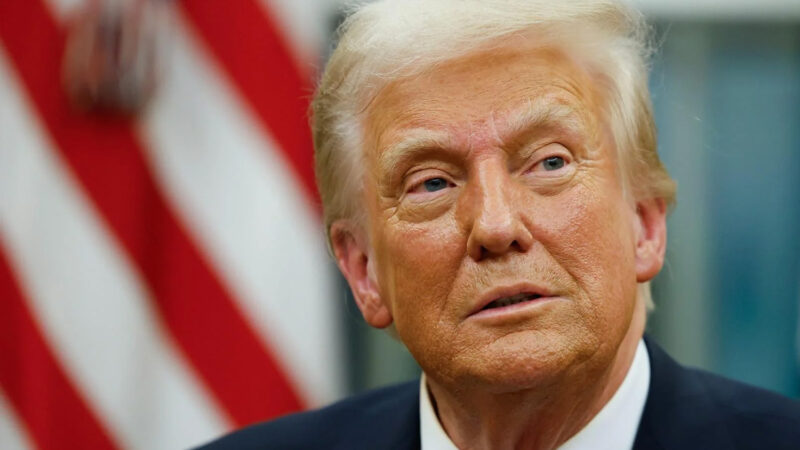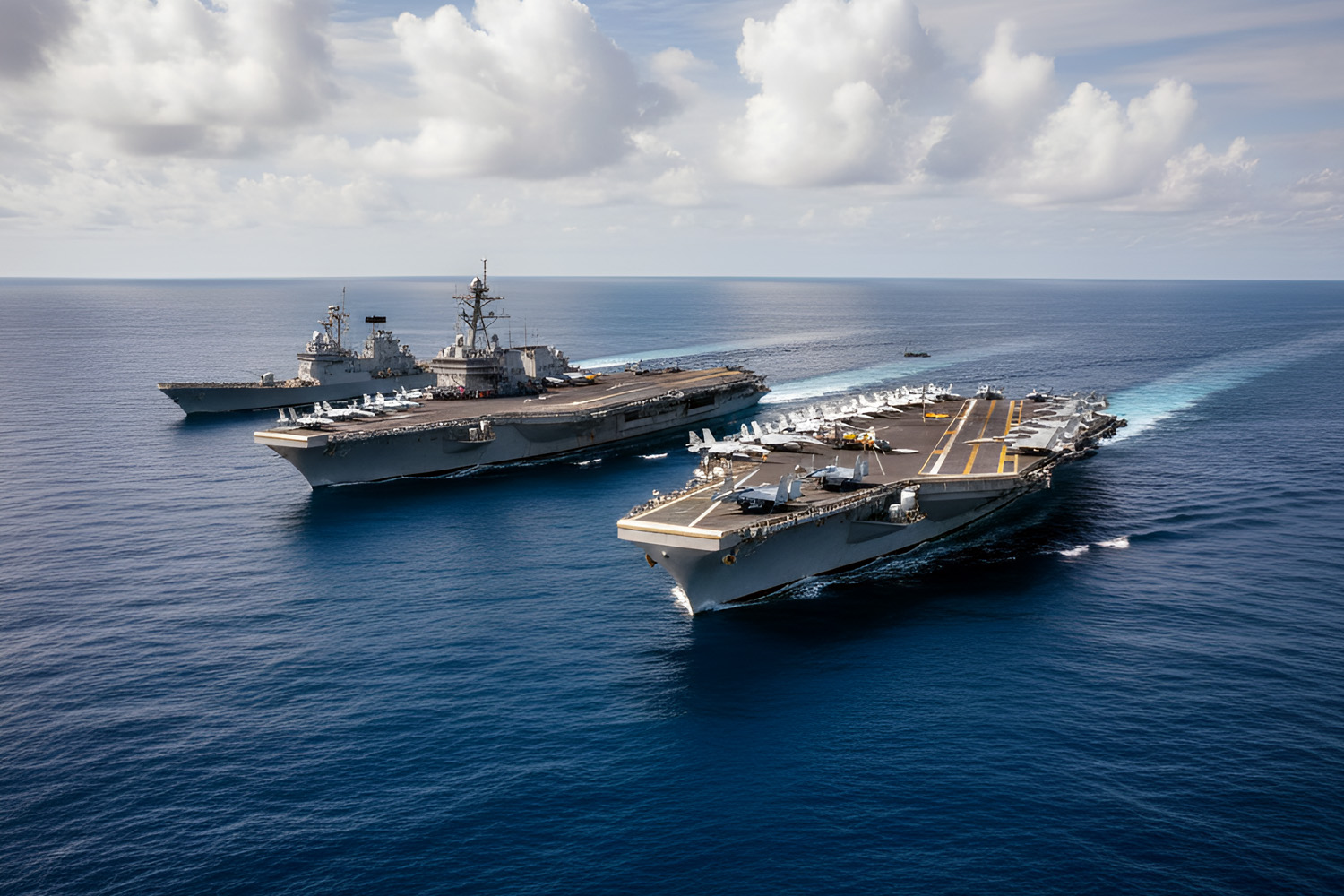
U.S. President Donald Trump has outlined an ambitious naval expansion strategy he calls the “Golden Fleet,” a vision to build a new generation of warships and support U.S. maritime strength. Speaking from his Mar-a-Lago resort on December 22, Trump highlighted plans for multiple classes of vessels — including new frigates and large surface combatants — as part of a broader effort to boost American naval capabilities and shipbuilding.
New Warships, Shipyards, and Industrial Partnerships
At a press conference, Trump noted that the U.S. Navy recently announced a new class of frigates and said the service will build them in cooperation with South Korea’s Hanwha Group, a major shipbuilder and defense contractor. The partnership includes a planned $5 billion investment by Hanwha in the Philadelphia shipyard, which was closed for decades before being acquired by the company in 2024. Trump described the yard’s reopening as part of a larger initiative to revitalize American shipbuilding infrastructure.
The investment and collaboration stem from a broader shipbuilding initiative involving strategic cooperation and industrial expansion, in some cases linked to agreements that reduce trade barriers and encourage defense industry investment in the United States. Hanwha’s Philadelphia facility is also positioning itself to build advanced naval vessels and potentially nuclear-powered submarines if national security requirements and certification processes are met.
Trump said, “Last week, the Navy announced a whole new class of frigates… They’re going to work with a South Korean company… $26 billion has been approved to build new ships, including destroyers and various types of ships,” emphasizing that the effort includes not only surface combatants but also a significant submarine construction program and expanded destroyer production.
Golden Fleet Vision
The “Golden Fleet” concept extends beyond traditional shipbuilding. Trump described plans for large, powerful surface combatants, sometimes referred to in commentary as “Trump-class” battleships, intended to feature advanced weapons and capabilities. The first of these vessels — often cited as the USS Defiant — would form part of a larger fleet envisioned to range from 20 to 25 advanced combatants designed for sustained sea power. Critics and analysts note that many of the technologies proposed for such ships (like hypersonic missiles, lasers, and nuclear-armed cruise missiles) are still in development or under evaluation in defense programs.
In addition to new surface combatants and frigates, Trump said the United States is building and expanding its submarine fleet, with roughly 15 submarines under construction or ready for deployment — a sign of sustained investment in undersea capabilities that are central to modern naval strategy.
Strategic and Economic Impacts
The announcement drew positive market reactions, with shares of Hanwha Ocean rising after news of the partnership with the U.S. Navy. Investors appear to see expanded naval contracting as a growth opportunity for defense industry players tied to the Golden Fleet initiative.
Supporters of the program argue that it strengthens U.S. maritime dominance, revitalizes domestic shipbuilding capacity, and reinforces strategic deterrence — particularly in regions where geopolitical competition is intensifying. Critics, however, emphasize the uncertainties around funding, technological feasibility, and long lead times for complex naval platforms, especially novel designs that depart from established classes of vessels such as destroyers or submarines.
Conclusion
President Trump’s Golden Fleet initiative represents a bold and expansive vision for the U.S. Navy’s future, combining traditional naval procurement with international partnerships, industrial revitalization, and high-profile shipbuilding projects. While many elements — including the full scope, timeline, and funding — will require further clarification and congressional approval, the announcement signals an elevated focus on maritime power and strategic competition going forward.