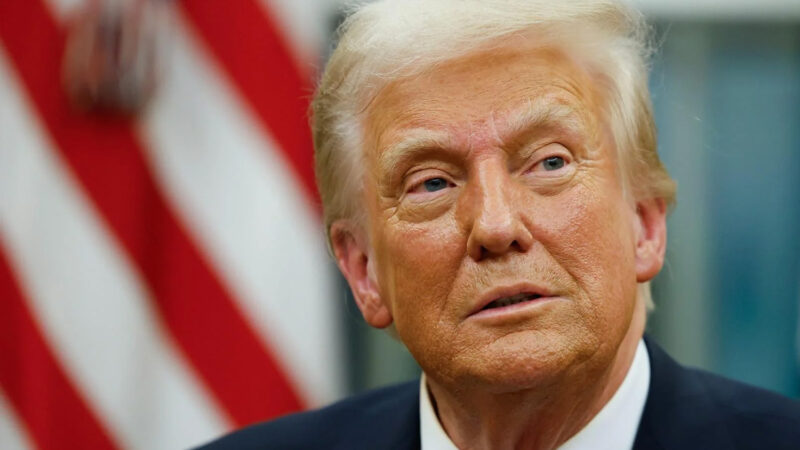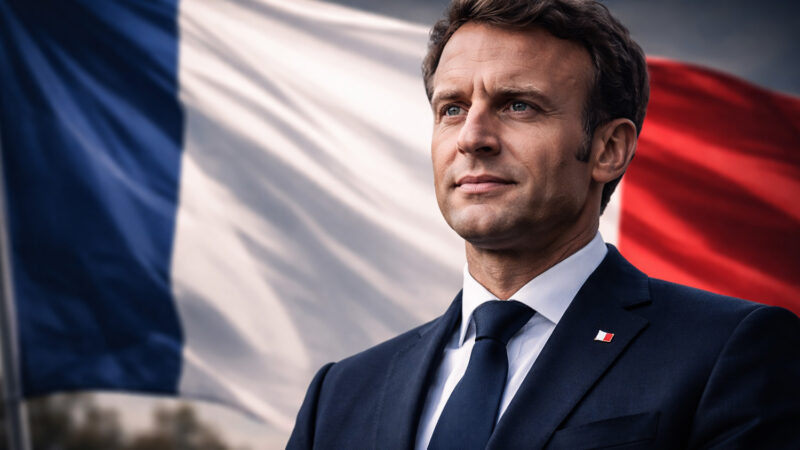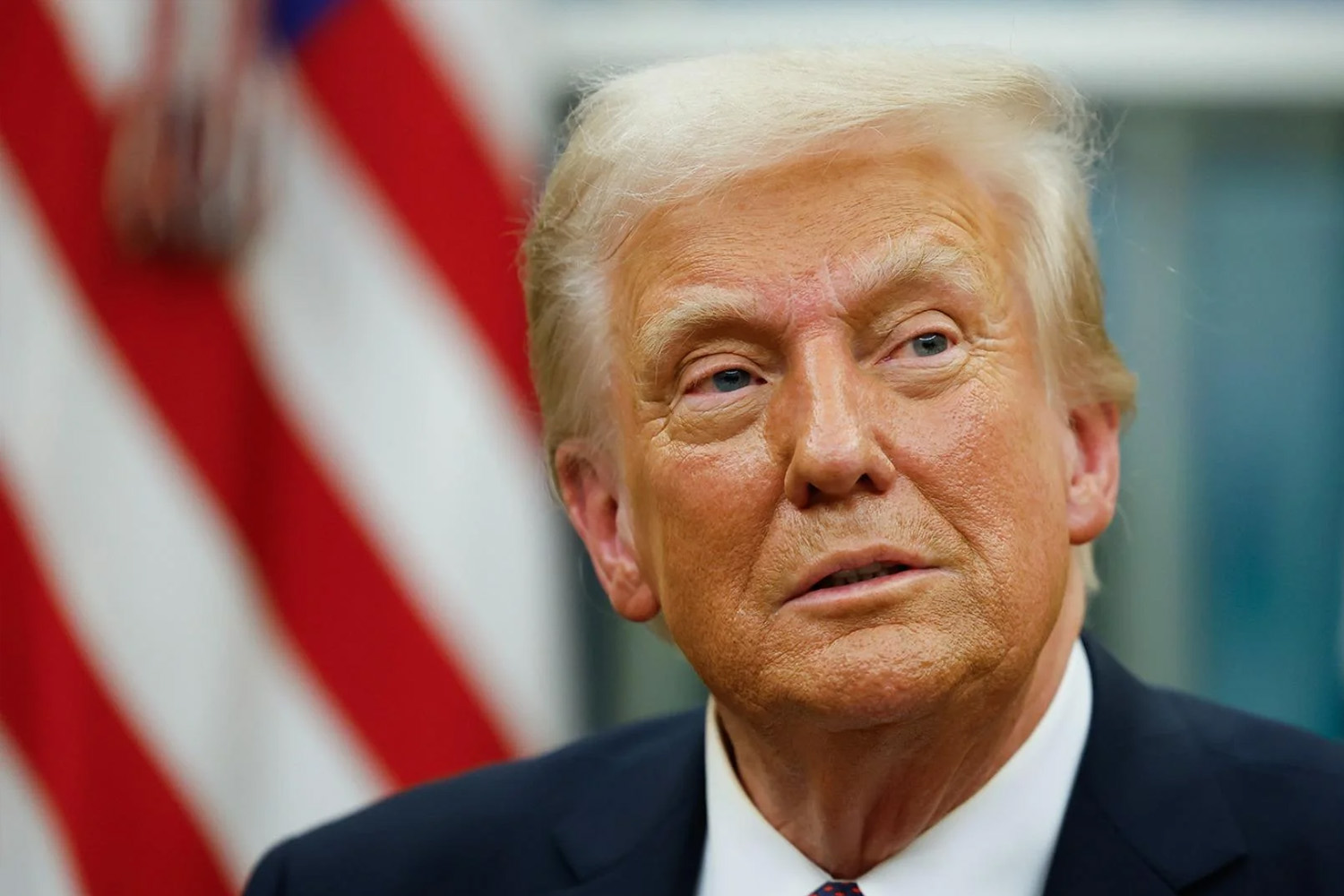
U.S. President Donald Trump has announced that he may impose a 200 percent tariff on French wines and champagne in response to French President **Emmanuel Macron’s reported refusal to join Trump’s proposed “Board of Peace” initiative. The remarks were made during a press exchange when Trump was asked about Macron’s stance on the proposal.
According to Trump, the steep tariff threat could serve as leverage to persuade Macron to reconsider his position. “I’ll put a 200 percent tariff on his wines and champagnes, and he’ll join, but he doesn’t have to join,” Trump said, dismissing Macron’s decision and commenting that the French leader would soon leave office.
Background: The Board of Peace Initiative
The so-called Board of Peace (also referred to in some reports as a “Peace Council”) is a global body proposed by the Trump administration to address major international conflicts. Draft documents seen by news agencies state that member countries would be required to contribute at least $1 billion to maintain membership beyond an initial three-year period, and that Trump would serve as the first chairman with significant influence over membership decisions.
France — a permanent member of the United Nations Security Council — has expressed reservations about the initiative, with officials saying the board’s mandate appears to extend beyond specific conflicts, such as Gaza, and could encroach on the role of established institutions like the UN. A source close to President Macron said France does not intend to accept the invitation at this stage.
International and Trade Implications
A 200 percent tariff on French wine and champagne — iconic French exports — would represent an unusually punitive measure and could have significant economic repercussions. The United States is a major market for French wine producers, and a tariff of this level could sharply increase prices for imported products, greatly reducing demand.
French officials have already characterized such threats as unacceptable economic coercion. France’s Minister of Agriculture described the tariff threat as “brutal” and warned that it targets a key sector of French agriculture and export trade. European Union representatives signaled that they would consider appropriate retaliatory measures if punitive tariffs were implemented.
Diplomatic Reactions and Broader Context
European governments have generally responded cautiously but firmly to the tariff threat. French leaders emphasize maintaining transatlantic cooperation and underscore that trade disputes should not be used to extract political concessions. Officials in Brussels and Paris have also highlighted that the initiative could undermine the role of existing multilateral institutions if pursued through economic pressure rather than diplomacy.
While the proposal remains at the level of a threat rather than formal policy implementation, the exchange underscores ongoing tensions between the United States and key European allies over foreign policy and economic strategy. How this threat — and potential countermeasures — will unfold remains a subject of international attention.