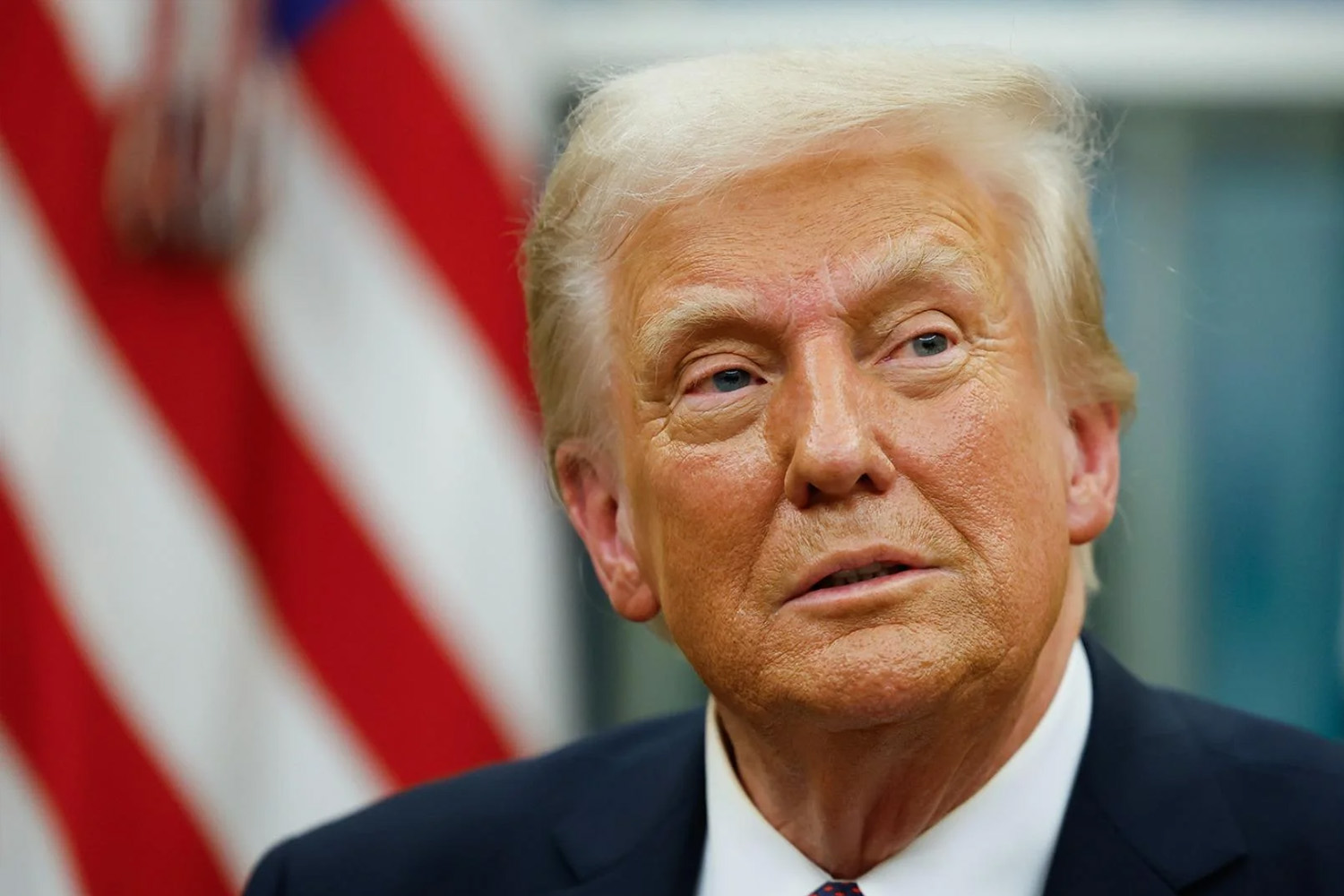
On Friday, November 14, 2025, U.S. President Donald Trump unexpectedly announced the removal of import tariffs on more than 200 food products, including staple items like coffee, beef, bananas, and orange juice.
The rollback took effect retroactively at midnight, according to the White House. The move represents a dramatic reversal of Trump’s previous tariff strategy — he had long maintained that his sweeping import duties did not contribute to inflation.
Trump acknowledged that some tariffs “may in some cases” raise prices, but he continued to insist that overall inflation remains “virtually zero.”
Why the Shift?
- Affordability pressure: The rollback comes amid mounting public frustration over rising grocery costs.
- Political risk: Democrats recently won key state and local elections (e.g., in Virginia and New York), where cost-of-living concerns were central.
- Trade deals: The exemptions follow new framework trade agreements with countries like Argentina, Ecuador, Guatemala, and El Salvador, aimed at easing duties on goods the U.S. doesn’t produce domestically.
Economic Impact
- According to Consumer Price Index data, ground beef prices rose nearly 13% year-over-year, and steak prices jumped ~17%.
- Other items on the exemption list include a wide variety of foods and even non-food goods — from oranges, cocoa, paprika, and acai berries to fertilizers and communion wafers.
- The Food Industry Association welcomed the change, saying it could help consumers and manufacturers alike.
Political Reactions
- Critics’ view: Some Democrats argue that Trump is reversing policies he himself introduced, admitting the tariffs have hurt everyday Americans.
- Tariff revenue plan: Trump also floated a plan to use the revenue from existing tariffs to fund a $2,000 dividend to lower- and middle-income Americans, while also reducing the national debt.
- Industry response: While many industry groups cheered the exemptions, others expressed frustration over the exclusion of certain sectors.
Broader Implications
This policy shift underscores how economic and political pressure—particularly on everyday inflation—can reshuffle even long-standing trade strategies. By targeting widely consumed imports, the administration is attempting to deliver immediate relief to consumers while balancing broader strategic goals in trade.