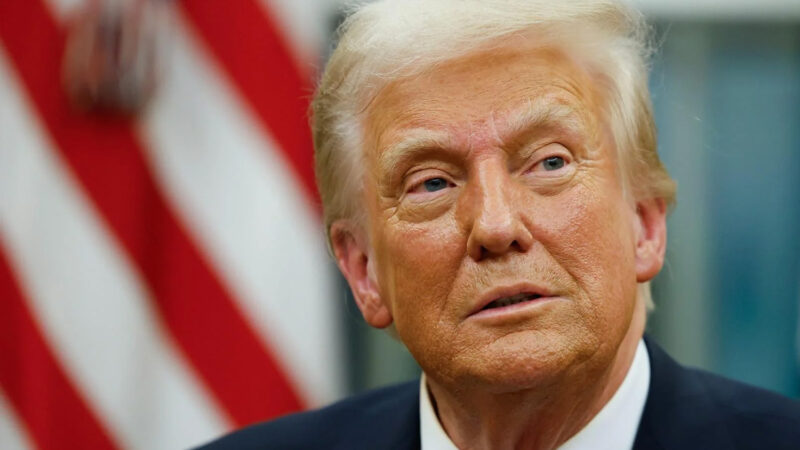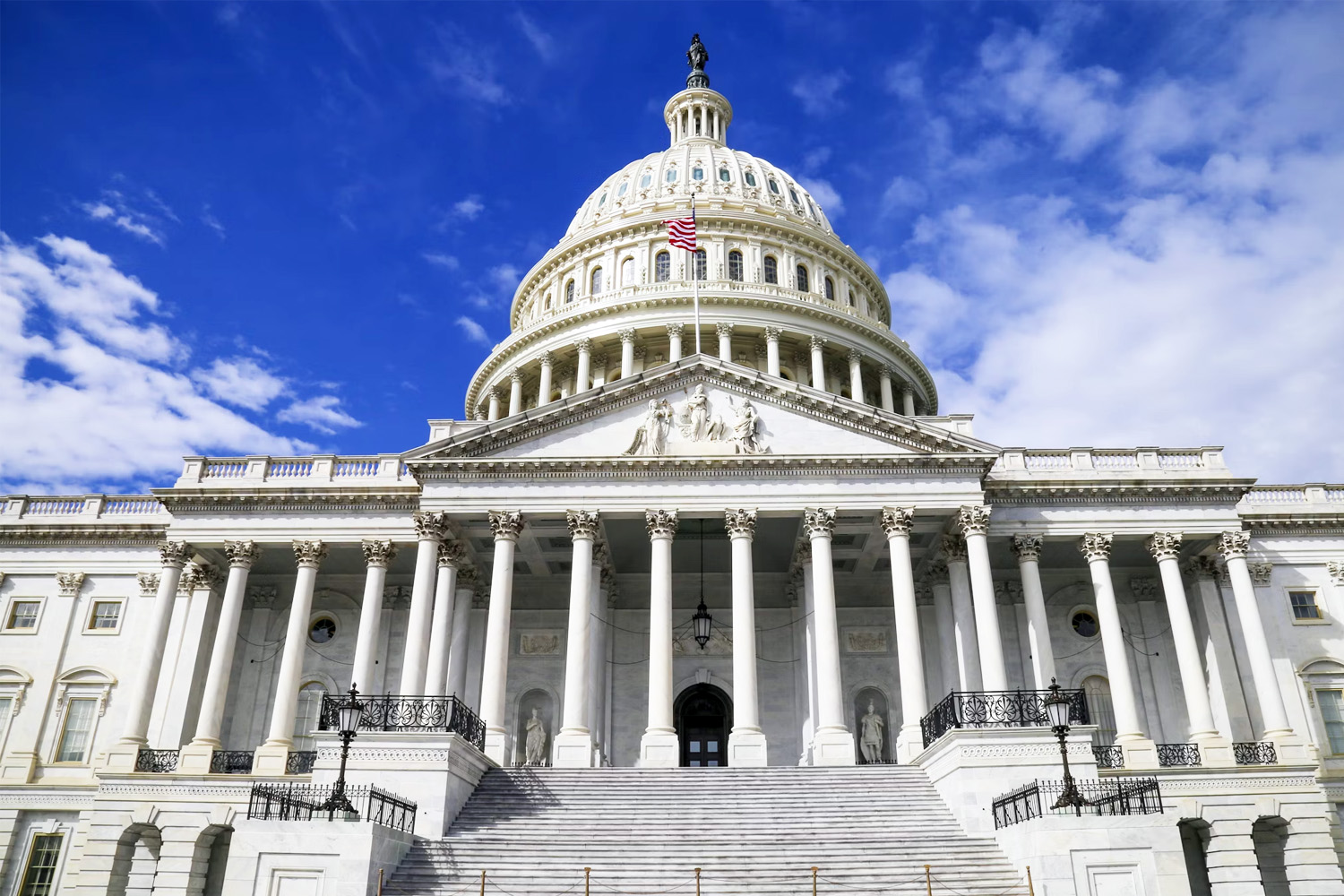
On the evening of November 12, 2025, President Donald Trump formally signed into law a federal spending bill that officially ended the longest government shutdown in U.S. history.
What happened
The shutdown began on October 1, 2025, when Congress failed to approve the full set of annual appropriations bills or a continuing resolution to fund the federal government. The impasse resulted in a 43-day lapse of many non-essential federal operations and placed significant strain on agencies and federal employees.
Key provisions of the deal
- The legislation funds the government through January 30, 2026, allowing full-year appropriations for certain agencies such as the Department of Agriculture, military construction and veterans affairs, and the legislative branch.
- It restores back pay for hundreds of thousands of federal workers who were furloughed or worked without pay during the shutdown.
- Food-assistance programs (such as the Supplemental Nutrition Assistance Program, SNAP) are funded again, lifting interruption risks that many American families faced during the stalemate.
Political dynamics and reaction
In his signing ceremony, President Trump blamed the shutdown on the Democratic Party’s unwillingness to compromise, and proclaimed that “the country has never been in such good shape.” The President described the legislation as “an incredible bill to get our country back to work.”
The House of Representatives passed the measure by a 222-209 vote, largely along party lines, with only one or a handful of Democrats joining Republicans.
While Republicans hailed the outcome as a victory, some Democrats highlighted the fact that one of their top priorities — extension of enhanced subsidies under the Affordable Care Act health-insurance marketplace — was not included and remains unresolved.
Remaining issues and outlook
Though the shutdown is over, full restoration of government services may take time – especially in areas such as air-travel operations, which saw disruptions during the funding lapse.
Moreover, the health-insurance subsidy debate remains open. House and Senate Democrats are still pushing for an extension of the ACA subsidies; Republicans have signalled that issue will be handled separately.
For now, federal agencies can return to normal operations, and federal employees will receive their owed compensation. The hope is that the coming months will see a smoother budget process and fewer funding-crisis showdowns.
Why it matters
- A government shutdown of this length undermines trust in public institutions and disrupts services relied on by millions of Americans.
- The resolution restores pay and confidence for federal workers, who had gone without wages or were subject to furloughs.
- The deal highlights the continuing budgetary and policy tensions in Washington — particularly over healthcare, social-assistance programs and partisan bargaining strategies.
In sum, the signing of this spending bill marks a relief from weeks of federal disruption, but it also underscores that key policy debates remain unsettled. The federal government is back in operation ― and the political dynamics that led to the shutdown are far from resolved.