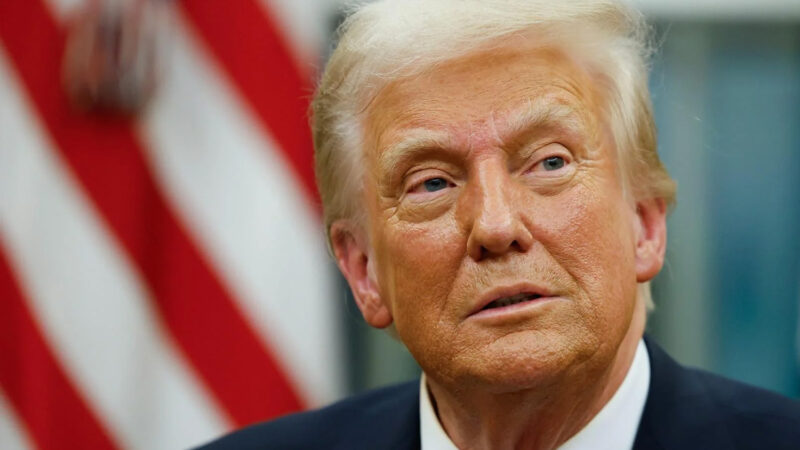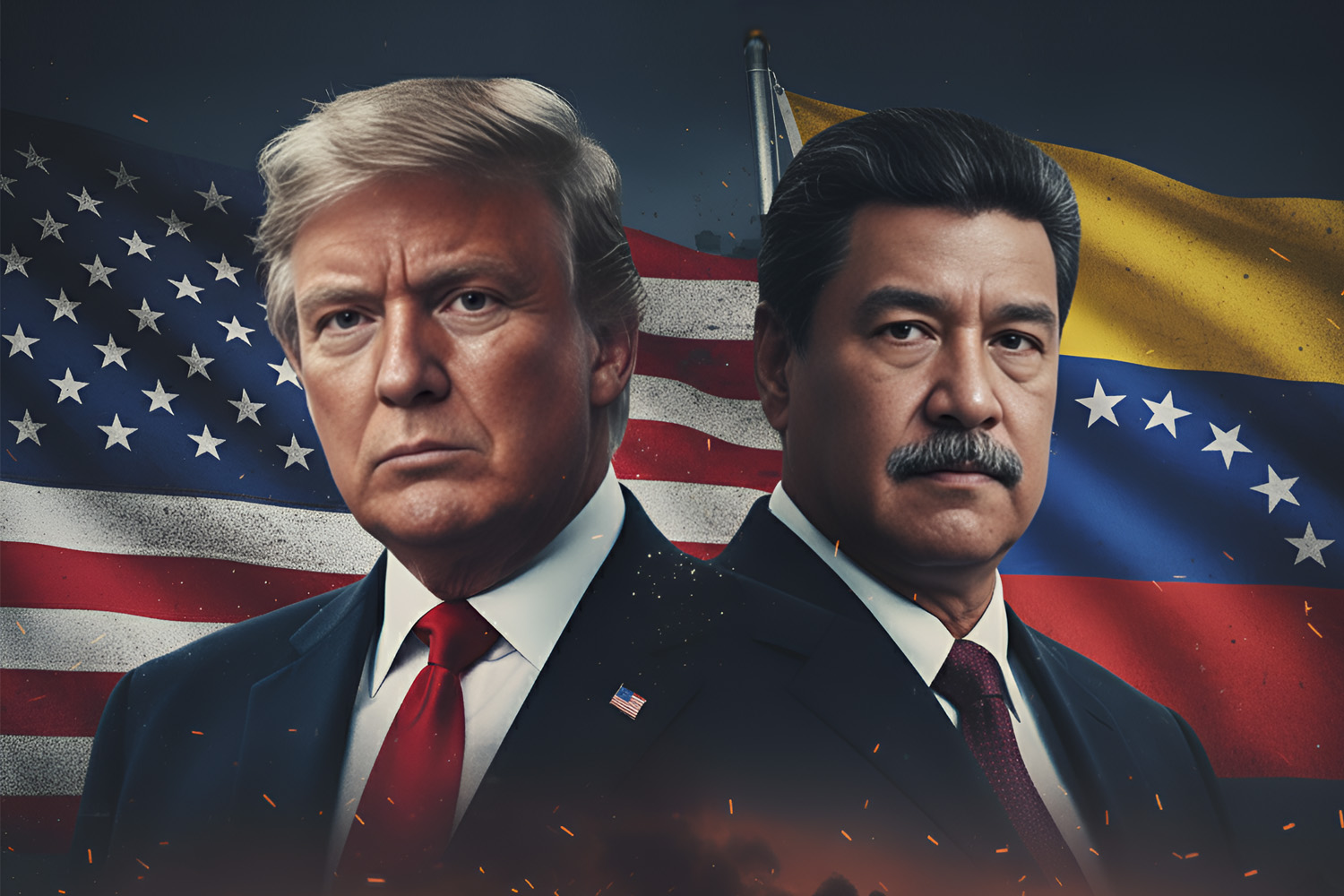
In a striking turn in U.S.–Venezuela relations, President Donald Trump announced that the United States may open dialogue with Venezuelan President Nicolás Maduro, even as Washington intensifies its military campaign against “narco-terrorists.”
The comments came after a series of deadly U.S. military strikes on vessels in international waters, which the Trump administration alleges were operated by drug-trafficking organizations tied to Venezuela. One such strike on September 2, 2025, killed 11 people aboard a speedboat that Trump said belonged to members of the Tren de Aragua gang, a group the U.S. has designated as a terrorist organization.
Military Pressure and Wider Strategy
- The U.S. has deployed a naval force to the southern Caribbean, including the aircraft carrier USS Gerald R. Ford, as part of a broader counternarcotics push dubbed Operation Southern Spear.
- Defense Secretary Pete Hegseth has warned that more strikes could follow, saying anyone tied to “designated narco-terrorists” will “face the same fate.”
- According to reports, Trump has considered expanding the campaign to land operations in Venezuela — though officials suggest these could target clandestine airstrips or cartel encampments, rather than an all-out invasion.
Maduro Responds: Denial and Offers Dialogue
- Nicolás Maduro has strongly denied U.S. accusations. He calls the campaign a “fabricated war,” and says the United States is using it to “destabilize” his government.
- After one of the U.S. strikes, Maduro reportedly sent a letter to Trump (via special envoy Richard Grenell), denying any narco-trafficking involvement and formally proposing “a direct and frank conversation.”
- At the same time, Maduro has vowed to defend Venezuela, calling for maximum readiness amid what he calls U.S. aggression.
Legal and Geopolitical Implications
The escalation raises serious international law concerns. Critics argue that the U.S. strikes—carried out without clear consent from Venezuelan authorities—may amount to extrajudicial use of force. Some analysts warn that the U.S. is reframing narco-cartels as a national security threat, borrowing from its “war on terror” playbook.
Yet, despite the harsh rhetoric and military buildup, the possibility of diplomatic talks suggests a more complex strategy: applying force while keeping the door open to engagement. As Trump put it, “I’ll talk to anybody … we’ll see what happens.”