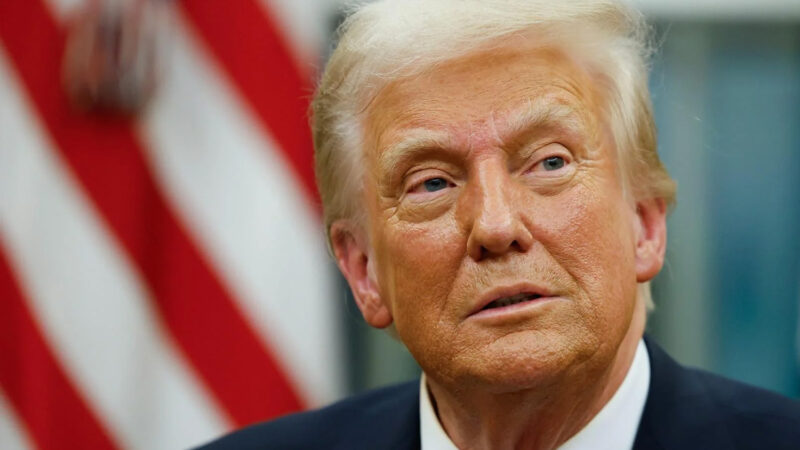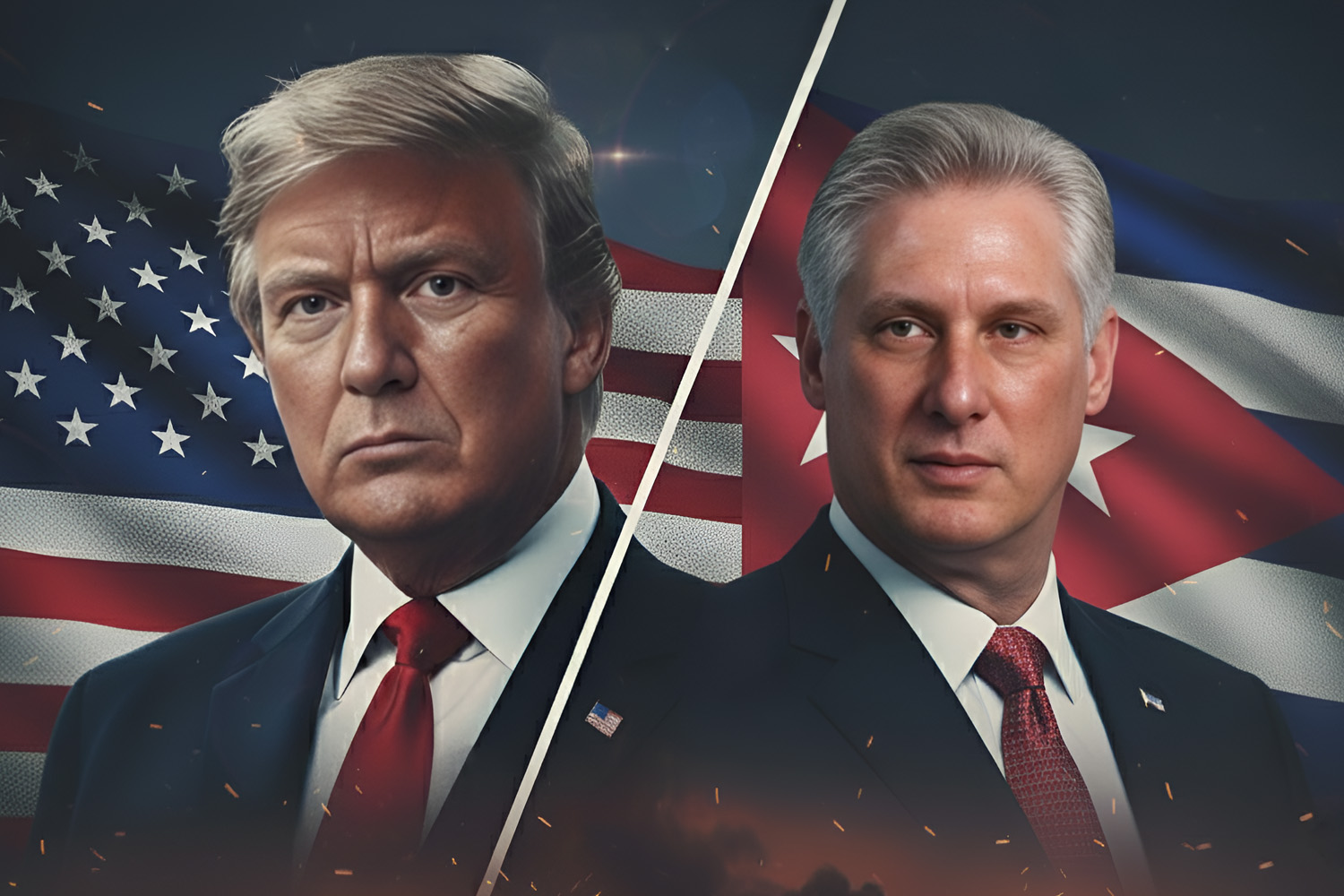
Updated January 2026 — U.S. President Donald Trump has intensified pressure on Cuba, declaring that Cuba will no longer receive Venezuelan oil or financial support, a longstanding economic lifeline for the Caribbean island. Trump’s comments, made on his social media platform Truth Social, come in the aftermath of dramatic developments in Venezuela that have shifted geopolitical dynamics in the region.
Trump wrote:
“Cuba lived, for many years, on large amounts of OIL and MONEY from Venezuela. In return, Cuba provided ‘security services’ for the last two Venezuelan dictators, BUT NOT ANYMORE!… THERE WILL BE NO MORE OIL OR MONEY GOING TO CUBA — ZERO! I strongly suggest they make a deal, BEFORE IT IS TOO LATE.”
The U.S. leader linked this ultimatum to recent U.S. actions in Venezuela, where Venezuelan President Nicolás Maduro was captured in a U.S. military operation earlier this month, drastically disrupting the Maduro government’s security apparatus and oil exports. Trump claimed that many Cuban security personnel embedded in Venezuela were killed during that operation, and asserted the United States will now “protect” Venezuela.
Background: Cuba–Venezuela Oil Ties
For decades, Venezuela has been one of Cuba’s most important economic partners, supplying heavily subsidized crude oil that helped sustain the island’s energy grid and economy. Cuban leaders in return provided various forms of support — including personnel embedded in Venezuelan security units — strengthening the political alliance between Havana and Caracas under leaders like Hugo Chávez and Nicolás Maduro.
Trump’s recent statements mark a significant shift in U.S. policy toward Cuba, effectively severing that economic relationship by leveraging the U.S. military’s control over Venezuelan oil infrastructure post-Maduro capture.
Cuba’s Response: Sovereignty and Defiance
Cuban officials have strongly rebuffed Trump’s remarks. President Miguel Díaz-Canel underscored Cuba’s sovereignty and rejected the notion that Havana would bow to U.S. pressure. Cuban leaders have also denied receiving direct compensation in return for security services, asserting that Havana has the right to conduct its own foreign relations and import fuel from any willing suppliers.
Foreign Minister Bruno Rodríguez described U.S. actions as coercive and unjust, emphasizing that Cuba’s reliance on Venezuelan oil stemmed from economic necessity under longstanding U.S. sanctions. Rodríguez has framed Washington’s approach as a threat to peace and stability in the Western Hemisphere.
Regional Reactions and Broader Context
The impact of the U.S. policy shift extends beyond Havana. The Venezuelan government — which historically maintained close ties with Cuba — has reaffirmed its commitment to bilateral cooperation and called for political dialogue with the United States despite mounting tensions. Caracas described Trump’s ultimatum as an interference in sovereign affairs and reiterated the longstanding bonds of solidarity between Venezuela and Cuba.
Mexico has also emerged as a key alternative source of oil for Cuba as Caracas’ ability to supply fuel has been disrupted, though deliveries from Mexico remain limited relative to past Venezuelan shipments.
Implications for Cuba’s Economy and Stability
Cuba’s economy has faced severe challenges for years, including frequent blackouts, shortages of fuel and staples, and limited foreign currency reserves. Cutting off Venezuelan oil threatens to worsen these conditions at a time when the island is already strained under economic pressure. Experts warn that sustained interruption of Venezuelan support could exacerbate social and economic hardship for ordinary Cubans.
While Trump has not spelled out specific consequences beyond urging a “deal,” his administration’s hardened stance on Cuba reflects a broader assertiveness in U.S. foreign policy in Latin America, particularly in the wake of the change in Venezuela’s leadership and the broader geopolitical shifts that have followed.
What Comes Next
The situation remains fluid as Washington’s demands and Havana’s defiant response play out on the diplomatic stage. Key questions revolve around:
- Whether Cuba will negotiate directly with the U.S. or seek alternative alliances
- How significantly Cuban energy supplies and public services will be affected
- The international response to escalating tensions in the region
As these developments unfold, analysts will continue to monitor the broader implications for regional stability, bilateral relations, and Cuba’s future economic prospects.